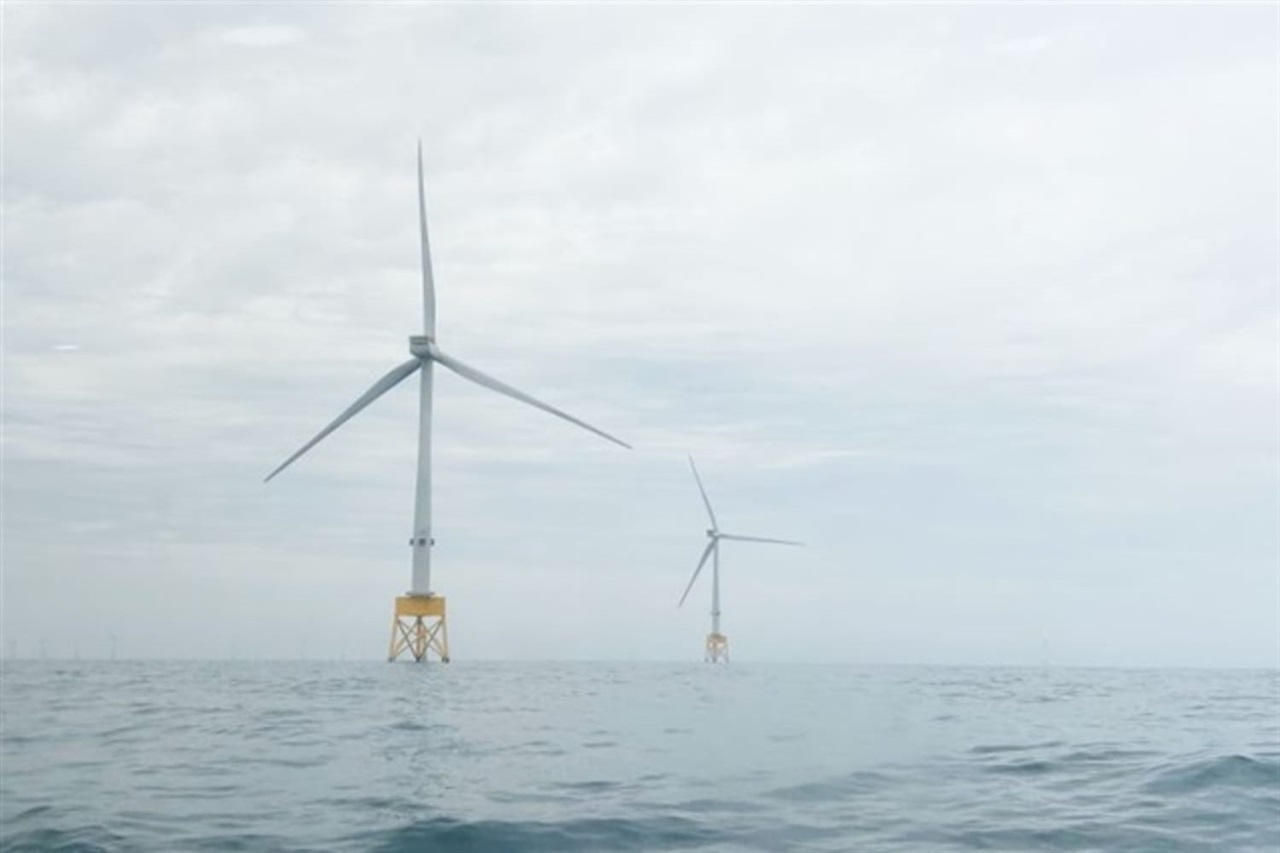
Un Traguardo Finanziario per l'Eolico Offshore di Taiwan
Il progetto Formosa 2, un'iniziativa chiave nel panorama energetico di Taiwan, ha recentemente completato un'importante operazione di rifinanziamento, assicurandosi un capitale di 58,9 miliardi di dollari taiwanesi. Questo evento non è solo una notizia finanziaria di rilievo, ma rappresenta anche un indicatore significativo della crescente maturità e stabilità del settore eolico offshore dell'isola. Il rifinanziamento di progetti di tale portata è un segnale positivo per gli investitori e per il futuro delle energie rinnovabili.
Operazioni di questa natura sono cruciali per la sostenibilità a lungo termine delle infrastrutture energetiche. Consentono di ottimizzare la struttura del capitale, ridurre i costi di finanziamento e liberare risorse per ulteriori investimenti o per migliorare la redditività del progetto. Per un'economia in rapida crescita come quella di Taiwan, l'accesso a fonti energetiche pulite e affidabili è fondamentale per supportare lo sviluppo industriale e tecnicico.
Il Progetto Formosa 2 e il Contesto Energetico
Formosa 2 è un impianto eolico offshore di considerevoli dimensioni, parte integrante della strategia di Taiwan per la transizione energetica. Questi progetti richiedono investimenti iniziali massicci e una pianificazione complessa, che include studi ambientali, ingegneria marittima e l'installazione di turbine in ambienti spesso impegnativi. Il successo del rifinanziamento dimostra la capacità del consorzio dietro Formosa 2 di gestire efficacemente tali complessità e di attrarre fiducia dal mercato finanziario globale.
La realizzazione di infrastrutture energetiche su larga scala, come Formosa 2, ha implicazioni che vanno oltre la semplice produzione di energia. Contribuisce alla creazione di posti di lavoro, allo sviluppo di competenze locali nel settore delle energie rinnovabili e al rafforzamento della catena di approvvigionamento. Questi elementi sono essenziali per costruire un'economia più resiliente e meno dipendente dalle fonti fossili, in linea con gli obiettivi globali di decarbonizzazione.
Implicazioni per il Mercato e gli Investimenti in Infrastrutture
Il rifinanziamento di Formosa 2 è un chiaro segnale della fiducia degli investitori nel potenziale di crescita dell'eolico offshore a Taiwan e, per estensione, in Asia. La "maturità" del mercato, come indicato dalla notizia, si riferisce alla capacità del settore di attrarre capitali a condizioni più favorevoli, grazie a una maggiore prevedibilità dei ricavi, a una riduzione dei rischi percepiti e a un framework normativo più stabile. Questo rende tali progetti più attraenti per un'ampia gamma di investitori istituzionali.
Per chi valuta investimenti in infrastrutture complesse, sia nel settore energetico che in altri ambiti tecnicici, il caso di Formosa 2 offre spunti importanti. La capacità di un progetto di ottenere rifinanziamenti a condizioni vantaggiose è spesso legata alla sua solidità operativa, alla sua conformità con gli standard ambientali e sociali, e alla sua capacità di generare flussi di cassa stabili nel tempo. Questi fattori sono cruciali per il Total Cost of Ownership (TCO) e la valutazione del rischio a lungo termine.
Prospettive Future per l'Energia Rinnovabile
Il successo del rifinanziamento di Formosa 2 rafforza la posizione di Taiwan come leader emergente nell'eolico offshore in Asia. Questo precedente potrebbe incoraggiare ulteriori investimenti e lo sviluppo di nuovi progetti, accelerando la transizione energetica della regione. La stabilità finanziaria raggiunta da Formosa 2 serve da modello per future iniziative, dimostrando che le infrastrutture per le energie rinnovabili possono essere non solo ecologicamente sostenibili, ma anche finanziariamente solide.
In un contesto globale che vede una crescente domanda di energia pulita e una spinta verso la decarbonizzazione, la capacità di finanziare e rifinanziare efficacemente progetti su larga scala è fondamentale. L'esperienza di Formosa 2 evidenzia come la collaborazione tra sviluppatori, istituzioni finanziarie e governi sia essenziale per sbloccare il potenziale delle energie rinnovabili e costruire un futuro energetico più sostenibile.




💬 Commenti (0)
🔒 Accedi o registrati per commentare gli articoli.
Nessun commento ancora. Sii il primo a commentare!