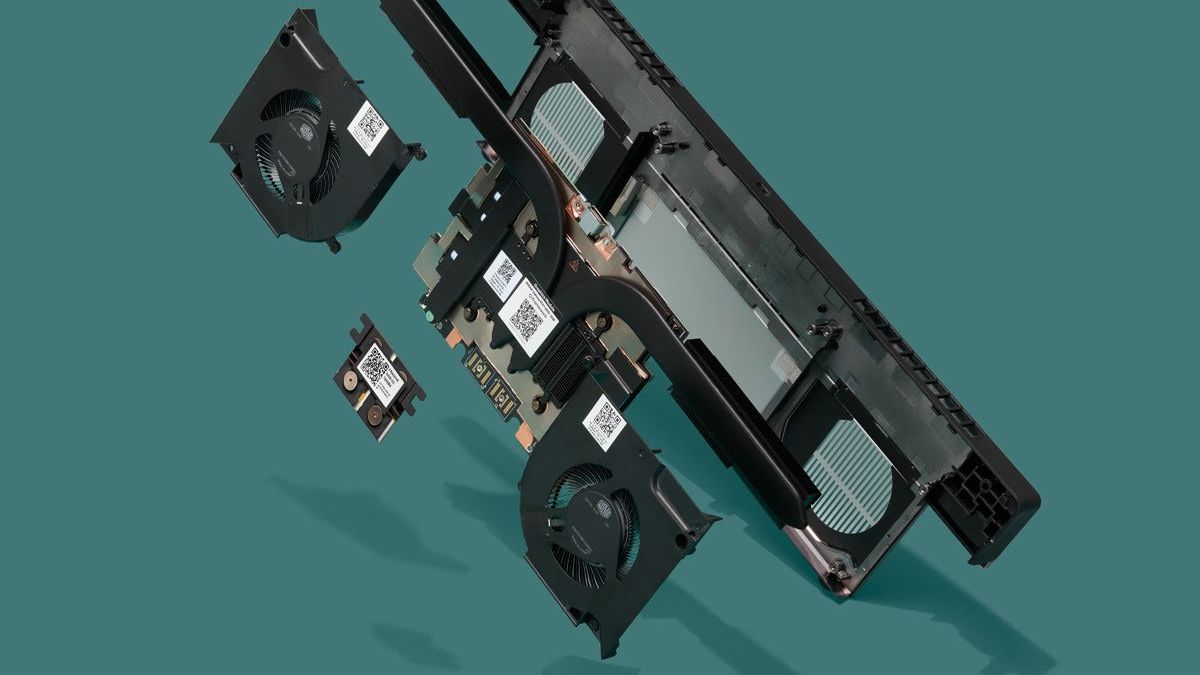
Framework's New RTX 5070 12GB Graphics Module: A Cost Analysis
Framework, known for its modular hardware approach, has recently introduced a new graphics module based on the RTX 5070 GPU, equipped with 12GB of VRAM. This component, designed to offer upgrade options for its systems, has been launched with a price of $1,199. The introduction of new hardware options is always a significant moment for users seeking flexibility and longevity from their devices, especially in an era where planned obsolescence is a growing concern.
The price of this module has sparked discussion, as it represents a 72% increase compared to a previous 8GB version, which was available for $699. The company promptly clarified that the final price determination is influenced by factors beyond its direct control. This statement underscores the complexities and pressures that hardware manufacturers face in the current economic climate, including component costs, supply chain dynamics, and global market fluctuations.
Technical Details and Implications for AI Workloads
The RTX 5070 module with 12GB of VRAM positions itself as an interesting option for various applications, including workloads related to LLMs and Inference. The amount of available VRAM is a critical factor for running large language models, as it determines the maximum model size that can be loaded, the precision of calculations (e.g., FP16 versus INT8 via Quantization), and the manageable batch size. An increase in VRAM, such as that offered by this new version, can translate into greater processing capacity and better handling of more complex models.
The comparison with the 8GB version highlights a significant trade-off between cost and capability. While the 8GB version might have been sufficient for smaller models or less intensive tasks, the 12GB of the new module opens the door to more demanding usage scenarios. For companies considering the Deployment of LLMs on-premise, the choice of GPU and its VRAM is fundamental for optimizing Throughput and minimizing Latency, balancing the initial investment with desired performance.
Market Context and TCO Considerations
Framework's statement regarding external factors influencing the module's price reflects a common reality in the technology sector. Chip production costs, supply chain disruptions, and global demand for high-performance components contribute to a volatile pricing environment. For CTOs and DevOps leads, these dynamics have a direct impact on the Total Cost of Ownership (TCO) of self-hosted AI infrastructures.
A higher initial hardware cost can increase CapEx, but an upgradable module can also extend the useful life of existing hardware, potentially reducing long-term TCO compared to complete system replacements. Evaluating these trade-offs is crucial for investment decisions, especially when considering air-gapped environments or data sovereignty requirements, where cloud solutions might not be a viable option.
Prospects for On-Premise Deployments
The offering of upgradable graphics modules like the RTX 5070 12GB aligns well with the philosophy of on-premise deployments, where control over hardware and the ability to adapt infrastructure to specific needs are priorities. For organizations prioritizing data sovereignty and compliance, investing in modular hardware allows for building and maintaining a robust and performant local infrastructure for AI workloads.
However, the decision to adopt or upgrade such modules requires careful cost-benefit analysis. While increased VRAM offers undeniable advantages for running LLMs, the higher price must be justified by operational needs and return on investment. AI-RADAR offers analytical frameworks on /llm-onpremise to evaluate these trade-offs, helping decision-makers compare self-hosted options with cloud alternatives, considering factors such as performance, security, and TCO.








💬 Comments (0)
🔒 Log in or register to comment on articles.
No comments yet. Be the first to comment!