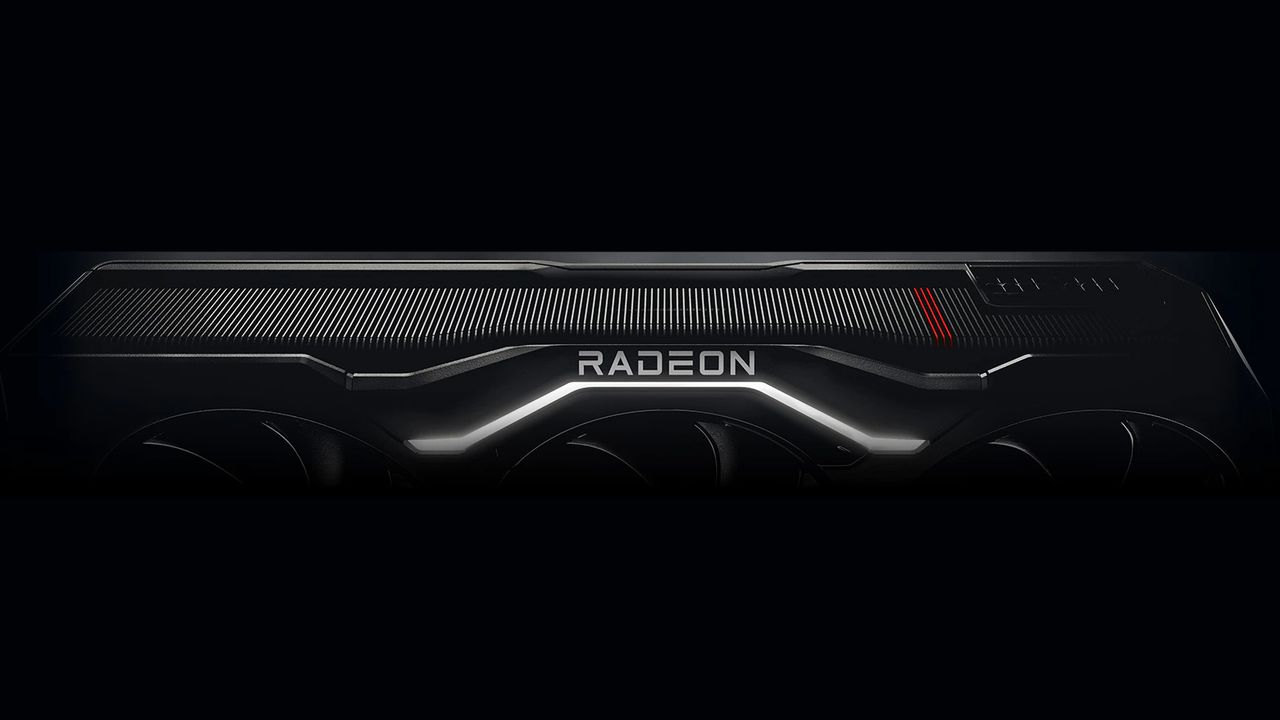
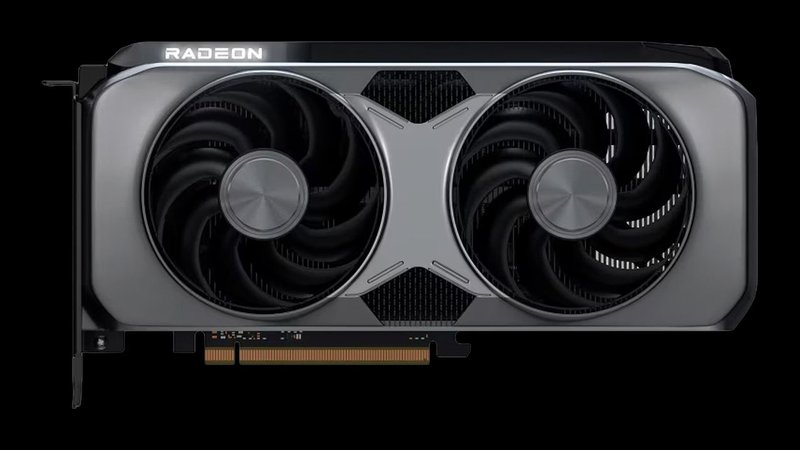
The news came through a gaming lens: AMD formally brought FSR 4.1 support to Radeon RX 7000 GPUs, activating the INT8 execution path in over 300 titles and preparing RDNA 3 APUs for a similar update. For anyone tracking hardware evolution with an eye on local AI, however, the development feels familiar — it showcases how efficiently this silicon can handle low‑precision inference workloads.
FSR 4.1 and INT8: the hardware story inside RDNA 3
RDNA 3 packs specialized compute units that process 8‑bit integer operations at high throughput. In the world of Large Language Models, INT8 quantization is a go‑to technique to shrink VRAM footprints and accelerate matrix multiplications, letting billion‑parameter models run on consumer hardware without collapsing into unusable latencies. By shipping an INT8 path for its upscaling technology, AMD has implicitly certified that its gaming GPUs can tackle the same computational patterns that make on‑premise LLM inference feasible.
When rendering unlocks local inference
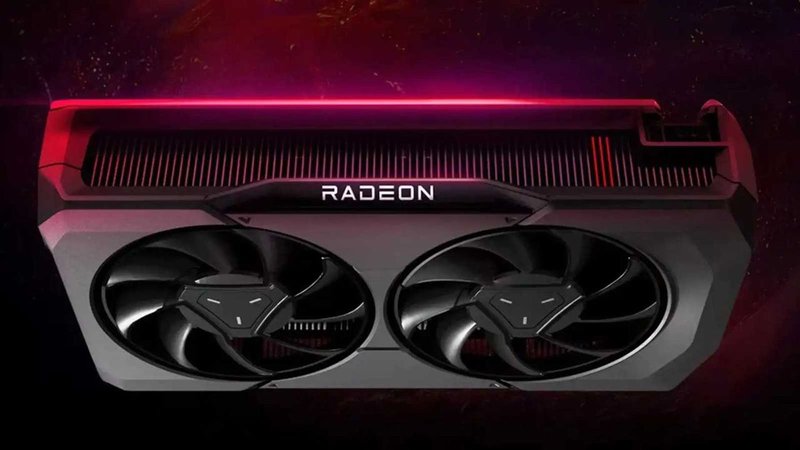
FSR 4.1 relies on a machine‑learning upscaler; the INT8 variant makes reconstruction faster and less resource‑hungry with no perceptible loss in visual quality. For teams running self‑hosted pipelines, the real‑world implication is direct: a Radeon RX 7900 XT (20 GB VRAM) or its XTX sibling (24 GB) can serve as proof‑of‑concept platforms for serving quantized models, possibly even in air‑gapped setups. Exact tokens‑per‑second figures still need measurement, but the signal is clear — hardware is no longer the dogmatic bottleneck it appeared just a few years ago.
Sovereignty, TCO, and the RX 7000 factor
On the Total Cost of Ownership front, RX 7000 cards are priced well below professional NVIDIA counterparts and come with no artificial compute‑capability locks, a meaningful nuance when license renewals can bite. For deployments bound by GDPR or similar data‑residency rules, the ability to keep inference entirely on physically controlled machines, using GPUs bought through standard consumer channels, shifts the CapEx/OpEx balance toward guarded do‑it‑yourself. Real‑world constraints persist: the lack of NVLink and a software ecosystem (ROCm) that, while growing, does not yet match CUDA maturity — these factors demand careful evaluation of serving frameworks and orchestration layers.
Outlook: distributed AI arrives on consumer silicon
AMD’s gaming update reinforces a broader trend: the democratization of AI computing will not be limited to dedicated accelerators but will leak into mass‑market silicon as low‑precision workloads become the default. It is certainly not the time to shelve professional GPUs or pretend that mission‑critical inference can rely entirely on gaming cards, but the trajectory flagged by FSR 4.1’s INT8 path is a powerful signal. For those drafting the next iteration of a local stack, watching what happens on the gaming side may already reveal which domestically available hardware is ready to shoulder a reasonable LLM workload.






💬 Comments (0)
🔒 Log in or register to comment on articles.
No comments yet. Be the first to comment!