Introduction
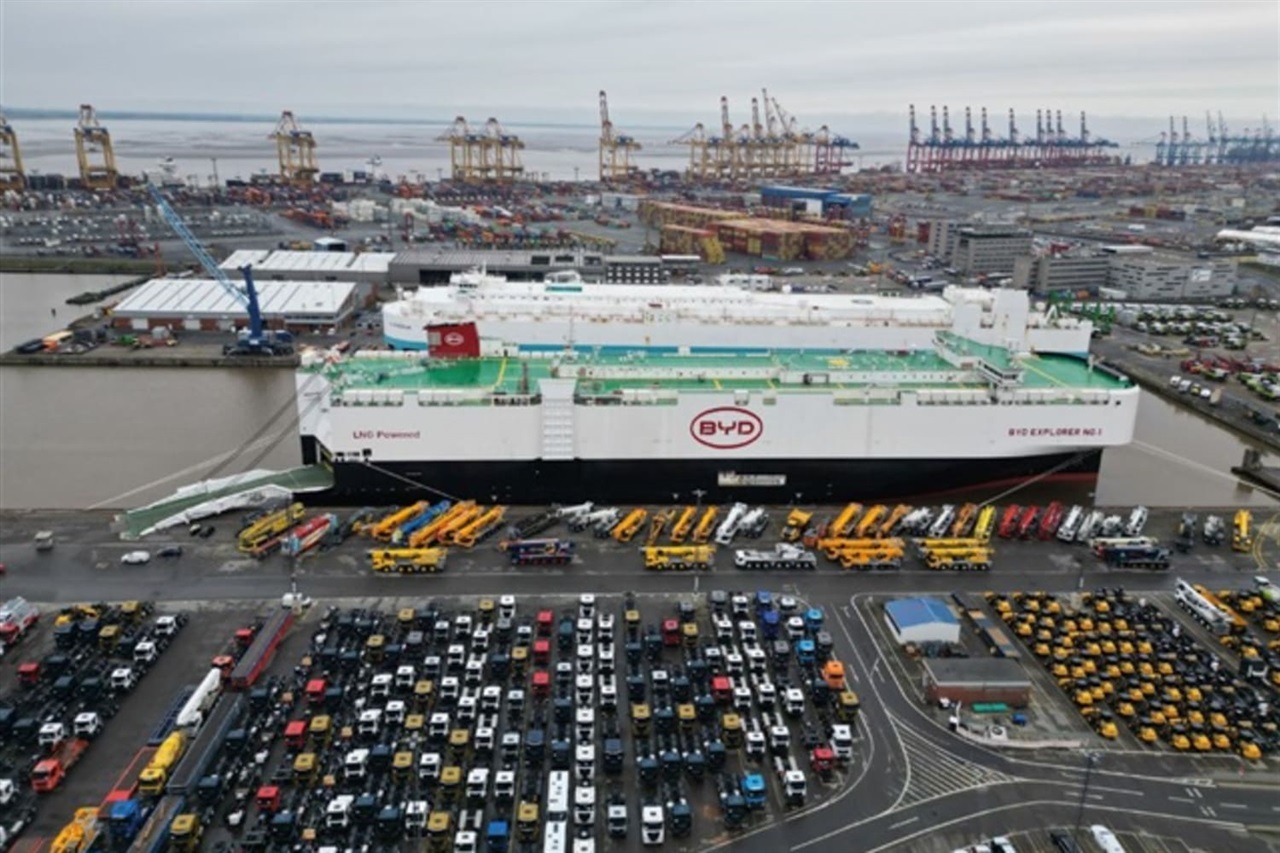
Geopolitical dynamics are reshaping corporate strategies globally, with repercussions extending far beyond traditional sectors. A striking example emerges from the Chinese automotive industry, where manufacturers are implementing significant changes to their supply chains to circumvent trade barriers imposed by the United States. This proactive approach, aimed at ensuring operational continuity and market access, offers a lens through which to analyze the challenges also facing the technology sector, particularly concerning the development and deployment of artificial intelligence solutions.
A company's ability to innovate and compete is increasingly linked to the stability and flexibility of its supply chain. For CTOs and infrastructure architects, understanding these dynamics is crucial for planning long-term investments in hardware and software, especially when it comes to building robust and resilient AI infrastructures, often with a focus on self-hosted deployments.
The Dynamics of Global Supply Chains
Trade tensions and protectionist policies compel companies to reconsider the sourcing of critical components. In the technology context, this translates into increased attention to the origin of advanced semiconductors, GPUs, and other essential elements for training and Inference of Large Language Models (LLMs). Dependence on a limited number of suppliers or specific geographical regions can expose organizations to significant risks, from price volatility to product scarcity, and even complete supply disruptions.
For those evaluating on-premise LLM deployment, supply chain stability is a determining factor in calculating the Total Cost of Ownership (TCO). A disruption in the availability of specific hardware, such as GPUs with high VRAM, can compromise not only project timelines but also the economic sustainability of the entire infrastructure. Supplier diversification and production regionalization thus become key strategies for mitigating these risks.
Implications for On-Premise AI Infrastructure
The choice to adopt a self-hosted AI infrastructure is often driven by needs for data sovereignty, regulatory compliance, and total control over the operational environment. However, to achieve an effective on-premise deployment, reliable and predictable access to the necessary hardware is essential. Fluctuations in supply chains, influenced by geopolitical factors, can complicate this planning.
Infrastructure architects must consider not only immediate technical specifications (e.g., Throughput capacity, latency) but also the longevity and future availability of components. An organization's ability to maintain and scale its AI infrastructure depends on its skill in navigating an increasingly complex procurement landscape. For those evaluating on-premise deployments, AI-RADAR offers analytical frameworks on /llm-onpremise to assess the trade-offs between control, cost, and supply chain resilience.
Future Outlook and Strategic Resilience
In a world where geopolitics directly influences technology, supply chain resilience is no longer just a competitive advantage, but a strategic necessity. Companies investing in AI must develop agile and diversified procurement strategies, exploring options that reduce dependence on single sources or at-risk regions. This includes evaluating alternative suppliers, planning for safety stocks, and investing in more flexible hardware architectures less tied to specific components.
The lesson from Chinese automakers is clear: anticipating and adapting to changing global conditions is fundamental for long-term success. For the AI sector, this means integrating geopolitical risk analysis into infrastructure planning, ensuring that innovation ambitions are not hampered by supply chain vulnerabilities. The ability to build and maintain a robust and secure AI infrastructure will increasingly depend on the capacity to manage these external complexities.








💬 Comments (0)
🔒 Log in or register to comment on articles.
No comments yet. Be the first to comment!