Integrating Heterogeneous Hardware for Local AI
The adoption of Large Language Models (LLMs) in self-hosted environments is pushing organizations to explore increasingly flexible and optimized hardware configurations. One of the emerging challenges involves managing systems that combine GPUs from different vendors, such as AMD and NVIDIA, within the same machine. This approach aims to make the best use of existing resources and control costs, a key factor for local deployment decisions.
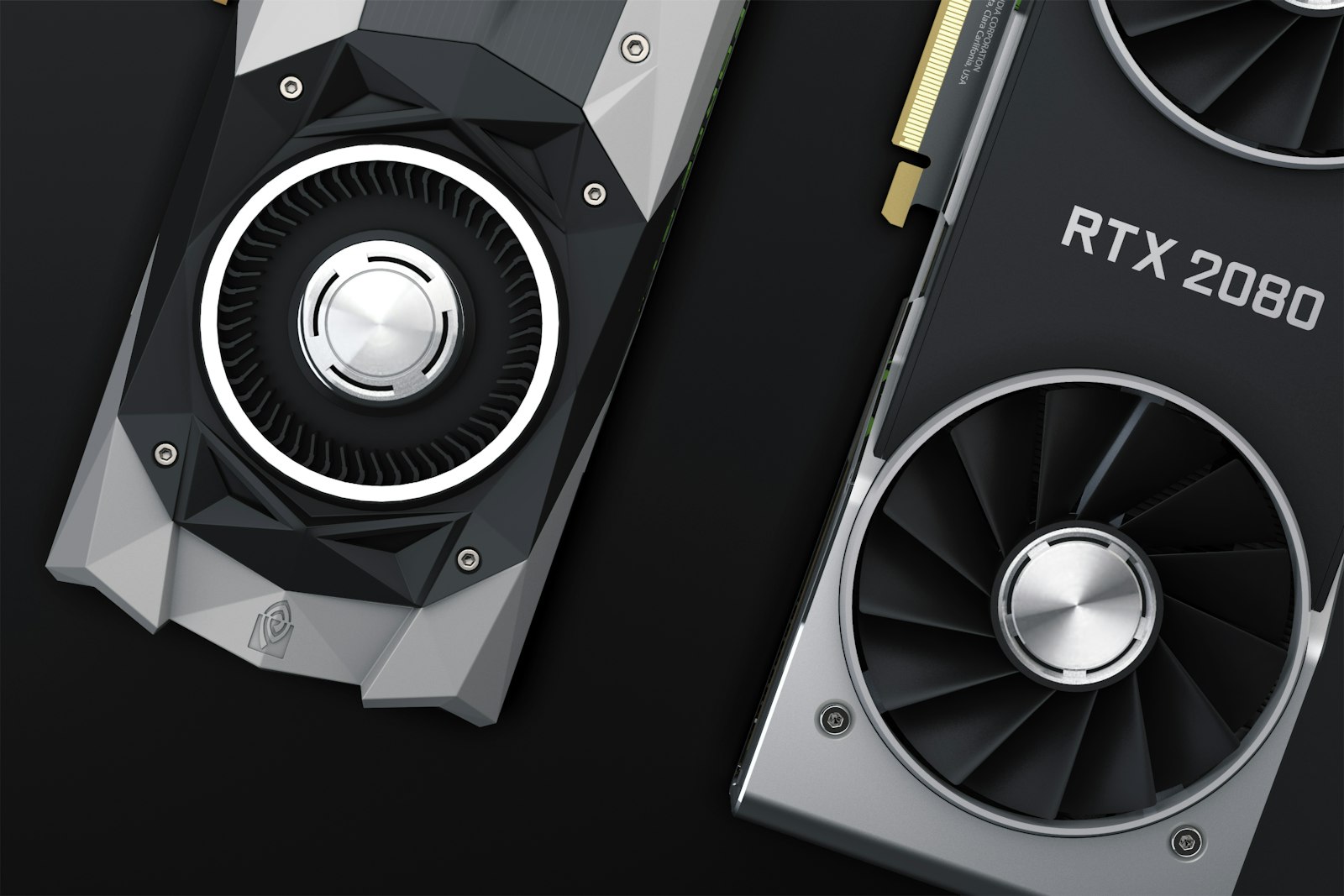
A recent case study highlights this trend: a user intends to integrate an NVIDIA RTX 3070 (with 8GB of VRAM) into a system already equipped with an AMD 9070 XT (featuring 16GB of VRAM), operating on Windows with WSL2. The objective is clear: to dedicate the NVIDIA GPU to workloads requiring CUDA acceleration, such as LLM Inference, while the AMD GPU handles other operations. This strategy reflects a pursuit of efficiency and specialization of computational resources.
Technical Challenges in Multi-GPU Management within WSL2
The proposed configuration raises several crucial technical questions, particularly within the WSL2 (Windows Subsystem for Linux) environment. The primary uncertainty concerns WSL2's ability to granularly assign specific GPUs to distinct processes or workloads. It is essential to understand whether it is possible to define, via environment variables or device flags, which GPU should be used for a given task, preventing the operating system or drivers from conflicting.
Other concerns relate to the potential hardware implications of a multi-vendor setup. Sharing PCIe bandwidth between two graphics cards from different manufacturers could introduce bottlenecks or unexpected latencies. Furthermore, the coexistence of NVIDIA and AMD drivers in the same operating system, while theoretically possible, might generate instability or conflicts, compromising the overall system reliability. The AMD 9070 XT, in this scenario, would retain its role as the primary GPU for display management.
Implications for On-Premise LLM Deployments
For CTOs, DevOps leads, and infrastructure architects, exploring heterogeneous hardware configurations like this is highly relevant. It represents an attempt to optimize the Total Cost of Ownership (TCO) and maximize the reuse of existing hardware, which are critical aspects for on-premise deployments. The ability to leverage different GPUs for specific tasks, for example, NVIDIA for LLM Inference and AMD for other graphical or computational applications, can offer a significant economic advantage compared to purchasing new, monolithic infrastructures.
However, this flexibility also introduces additional complexities in terms of management, monitoring, and troubleshooting. Data sovereignty and compliance, often key motivations for on-premise deployments, require the infrastructure to be robust and predictable. Driver stability and resource management in mixed environments therefore become determining factors for the success of such implementations.
Future Prospects for Local AI Infrastructure
The experience of those experimenting with multi-GPU configurations from different vendors in WSL2 is valuable for the entire on-premise AI community. The lack of widespread documentation on these specific configurations highlights a gap that the industry is gradually addressing. As LLMs become more accessible and local deployment needs grow, the demand for hardware and software solutions that support heterogeneous environments will increase.
The ability to orchestrate AI workloads across a mix of GPUs, regardless of vendor, will be an enabling factor for many companies seeking to maintain control over their data and infrastructure. While the technical challenges are real, innovation in this field is crucial for unlocking new possibilities for efficient and cost-effective artificial intelligence deployment.




💬 Comments (0)
🔒 Log in or register to comment on articles.
No comments yet. Be the first to comment!