L'Innovazione Giapponese nel Settore dei Droni da Difesa
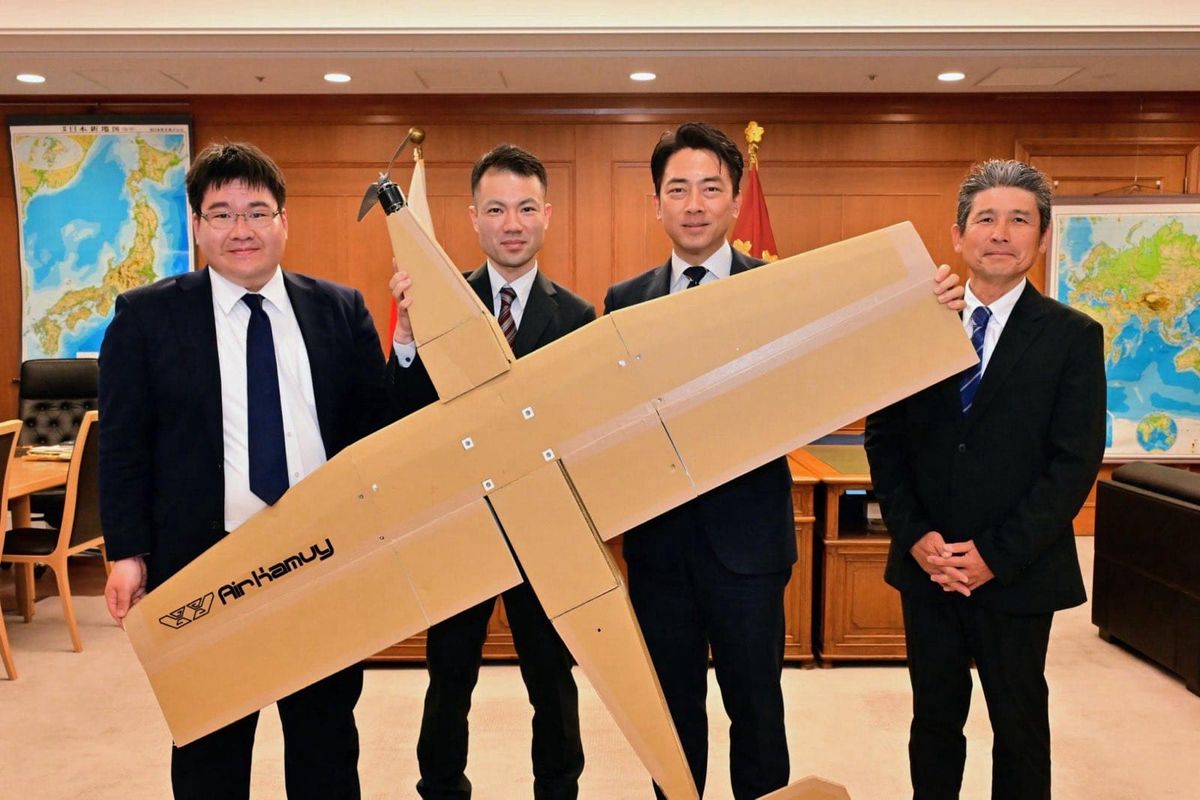
Il Giappone sta esplorando nuove frontiere nella tecnicia dei droni, con un'attenzione particolare a soluzioni economiche e facilmente dispiegabili. Recentemente, il Ministro della Difesa giapponese, Shinjirō Koizumi, ha incontrato il produttore di droni AirKamuy, presentando il modello AirKamuy 150. Questo velivolo, realizzato in cartone pre-fabbricato, è concepito per essere un asset monouso sul campo di battaglia, arrivando in un kit di montaggio piatto, simile ai mobili IKEA.
Questa iniziativa sottolinea una tendenza crescente nel settore della difesa: l'adozione di sistemi a basso costo e ad alta disponibilità. L'approccio del Giappone, focalizzato su droni in cartone, suggerisce una strategia che bilancia l'efficacia operativa con la sostenibilità economica e logistica, elementi cruciali per le moderne forze armate che devono affrontare scenari complessi e in rapida evoluzione.
Dettagli Tecnici e Impiego Operativo
L'AirKamuy 150 si distingue per la sua costruzione in cartone pre-fabbricato, una scelta che ne riduce drasticamente i costi di produzione e ne semplifica la logistica. La spedizione in un formato “flatpack” consente un trasporto efficiente e un assemblaggio rapido sul campo, rendendolo ideale per scenari che richiedono un dispiegamento veloce e su larga scala. Sebbene la fonte non specifichi dettagli tecnici come l'autonomia o il carico utile, la sua natura di drone monouso implica un design ottimizzato per missioni specifiche e di breve durata.
Secondo quanto dichiarato dal Ministro Koizumi, la Forza Marittima di Auto-Difesa giapponese ha già iniziato a utilizzare questi droni in cartone come bersagli per l'addestramento. Questo impiego iniziale evidenzia la versatilità del sistema, che può servire sia per scopi operativi diretti, come droni “suicidi” o da ricognizione a perdere, sia per preparare le truppe a contrastare minacce simili. La capacità di produrre e dispiegare rapidamente un gran numero di questi velivoli offre un vantaggio significativo sia in termini di addestramento che di potenziale saturazione delle difese nemiche.
Contesto Strategico e Implicazioni per la Sovranità
L'iniziativa giapponese si inserisce in una visione strategica più ampia. Il Ministro Koizumi ha infatti espresso l'obiettivo di trasformare le Forze di Auto-Difesa in un'entità che faccia il più ampio uso possibile di asset senza pilota a livello globale. Per raggiungere questo scopo, ha sottolineato l'importanza di rafforzare la collaborazione con le startup attive nel settore della difesa. Questo approccio non solo stimola l'innovazione interna, ma garantisce anche un maggiore controllo sulla catena di approvvigionamento e sulle tecnicie critiche.
Per chi valuta deployment on-premise di soluzioni tecniciche, il principio della sovranità dei dati e del controllo sull'infrastruttura è fondamentale. Analogamente, nel settore della difesa, la capacità di sviluppare e produrre localmente asset strategici come i droni in cartone riduce la dipendenza da fornitori esterni e rafforza l'autonomia nazionale. Questo modello di sviluppo e impiego di tecnicie proprietarie, anche se a basso costo, è cruciale per mantenere un vantaggio competitivo e garantire la sicurezza in un panorama geopolitico in continua evoluzione.
Prospettive Future dell'Automazione nella Difesa
L'adozione di droni in cartone da parte del Giappone rappresenta un esempio concreto di come l'innovazione possa emergere anche da soluzioni apparentemente semplici. La tendenza verso l'impiego massivo di asset senza pilota, economici e potenzialmente sacrificabili, sta ridefinendo le strategie militari a livello globale. Questo approccio consente di mitigare i rischi per il personale umano e di operare con maggiore flessibilità in ambienti ostili.
Il futuro della difesa vedrà probabilmente una coesistenza di piattaforme altamente sofisticate e costose con sistemi più semplici, prodotti in massa e a basso costo. La capacità di integrare queste diverse tipologie di asset in una pipeline operativa coerente sarà la chiave per le nazioni che mirano a mantenere la propria resilienza e capacità di risposta. La collaborazione con startup, come evidenziato dal Ministro Koizumi, sarà un fattore abilitante per accelerare l'innovazione e il rilascio di nuove capacità sul campo.





💬 Commenti (0)
🔒 Accedi o registrati per commentare gli articoli.
Nessun commento ancora. Sii il primo a commentare!