Journalist Sues FAA Over Drone No-Fly Zone Impeding DHS/ICE Filming
Photojournalist Rob Levine and the Reporters Committee for Freedom of the Press have initiated legal action against the Federal Aviation Administration (FAA) to challenge a recent temporary flight restriction (TFR). This regulation prohibits drones from operating within a 3,000-foot radius of Department of Homeland Security (DHS) buildings and "mobile assets," a measure that, in practice, includes operations by Immigration and Customs Enforcement (ICE) agents. The lawsuit raises significant questions about freedom of the press and journalists' ability to document events of public interest.
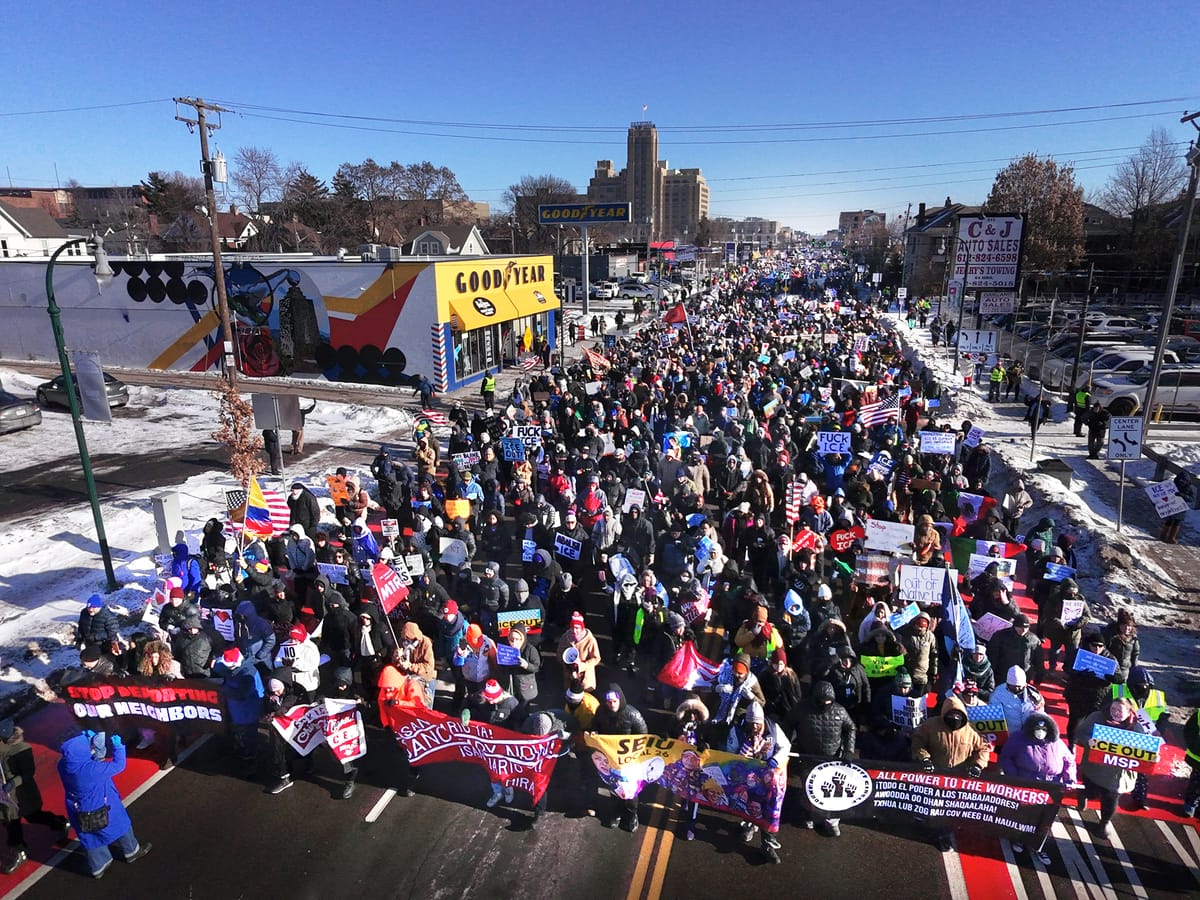
The restriction, issued by the FAA in January, was introduced during a period when ICE agents were particularly active on the streets of Minneapolis. According to Levine and his legal team, the "amorphous" nature of this no-fly zone makes it virtually impossible to comply with, threatening the First Amendment rights of journalists who use drones for newsgathering. The dispute highlights a growing tension between government security needs and the right to information, with direct implications for those working in photojournalism.
An "Impossible to Follow" Restriction
The core of the legal challenge lies in the difficulty, if not impossibility, of complying with the new TFR. Levine's lawyers argued in a court document that, without a means of verifying in advance the presence of DHS vehicles – such as unmarked cars driven by ICE agents – drone pilots nationwide cannot know whether a flight will expose them to legal liability. This ambiguity creates an environment of uncertainty that, according to the plaintiffs, has a "chilling effect" on journalists' ability to perform their work.
Rob Levine, a Minneapolis resident, recounted using his drone to document protests and ICE operations during the early days of Operation Metro Surge, before the TFR's introduction. The rule forced him to ground his drone, given the impossibility of distinguishing between civilian vehicles and those used by thousands of DHS agents, often in plainclothes or with altered license plates, present in the city. The threat of severe penalties, including drone confiscation or destruction, arrest, and permanent flight bans, amplifies this deterrent effect.
Precedents and Implications for Press Freedom
Grayson Clary, a lawyer with the Reporters Committee for Freedom of the Press representing Levine, emphasized how the FAA has a history of imposing temporary flight restrictions in ways that appear designed to hinder newsgathering. This new no-fly zone is a modification of a 2025 TFR that limited drones within 3,000 feet of Department of Defense and Department of Energy bases. The crucial difference, as highlighted by Clary, is the disparity between monitoring a large naval vessel or a nuclear convoy and identifying an unmarked DHS ground vehicle.
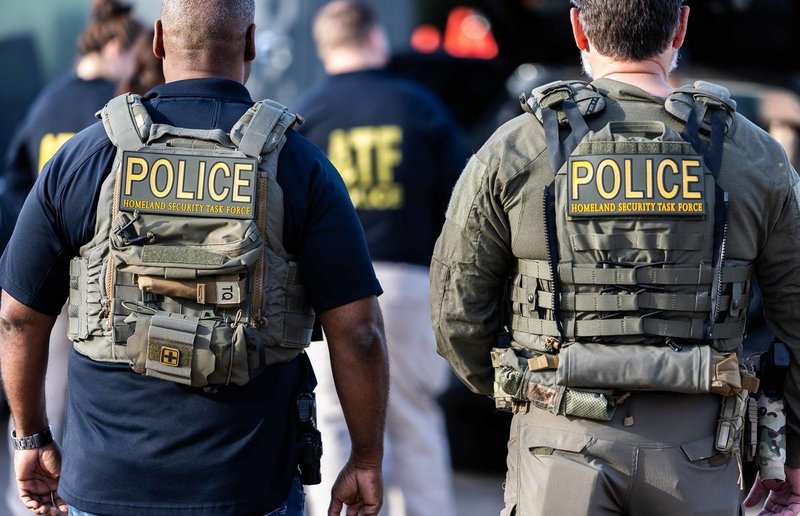
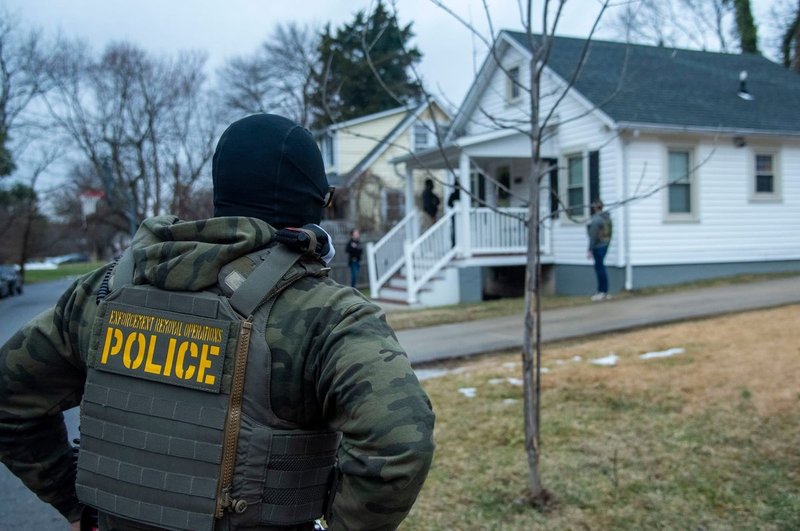
The Department of Homeland Security, in fact, is not forthcoming about the number of ICE agents in a given city or their operational areas. They often operate in plainclothes, patrol cities in unmarked vehicles, and do not announce themselves in the neighborhoods they patrol. This secrecy, combined with the vagueness of the TFR, makes it impossible for journalists to comply with the FAA's no-fly zone. It is noteworthy that DHS itself uses its own drones for surveillance activities, as demonstrated by Predator drone flights over protests in Los Angeles and Minneapolis.
The Battle for Transparency in the Digital Age
Rob Levine's lawsuit is not his first battle against the FAA. In 2016, during the anti-oil pipeline protests at Standing Rock, Levine obtained a waiver from the FAA to fly his drone, appealing to First Amendment rights. This precedent suggests a possible path for resolving the current dispute, highlighting the need to balance national security with transparency and the public's right to information.
For organizations and professionals operating in contexts where data collection and information sovereignty are crucial, this incident underscores the importance of understanding regulatory constraints and their implications. While not directly related to on-premise LLM deployment, the issue of government control over access and collection of information resonates with concerns about data sovereignty and compliance in air-gapped environments, central themes for AI-RADAR. The ability to document public events, even through technologies like drones, remains a cornerstone of press freedom, constantly challenged by new regulatory hurdles.







💬 Comments (0)
🔒 Log in or register to comment on articles.
No comments yet. Be the first to comment!