
GitHub Copilot: l'AI agentica mette in crisi i modelli di sottoscrizione a prezzo fisso
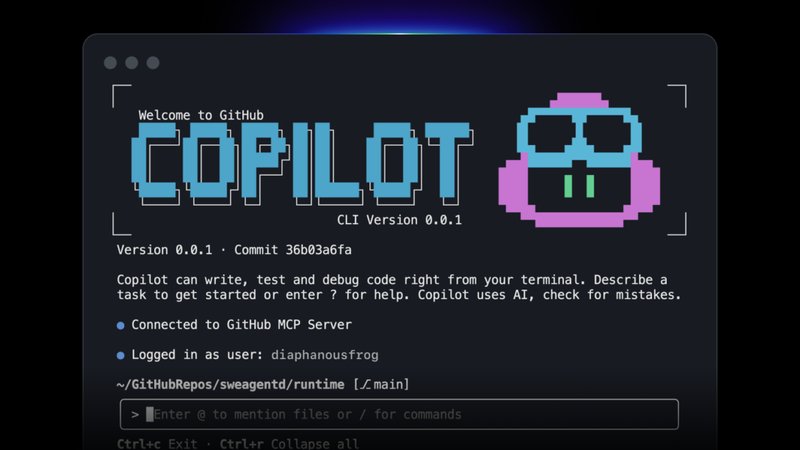
GitHub ha annunciato la sospensione delle nuove iscrizioni per i piani Copilot Pro, Pro+ e Student, introducendo al contempo limiti di utilizzo più stringenti per gli abbonati esistenti. Questa mossa strategica segnala un cambiamento significativo nel panorama dei servizi di assistenza alla programmazione basati sull'intelligenza artificiale. La decisione di GitHub riflette una crescente pressione economica, dove i costi operativi generati dai flussi di lavoro di codifica basati su AI agentica stanno superando in modo consistente le entrate derivanti dagli abbonamenti a prezzo fisso.
L'era dell'assistenza AI illimitata a un costo predefinito sembra giunta al termine. Questo sviluppo ha implicazioni dirette non solo per i singoli sviluppatori, ma anche per le aziende che integrano strumenti di AI generativa nelle loro pipeline di sviluppo software, costringendole a riconsiderare le proprie strategie di adozione e i relativi modelli di costo.
L'impatto dell'AI agentica sui costi operativi
Il concetto di "AI agentica" si riferisce a sistemi di intelligenza artificiale capaci di operare in modo autonomo, pianificando e eseguendo sequenze di azioni per raggiungere un obiettivo complesso. Nel contesto della codifica, ciò significa che l'AI non si limita a suggerire frammenti di codice, ma può generare intere sezioni, refactoring o persino debug, interagendo iterativamente con l'ambiente di sviluppo. Questa maggiore autonomia e complessità si traduce in un utilizzo intensivo delle risorse computazionali.
Ogni interazione, ogni suggerimento e ogni generazione di codice da parte di un Large Language Model (LLM) richiede cicli di Inference su hardware specializzato, tipicamente GPU. I flussi di lavoro agentici, per loro natura, tendono a generare un numero significativamente maggiore di richieste e di Token elaborati rispetto a un'assistenza più passiva. Questo incremento esponenziale del Throughput richiesto si traduce direttamente in costi operativi più elevati per i fornitori di servizi cloud, che devono sostenere la spesa per l'infrastruttura sottostante.
Implicazioni per le aziende e i deployment on-premise
La revisione dei modelli di prezzo da parte di un attore di mercato come GitHub evidenzia una sfida più ampia per le aziende che adottano l'AI: la prevedibilità dei costi. I modelli di sottoscrizione a prezzo fisso offrono una chiarezza finanziaria che i modelli basati sull'utilizzo spesso non garantiscono, specialmente quando il consumo di risorse è variabile e difficile da stimare a priori. Questo scenario spinge le organizzazioni a valutare con maggiore attenzione il Total Cost of Ownership (TCO) delle loro soluzioni AI.
Per le imprese che considerano l'integrazione di LLM e AI agentica, la questione del deployment diventa cruciale. Se da un lato i servizi cloud offrono scalabilità e gestione semplificata, dall'altro possono presentare costi imprevedibili e preoccupazioni legate alla sovranità dei dati. Un deployment self-hosted o on-premise, pur richiedendo un investimento iniziale (CapEx) in hardware come GPU e infrastruttura, può offrire un maggiore controllo sui costi operativi a lungo termine, una maggiore sicurezza e la garanzia di mantenere i dati all'interno dei propri confini aziendali, rispondendo a stringenti requisiti di compliance.
Il futuro dell'assistenza AI e l'ottimizzazione delle risorse
La mossa di GitHub preannuncia un futuro in cui l'assistenza AI sarà probabilmente offerta con modelli di prezzo più granulari, potenzialmente legati al consumo effettivo di Token o alla complessità delle operazioni. Questo richiederà agli sviluppatori e alle aziende di adottare un approccio più consapevole all'utilizzo dell'AI, ottimizzando le richieste e sfruttando tecniche come la Quantization o l'utilizzo di LLM più piccoli e efficienti per ridurre l'impronta computazionale.
La necessità di bilanciare funzionalità avanzate e sostenibilità economica diventerà un fattore determinante. Per chi valuta deployment on-premise, AI-RADAR offre framework analitici su /llm-onpremise per valutare i trade-off tra costi iniziali, operativi, performance e requisiti di sicurezza. La gestione efficiente delle risorse, sia in cloud che on-premise, sarà la chiave per sbloccare il pieno potenziale dell'AI agentica senza incorrere in spese insostenibili.








💬 Commenti (0)
🔒 Accedi o registrati per commentare gli articoli.
Nessun commento ancora. Sii il primo a commentare!