The New Frontier of AI Computing
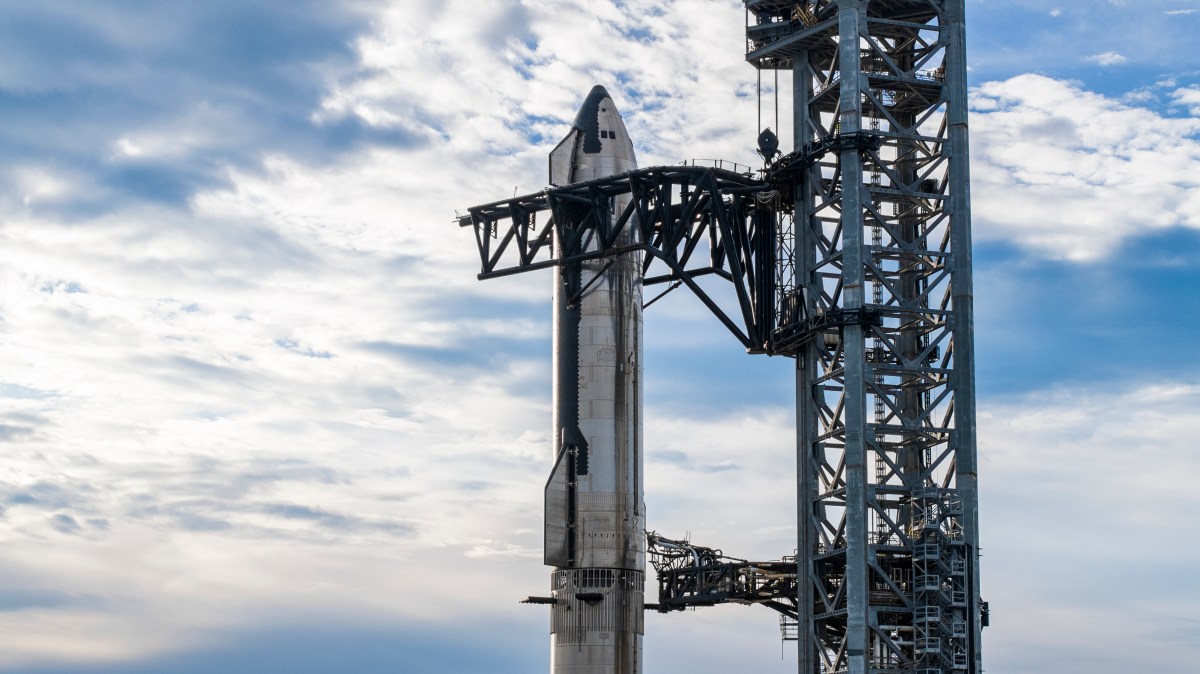
The landscape of artificial intelligence computing may soon expand beyond terrestrial boundaries. According to recent reports, Google and SpaceX are in talks regarding an ambitious initiative: the construction of data centers in orbit. This project aims to position space as the future home for AI compute workloads, opening up unprecedented scenarios for global technological infrastructure.
The idea of moving computing infrastructure into space is not entirely new, but the interest from two giants like Google and SpaceX lends new relevance to this prospect. While specific details of the negotiations have not been made public, the stated goal is to explore the feasibility of a deployment that can support the growing computing needs for Large Language Models (LLM) and other artificial intelligence applications.
Implications for Infrastructure and Costs
An orbital data center deployment would present wide-ranging engineering and operational challenges. Thermal management, power supply, high-bandwidth connectivity, and maintenance would be critical aspects to address. Currently, the source emphasizes that the costs for building and maintaining infrastructure in space are "far higher" than those on the ground. This TCO (Total Cost of Ownership) factor represents a significant hurdle that will require substantial innovations to overcome.
For companies currently evaluating the deployment of LLMs and AI workloads, the choice between self-hosted on-premise solutions and cloud services is already complex, based on factors such as latency, throughput, available VRAM, and data control. The space option, while futuristic, would add another layer of complexity, requiring a thorough analysis of the trade-offs between high costs and unique potential benefits, such as access to extreme environmental conditions or enhanced physical security through isolation.
Data Sovereignty and Space Deployment
One of the most relevant aspects for technology decision-makers, particularly CTOs and infrastructure architects, concerns data sovereignty. In the context of an orbital data center, new questions would arise about where data would legally reside, which jurisdictions would apply, and how privacy regulations like GDPR would be guaranteed. The possibility of creating air-gapped environments in orbit could offer an unprecedented level of isolation, but at the same time complicate compliance and auditing.
Managing physical and logical security in a space environment would require extremely robust protocols and Frameworks. For organizations prioritizing total control over their digital assets and the protection of sensitive information, the idea of an orbital deployment would open both opportunities for extreme isolation and new regulatory and operational challenges.
Future Prospects and Trade-offs
Discussions between Google and SpaceX are still in a preliminary phase, but they highlight a clear trend: the search for innovative solutions to meet the growing demand for AI computing. While orbital data centers may seem like a distant concept, their potential realization would force a reconsideration of the entire AI development and deployment pipeline.
The trade-offs between costs, performance, security, and data sovereignty will remain central. While on-premise solutions offer control and sovereignty, and the cloud provides flexibility and scalability, orbit could promise a unique environment for specific workloads. For those evaluating on-premise deployments, AI-RADAR offers analytical frameworks on /llm-onpremise to assess these trade-offs, but it is clear that the future of AI computing may literally have no boundaries.








💬 Comments (0)
🔒 Log in or register to comment on articles.
No comments yet. Be the first to comment!