
L'approccio di GRAI: l'IA per potenziare la creatività, non per sostituirla
La startup GRAI, attiva nel settore della musica basata su intelligenza artificiale, propone una visione distintiva sul ruolo che questa tecnicia dovrebbe avere nell'industria creativa. L'azienda sostiene che l'IA non debba mirare a sostituire gli artisti o a generare brani musicali completamente da zero, ma piuttosto a fungere da catalizzatore per la socialità e la collaborazione tra i fan. Questa prospettiva si discosta da molti approcci puramente generativi che hanno sollevato dibattiti etici e legali sul diritto d'autore e sull'autenticità artistica.
Secondo GRAI, l'interesse principale degli appassionati di musica non risiede nella creazione ex novo di composizioni tramite algoritmi, bensì nella possibilità di interagire con la musica esistente. L'azienda ha identificato una chiara preferenza da parte degli utenti per strumenti che consentano di remixare tracce già note, offrendo nuove modalità di espressione e partecipazione attiva nel processo creativo. Questo modello suggerisce un futuro in cui l'IA agisce come un potente strumento di editing e manipolazione, piuttosto che come un compositore autonomo.
L'IA come strumento di remix e collaborazione
L'idea di utilizzare l'intelligenza artificiale per il remix di brani esistenti apre scenari interessanti per l'interazione tra utente e contenuto musicale. Piuttosto che affidarsi a modelli generativi che producono output imprevedibili e spesso privi di una chiara direzione artistica, l'approccio di GRAI si concentra sull'abilitazione di capacità assistive. Questo potrebbe includere funzionalità avanzate di separazione delle tracce (isolando voce, batteria, basso, ecc.), manipolazione del tempo e del tono, o l'applicazione di effetti stilistici basati su modelli pre-addestrati.
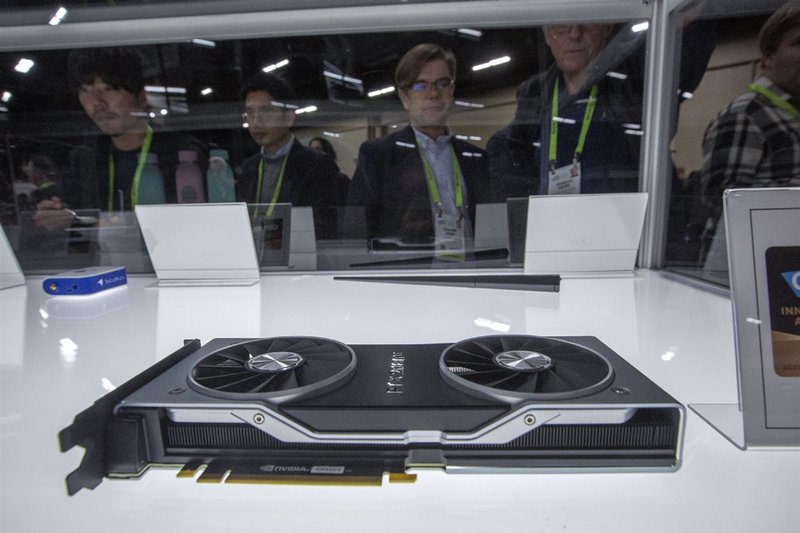
Dal punto di vista tecnico, l'implementazione di tali funzionalità richiede infrastrutture capaci di gestire carichi di lavoro intensivi per l'inference. L'elaborazione audio in tempo reale o quasi reale, necessaria per un'esperienza di remix fluida, può richiedere GPU con specifiche VRAM elevate e un throughput consistente. La latenza è un fattore critico, specialmente se l'interazione è pensata per essere immediata. Questo tipo di workload si presta a valutazioni approfondite tra deployment in cloud e soluzioni self-hosted, dove il controllo diretto sull'hardware può ottimizzare le performance e ridurre i costi operativi a lungo termine.
Implicazioni per il deployment e la sovranità dei dati
L'enfasi sul remix da parte degli utenti solleva questioni significative riguardo alla gestione dei dati e alla sovranità. Quando gli utenti caricano brani o parti di essi per il remix, si generano dati sensibili che possono includere informazioni personali o materiale protetto da copyright. Questo scenario rende cruciale la scelta dell'infrastruttura di deployment. Le aziende che operano in questo settore devono considerare attentamente le normative sulla privacy, come il GDPR, e la necessità di mantenere il controllo sui dati degli utenti.
Un deployment on-premise o in ambienti air-gapped può offrire un livello superiore di controllo sulla localizzazione e sulla sicurezza dei dati, riducendo i rischi associati alla dipendenza da fornitori cloud esterni. Sebbene le soluzioni cloud offrano scalabilità e flessibilità, il TCO e le implicazioni per la sovranità dei dati possono spingere le organizzazioni a valutare alternative self-hosted. Per chi valuta deployment on-premise per carichi di lavoro AI/LLM, AI-RADAR offre framework analitici su /llm-onpremise per valutare i trade-off tra costi iniziali, costi operativi e requisiti di compliance. La capacità di gestire in modo autonomo l'intera pipeline, dall'ingestione dei dati all'inference, diventa un fattore distintivo.
Prospettive future: l'IA come estensione della creatività umana
La visione di GRAI si inserisce in un dibattito più ampio sul futuro dell'intelligenza artificiale nelle arti. Proponendo l'IA come uno strumento che amplifica la creatività umana e favorisce l'interazione sociale, l'azienda offre un modello che potrebbe mitigare alcune delle preoccupazioni etiche e occupazionali legate all'automazione completa. Invece di vedere l'IA come un concorrente, GRAI la posiziona come un collaboratore, un co-creatore che permette ai fan di esplorare nuove dimensioni della musica.
Questo approccio potrebbe stimolare nuove forme di comunità e partecipazione, dove gli utenti non sono solo consumatori passivi, ma attori attivi nel plasmare e reinterpretare le opere musicali. La sfida per aziende come GRAI sarà quella di bilanciare la potenza tecnicica con un design intuitivo e un modello di business sostenibile, garantendo al contempo il rispetto dei diritti degli artisti originali e la protezione dei dati degli utenti. L'IA, in questa prospettiva, diventa un ponte tra l'artista e il pubblico, arricchendo l'esperienza musicale per tutti.




💬 Commenti (0)
🔒 Accedi o registrati per commentare gli articoli.
Nessun commento ancora. Sii il primo a commentare!