Gyver and AI for the Industrial Workforce
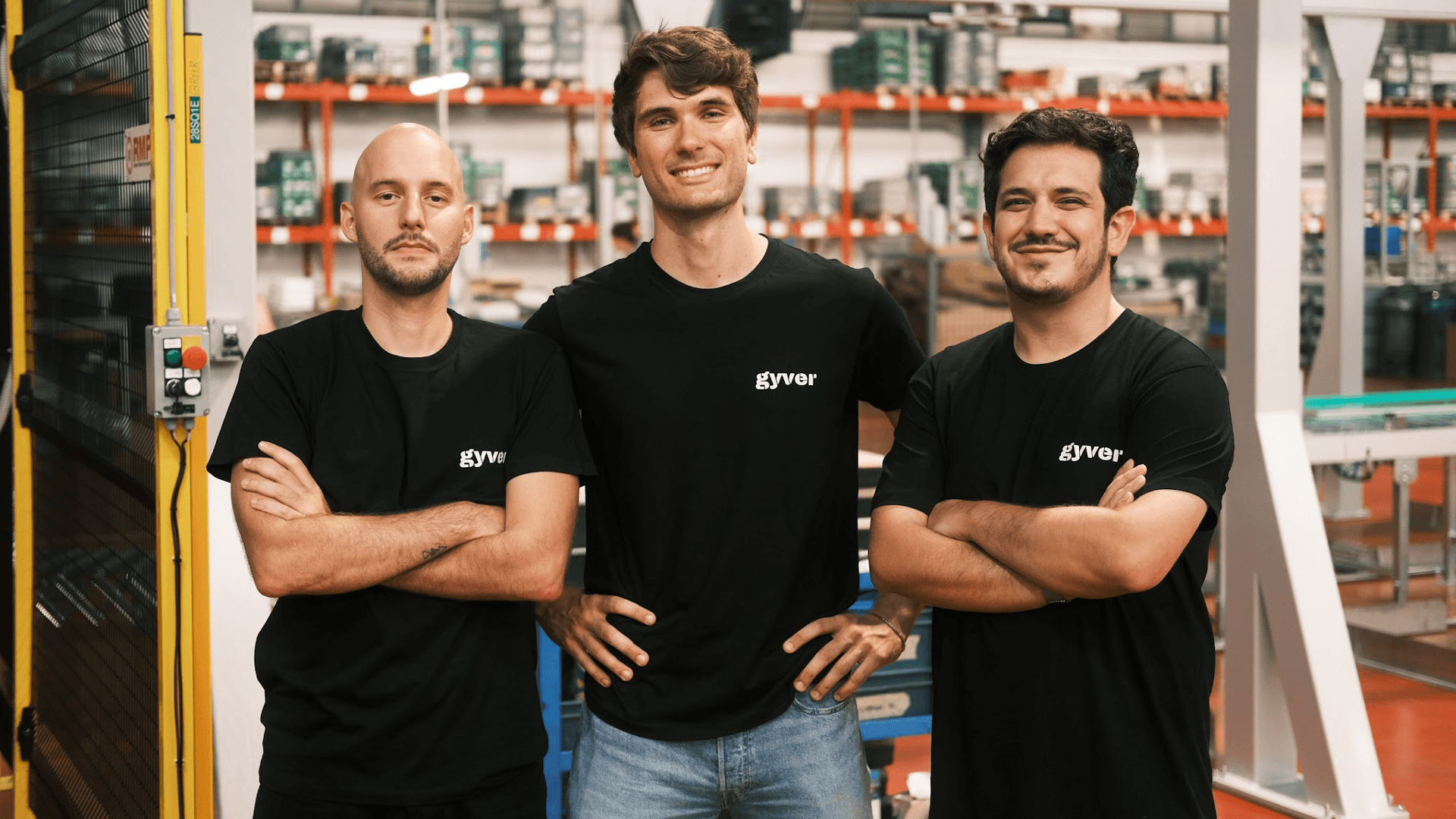
Italian startup Gyver has announced it has raised €1.4 million in a pre-seed funding round. The investment, led by Brighteye with participation from āltitude, Vento Ventures, Zanichelli Venture, existing investor Antler, and several business angels, is earmarked to strengthen the company's technology platform. Gyver focuses on developing workforce infrastructure for Europe's industrial and energy sectors, a crucial area for the continent's transition and modernization.
Founded by Francesco Defendi, Leo Acciarri, and Mattia Zarrelli, Gyver addresses a significant challenge: the growing shortage of skilled blue-collar workers across Europe. This issue is particularly acute in key sectors such as electrification, energy, and industrial infrastructure, where the demand for specialized skills outstrips supply. The capital injection will allow Gyver to reinforce its AI systems and workflow processes, enhancing the experience for both employers and professionals.
The AI-Powered Platform and Market Challenge
Gyver has developed an AI-powered conversational hiring platform designed to replicate the referral and word-of-mouth processes typically used by electricians to find work. This innovative approach aims to make the identification and access to skilled workers more efficient for companies. The need for such a solution is clear: as Europe accelerates investment in renewable energy, data centers, and grid modernization, the demand for skilled electrical workers continues to increase exponentially.
Industry estimates suggest that, in addition to the approximately 28 million skilled blue-collar workers already in the EU, an additional 5.8 million professionals will be needed by 2030. This gap highlights the urgency for technological solutions that can not only connect supply and demand but also support skill growth and development. The adoption of AI-powered platforms in industrial contexts also raises important considerations for CTOs and infrastructure architects, who must evaluate the trade-offs between cloud and self-hosted deployments to ensure data sovereignty, compliance, and optimal latency, especially when managing sensitive data or requiring real-time processing.
Long-Term Vision and Technological Impact
Gyver's vision extends beyond simple recruitment. The company plans to expand its platform to include areas such as upskilling, learning, and workforce productivity tools, specifically for electricians. The long-term goal is to provide modern technical tools for tasks such as electrical design and PLC workflows, helping to improve productivity across skilled trades.
Francesco Defendi, co-founder of Gyver, emphasized the importance of elevating the perception of an electrician's job: "We want the job of an electrician to be as cool as being a VC or a famous entrepreneur. Electricians are the most important yet neglected workers category in the modern economy. They embody the combination of brain and manual craft that cannot be replaced by AI, yet they have been left behind by modern technology. The future of work in the AI age is the future of manual craft." This perspective highlights how AI can act as a catalyst to value and support human skills, rather than replace them. For companies operating in air-gapped environments or with stringent data sovereignty requirements, the implementation of local or hybrid AI agents and workflow systems becomes a strategic consideration to ensure both security and operational efficiency.
The Investment and Growth Prospects
The new funding will be used to strengthen Gyver’s technology platform, including its AI agents and workflow systems, and to support the company's growth. The objective is to improve the overall experience for both electricians and employers, creating a more efficient and connected ecosystem.
Gyver's broader aim is to become a comprehensive workforce platform for electrical employers, supporting hiring, workforce management, and worker enablement. This type of investment in AI-driven solutions for traditional sectors underscores a growing trend: the application of artificial intelligence to optimize processes and address human resource shortages in critical areas. For technical decision-makers, analyzing the Total Cost of Ownership (TCO) of such platforms, considering deployment, maintenance, and integration costs with existing infrastructure, will be crucial to maximize return on investment and ensure future scalability.







💬 Comments (0)
🔒 Log in or register to comment on articles.
No comments yet. Be the first to comment!