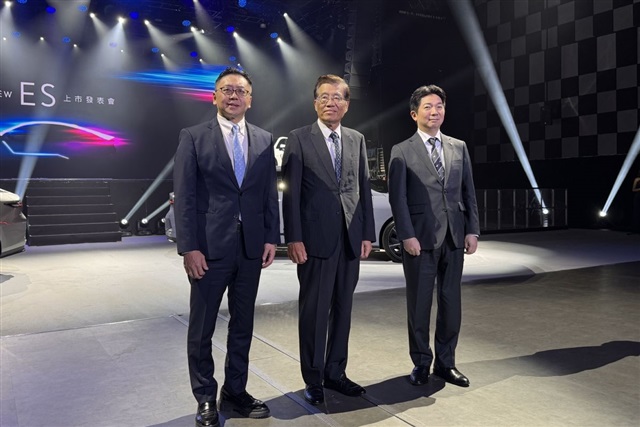
Persistent Shortages in the Automotive Sector
Hotai, a significant player in the automotive landscape, has recently voiced substantial concerns regarding the availability of hybrid vehicles. The company has warned that current shortages, already impacting the market, may not resolve in the short term. Projections indicate that this critical situation could extend until 2027, outlining a scenario of uncertainty for consumers and the entire production chain.
This forecast comes at a time when the global sector is already grappling with various challenges. The complexity of supply chains, the volatility of raw material markets, and shifting geopolitical dynamics all contribute to a difficult operating environment. The ability to meet the demand for hybrid vehicles, in particular, is severely tested by a combination of factors that go beyond simple manufacturing.
The Impact of Oil Prices and Hybrid Demand
One of the key factors cited by Hotai for the persistence of these shortages is the sustained high price of oil. Historically, periods of elevated energy costs tend to stimulate greater demand for more fuel-efficient vehicles, such as hybrids. This correlation creates a vicious cycle: increased demand for hybrid vehicles, driven by oil prices, clashes with limited production capacity, exacerbating the shortages.
The transition towards more sustainable mobility solutions is a global trend, but the speed at which the industry can adapt to this growing demand is limited by structural constraints. The production of hybrid vehicles requires specific components, often with long lead times and concentrated suppliers. Managing these dependencies is crucial for mitigating disruption risks and ensuring a stable supply to the market.
Market Context and Long-Term Implications
Hotai's statements highlight a broader issue affecting various industrial sectors, where the ability to foresee and manage supply chain disruptions has become a strategic priority. Supply chain resilience is fundamental not only for operational continuity but also for price stability and ultimate customer satisfaction. In a context of economic uncertainty, a company's ability to guarantee product availability can represent a significant competitive advantage.
For consumers, the prospect of prolonged shortages means longer waiting times and potentially higher prices for hybrid vehicles. For the industry, this implies the need to reconsider production strategies, invest in supplier diversification, and explore new technologies to improve efficiency and reduce dependence on volatile resources. Long-term planning becomes essential for navigating an ever-evolving market.
Future Outlook and Supply Chain Resilience
The situation described by Hotai underscores the importance of a strategic vision that extends beyond the short term. A company's ability to anticipate and react to external shocks, such as fluctuations in raw material prices or supply chain disruptions, is a key indicator of its resilience. Collaboration among various stakeholders in the supply chain, from component manufacturing to final distribution, is crucial for building a more robust ecosystem.
As the automotive industry continues its evolution towards electrification, resource management and supply chain stability will remain central themes. Lessons learned from current shortages could push towards more localized production models or the adoption of technologies that allow for greater flexibility. Adaptability will be decisive in addressing future challenges and ensuring that innovation can translate into products available for the market.







💬 Comments (0)
🔒 Log in or register to comment on articles.
No comments yet. Be the first to comment!