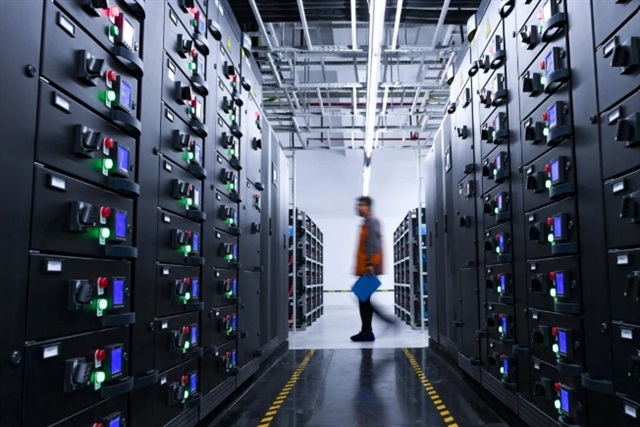
L'Era AI e il Nuovo Collo di Bottiglia Frameworkle
L'era dell'intelligenza artificiale, dominata dai Large Language Models (LLM), sta ridefinendo i requisiti infrastrutturali dei data center moderni. Mentre la potenza di calcolo delle GPU continua a evolversi a ritmi serrati, un nuovo e critico collo di bottiglia emerge con prepotenza: la capacità delle interconnessioni di gestire l'enorme volume di dati che transita tra i componenti di calcolo e di storage. Questa sfida, evidenziata da recenti analisi di mercato, sta catalizzando un aumento significativo della domanda di moduli ottici, elementi cruciali per la scalabilità e l'efficienza delle architetture AI.
La necessità di spostare quantità massicce di dati a velocità estreme è intrinseca ai carichi di lavoro AI più avanzati. Senza interconnessioni adeguate, anche le GPU più potenti non possono esprimere il loro pieno potenziale, limitando di fatto il throughput complessivo del sistema e introducendo latenze inaccettabili per l'addestramento e l'inference di modelli complessi.
Le Sfide delle Interconnessioni per i Carichi di Lavoro AI
I carichi di lavoro AI, specialmente quelli legati all'addestramento e all'inference di LLM, richiedono un trasferimento di dati massivo e ad alta velocità tra un numero elevato di processori. Le architetture distribuite, che impiegano centinaia o migliaia di GPU, necessitano di interconnessioni ultra-performanti per sincronizzare i pesi del modello, scambiare attivazioni e garantire un throughput elevato senza strozzature. Le tradizionali connessioni elettriche, basate su rame, raggiungono rapidamente i loro limiti in termini di larghezza di banda, distanza e consumo energetico, introducendo latenze che possono compromettere l'efficienza complessiva del cluster.
Questo vincolo si manifesta su più livelli: sia all'interno dei singoli server, dove le GPU comunicano tra loro, sia tra i nodi di calcolo all'interno di un rack o tra rack diversi in un data center. La gestione di questi flussi di dati è fondamentale per evitare che le risorse di calcolo rimangano inattive in attesa di dati, riducendo l'utilizzo delle GPU e aumentando il Total Cost of Ownership (TCO) dell'infrastruttura.
La Soluzione Ottica e le Implicazioni per il Deployment
I moduli ottici rappresentano la risposta tecnicica a queste sfide infrastrutturali. Utilizzando la luce anziché gli impulsi elettrici, consentono trasmissioni di dati a velocità molto più elevate su distanze maggiori, con un consumo energetico ridotto e una minore suscettibilità alle interferenze elettromagnetiche. L'adozione di soluzioni ottiche, come quelle basate su InfiniBand o Ethernet ad alta velocità con transceiver ottici, è fondamentale per costruire cluster AI scalabili e performanti, capaci di supportare le esigenze dei modelli più grandi.
Per le organizzazioni che valutano deployment self-hosted o on-premise di infrastrutture AI, la scelta della tecnicia di interconnessione diventa un fattore critico nel calcolo del TCO e nella pianificazione della capacità futura. Un'infrastruttura di rete robusta e a prova di futuro è indispensabile per massimizzare l'investimento in hardware di calcolo, garantendo che le GPU possano operare alla massima efficienza. La capacità di gestire grandi volumi di VRAM e di dati tra i nodi è direttamente correlata alla qualità e alla velocità delle interconnessioni.
Prospettive Future e Decisioni Strategiche
La crescente dipendenza dai moduli ottici sottolinea come l'infrastruttura di rete sia diventata un pilastro fondamentale per l'avanzamento dell'intelligenza artificiale. Le decisioni relative alla scelta e al deployment di queste tecnicie non sono più secondarie, ma strategiche per CTO, DevOps lead e architetti di sistema. È essenziale valutare attentamente i trade-off tra costo iniziale, performance, consumo energetico e complessità di gestione, considerando l'impatto a lungo termine sulla scalabilità e l'operatività.
Per chi si orienta verso soluzioni on-premise, la capacità di progettare e implementare una rete di interconnessione ad alta velocità e bassa latenza è un differenziatore chiave per garantire la sovranità dei dati, la compliance e per ottimizzare i carichi di lavoro AI in ambienti controllati. AI-RADAR offre framework analitici su /llm-onpremise per supportare queste valutazioni, evidenziando i vincoli e le opportunità dei diversi approcci al deployment di LLM e altre applicazioni AI.





💬 Commenti (0)
🔒 Accedi o registrati per commentare gli articoli.
Nessun commento ancora. Sii il primo a commentare!