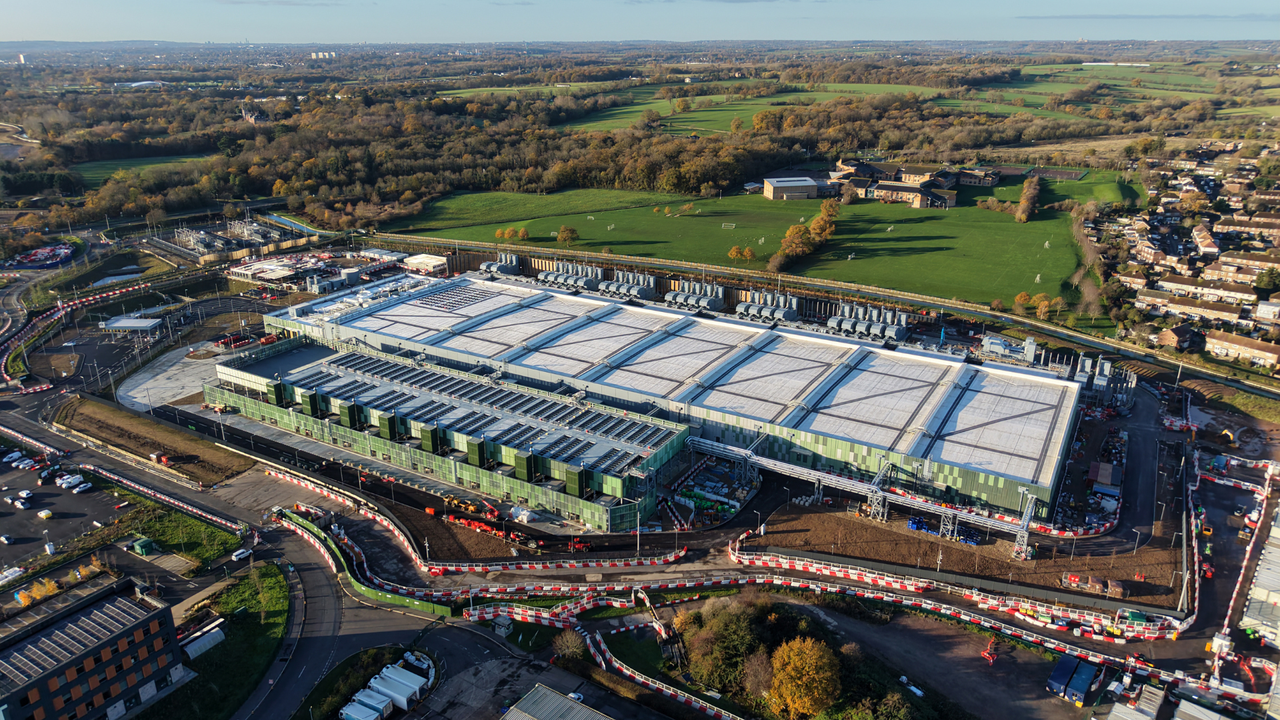
The Growing Footprint of AI Data Centers and New Environmental Challenges
The acceleration in the development and deployment of Large Language Models (LLM) and other artificial intelligence applications has led to a rapid expansion of the necessary computing infrastructure. Data centers, the hub of these operations, require increasingly powerful cooling and power systems to handle intensive computational loads, often based on arrays of high-performance GPUs. This growth entails a larger physical and energy footprint, but also the emergence of unexpected environmental issues.
A significant example of these new challenges arises from complaints by citizens living near data centers. Specifically, disturbances related to high- and low-frequency sounds, referred to as "infrasound," are being reported. While not audible in the traditional sense, these sounds are physically perceived and associated with adverse health effects. The proximity of these facilities to residential areas amplifies the complexity of the problem, making deployment planning a critical aspect.
The Elusive Nature of Infrasound and Its Implications
Infrasound is a form of acoustic energy with frequencies below the threshold of human hearing (typically below 20 Hz). Although not perceived as conventional sound, it can be felt through vibrations or pressure sensations, affecting the human body in ways not yet fully understood by science. Its "inaudible" yet "felt" nature makes it particularly insidious.
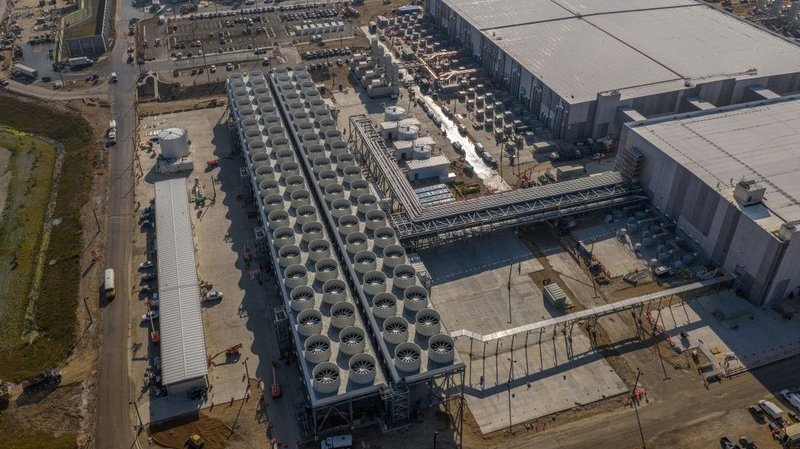
Residents' complaints highlight that these sounds are not registered by common decibel meters, which are designed to measure audible noise. This creates a gap in the ability to monitor and regulate the acoustic impact of data centers, especially those dedicated to AI, where cooling systems (fans, chillers) and power transformers can generate very low-frequency vibrations and sounds. The lack of adequate measurement tools complicates the verification of reports and the definition of tolerance thresholds.
Impact on On-Premise Deployment and TCO
For organizations evaluating the deployment of AI infrastructures on-premise, the infrasound issue adds another layer of complexity to site selection and Total Cost of Ownership (TCO) management. The choice of a data center location can no longer be based solely on factors such as power availability, connectivity, and physical security, but must also include a careful assessment of the environmental acoustic impact, even for inaudible frequencies.
Ignoring these aspects can lead to unforeseen costs related to legal disputes, compensation claims, or the need to implement expensive post-deployment noise mitigation solutions. Regulatory compliance, often focused on audible noise, may not be sufficient. It is essential to consider investment in more in-depth environmental impact studies and specialized monitoring technologies from the initial stages of infrastructure planning.
Future Perspectives for Design and Mitigation
Addressing the infrasound problem requires a proactive approach in data center design and engineering. This includes adopting quieter cooling systems, advanced acoustic insulation for facilities, and selecting components that minimize low-frequency vibrations. Research and development of new technologies for infrasound measurement and mitigation will be crucial to ensure harmonious coexistence between AI infrastructures and surrounding communities.
For CTOs, DevOps leads, and infrastructure architects, the lesson is clear: planning an on-premise deployment for AI workloads must extend beyond performance metrics and power requirements. Environmental sustainability and community relations become determining factors that influence not only public acceptance but also the long-term economic and operational feasibility of the investment. AI-RADAR continues to explore these trade-offs, providing analysis for those evaluating complex deployment decisions at /llm-onpremise.








💬 Comments (0)
🔒 Log in or register to comment on articles.
No comments yet. Be the first to comment!