The AI Hardware Race and the Chip Squeeze
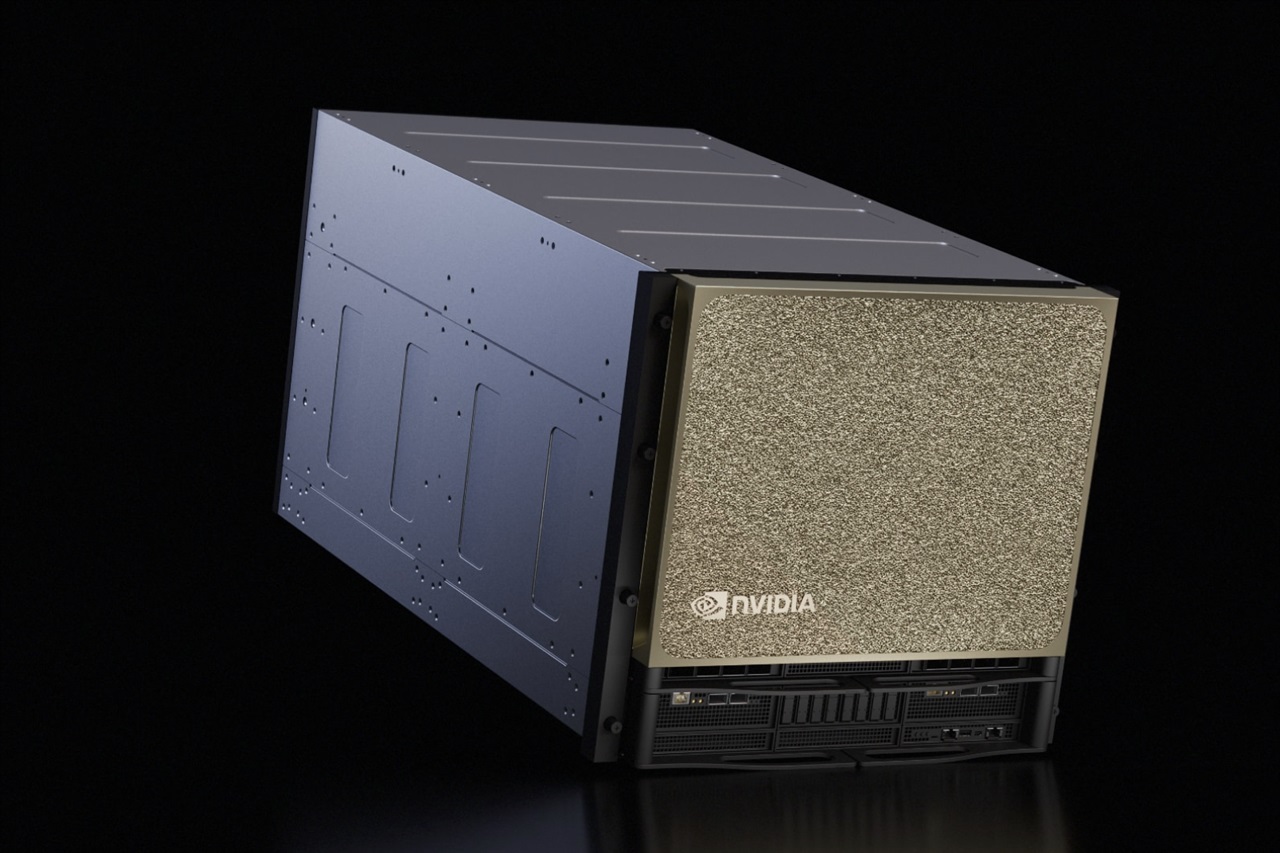
The one-million-dollar price tag for an Nvidia AI server in the Chinese market is not just a number; it's an indicator of the profound "global chip squeeze" currently affecting the tech industry. This phenomenon, where extremely high demand clashes with a limited supply of advanced silicio, has direct repercussions for companies seeking to implement artificial intelligence capabilities, particularly for Large Language Models (LLMs).
The scarcity and exorbitant cost of computing hardware, especially high-performance GPUs, pose significant challenges for infrastructure teams and CTOs. This situation is not limited to China but reflects a global market dynamic impacting the planning and execution of AI projects worldwide, making access to computational resources a critical success factor and a key element in evaluating the Total Cost of Ownership (TCO).
The Context of Scarcity and Cost
The demand for specialized AI chips, such as Nvidia GPUs, has exploded with the advancement of LLMs and deep learning applications. These components are essential for training and inference of complex models, requiring enormous amounts of VRAM and computational power. The production of these chips is an extremely complex and costly process, limited to a few global players and influenced by geopolitical factors and manufacturing capacity constraints.
Consequently, prices rise, and availability decreases, creating a market where access to hardware becomes a critical factor. This translates into very high initial CapEx for anyone looking to build or expand their AI infrastructure. The rarity of these components not only increases their price but also extends lead times, further complicating the planning and deployment of new solutions.
Implications for On-Premise Deployments
For organizations prioritizing on-premise deployments for reasons of data sovereignty, compliance, or long-term TCO control, the current situation presents a dilemma. Purchasing high-end AI servers at such elevated costs drastically increases the initial investment. While a self-hosted infrastructure offers advantages in terms of security and customization, the difficulty in sourcing hardware and associated costs can slow adoption or push towards hybrid or cloud solutions.
Evaluating the Total Cost of Ownership (TCO) becomes even more complex, requiring consideration of not only the purchase price but also lead times, energy costs, and maintenance. For those evaluating on-premise deployments, there are significant trade-offs between the control offered by local infrastructure and the flexibility and immediate availability of cloud resources. AI-RADAR offers analytical frameworks on /llm-onpremise to evaluate these trade-offs, providing tools for an in-depth analysis of alternatives.
Future Prospects and Strategies
Faced with this "squeeze," companies are exploring various strategies. One path is the optimization of existing hardware through techniques like quantization or the use of smaller, more efficient LLMs that require less VRAM. Another is the diversification of silicio suppliers, although alternatives to Nvidia GPUs for high-performance AI are still limited. Long-term planning and forecasting of computing capacity demand become fundamental.
The ability to navigate this scenario of scarcity and high costs will determine the agility and competitiveness of enterprises in the artificial intelligence landscape. Strategic decisions regarding AI infrastructure, balancing costs, availability, and performance requirements, will be crucial for long-term success in a constantly evolving market.








💬 Comments (0)
🔒 Log in or register to comment on articles.
No comments yet. Be the first to comment!