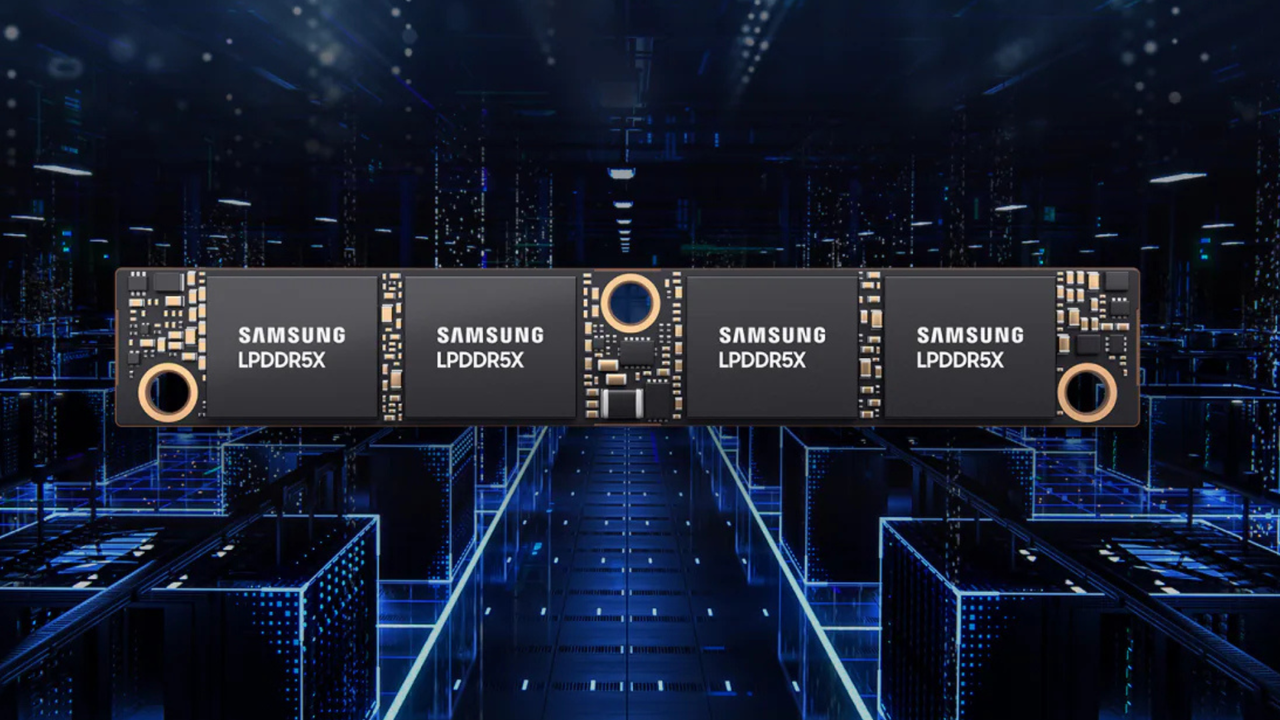
When Samsung Electronics and SK hynix, the twin pillars of South Korea’s chip industry, handed out extraordinary bonuses to hold onto talent in a white-hot labour market, the country’s central bank did not see a cause for celebration. Instead, it saw a macroeconomic risk: those extra cheques, it warned, could push inflation significantly above the 2% target in 2024.
What the data say – and what they don’t
The Bank of Korea’s statement is brief. It classifies rising wages in the semiconductor sector, driven largely by the bonuses paid at the start of the year, as one of the factors that will keep full‑year inflation “significantly above the 2% target”. There is no exact figure for the bonus pools, but the political weight is clear: in a country where the cost of living is already sensitive, the very success of the tech industry risks spilling over into broader price hikes.
Samsung and SK hynix together dominate global production of DRAM and NAND memory, components that have returned to centre stage with the explosion of AI workloads. High-bandwidth memory (HBM), in particular, has become essential for the accelerator GPUs that train and run inference for Large Language Models. Keeping top engineers on the payroll with packages that fend off competitors is now a strategic imperative.
Why this matters for on‑premise deployments
For businesses evaluating or running self‑hosted LLM infrastructure, the alarm from Seoul is not background noise. Any upward pressure on labour costs in chip manufacturing eventually feeds into the final price of servers, accelerators and memory modules. In an on‑premise deployment, where hardware absorbs the largest share of CapEx, even modest percentage changes can upend careful Total Cost of Ownership calculations.
The issue goes beyond a single technology generation. Wafer‑supply bottlenecks, competition for advanced nodes and packaging constraints for AI chips are already keeping prices high. Add structural wage inflation in the world’s primary memory‑chip hub, and the risk is that the cost gap between on‑premise solutions and cloud services – often already narrow for intensive, continuous workloads – widens unpredictably.
Supply chains and data sovereignty
There is another layer. Organisations that choose self‑hosted architectures often do so to retain full control over data, comply with regulations such as GDPR, or avoid vendor lock‑in. The viability of those choices depends in part on the predictability of hardware procurement costs. Imported inflation from South Korea, combined with energy‑price volatility and electronics tariffs, complicates multi‑year financial planning and may push some towards hybrid or dedicated‑hosting models, even when the strategic preference remains fully on‑premise.
The bigger picture
The bonuses at Samsung and SK hynix are not an isolated case. The global race for semiconductor talent is accelerating, with Taiwan, the United States and Japan launching multi‑year plans to train and retain skilled workers. Yet South Korea remains the epicentre of memory production, which is why any domestic tension ripples through the entire supply chain.
For those managing self‑hosted LLMs, the signal is plain: hardware costs – and therefore TCO – are never fully decoupled from macroeconomic dynamics. Keeping an eye on wage inflation in chip manufacturing, equipment lead times and foundry expansion plans provides a valuable informational edge when deciding whether to buy today or wait for the next procurement window. We have explored these themes on AI‑RADAR, where we offer frameworks to analyse the economic trade‑offs of on‑premise deployments – not to prescribe solutions, but to help ask the right questions before signing a purchase order.







💬 Comments (0)
🔒 Log in or register to comment on articles.
No comments yet. Be the first to comment!