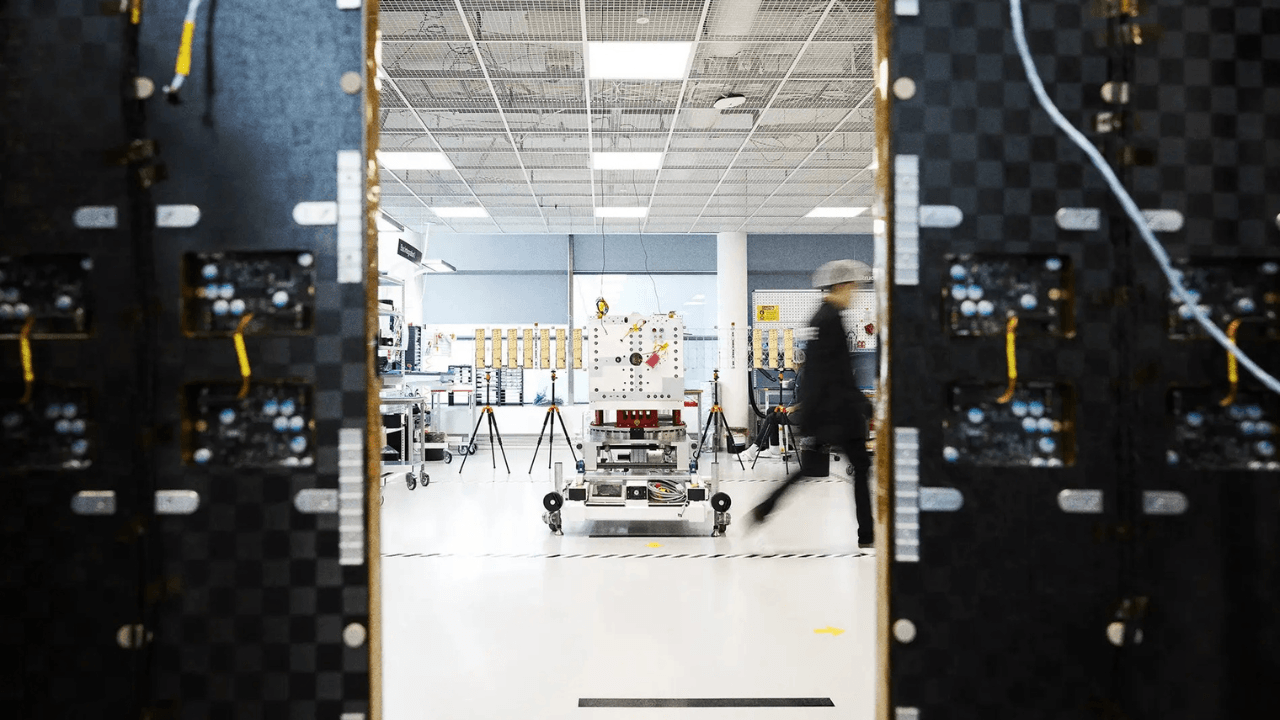
ICEYE Consolidates Leadership in Sovereign Space Intelligence with Mega-Funding Round
ICEYE, the Finnish spacetech company, has announced a significant capital injection, closing a Series F funding round that, including primary and secondary placements, exceeds €1 billion. The operation, led by General Atlantic, has valued ICEYE at over €10 billion, underscoring the growing strategic importance of the space intelligence sector. Among the new investors is Nokia, joining in a strategic role, alongside names such as Solidium, Tesi, Varma, Ilmarinen, Lifeline Ventures, Qatar Investment Authority (QIA), and TCV.
This influx of capital is earmarked to support ICEYE's global expansion and enhance its intelligence capabilities, responding to rapidly growing demand for sovereign intelligence systems and satellite data. The move reflects a broader trend towards autonomy and data control in critical sectors, a central theme also for deployment decisions regarding on-premise AI infrastructure, where data sovereignty and security are absolute priorities.
SAR Technology Serving Sovereignty and Control
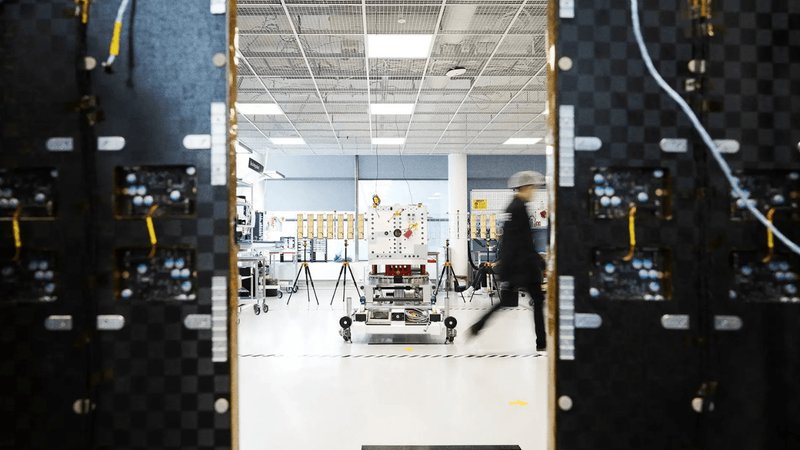
ICEYE is renowned for its SAR (Synthetic Aperture Radar) satellite constellation, the largest and most advanced in the world. These satellites provide persistent monitoring capabilities, enabling the detection and response to changes anywhere on Earth. ICEYE's services are employed in crucial sectors such as defense and intelligence, environmental monitoring, insurance, and emergency management. The ability to provide real-time visibility and controlled data is fundamental for rapid and informed decisions.
A concrete example of this capability is the recent delivery of a fully operational sovereign space system to the Polish Armed Forces, completed in just 12 months from contract signing. This represents one of the fastest sovereign space deployments in history, and the model is now being replicated across Europe, the Middle East, and Asia. The speed and effectiveness of such deployments highlight the importance of dedicated and controlled infrastructures, a principle that resonates with the needs of those evaluating self-hosted AI solutions for sensitive workloads.
Context and Implications for Technological Sovereignty
The demand for sovereign intelligence from space is entering a new era, as emphasized by Rafal Modrzewski, Co-Founder & CEO of ICEYE. The ability to autonomously build and manage such systems is crucial for national security and technological resilience. Nokia's strategic investment, as highlighted by its President and CEO Justin Hotard, reinforces this perspective, noting how modern defense increasingly depends on combining trusted connectivity with real-time visibility. This synergy is seen as a key factor in advancing Europe's defense, resilience, and technological sovereignty.
For organizations and governments evaluating self-hosted alternatives to cloud for AI/LLM workloads, the ICEYE case offers a significant parallel. The need for data control, compliance, and the ability to operate in air-gapped environments are common drivers. The choice to invest in proprietary infrastructures, whether satellite-based or on-premise data centers, is often driven by the desire to mitigate risks associated with third-party dependence and to ensure full sovereignty over one's operations and information.
Future Prospects and Scalability
ICEYE has demonstrated remarkable growth, with revenues in 2025 exceeding €250 million and EBITDA over €100 million, supported by a contracted backlog of over €1.5 billion. The company is doubling its production capacity, moving from 50 satellites per year to a target of 100 units annually by 2028 and beyond, with a corresponding increase in launch cadence. This scalability is essential to meet growing demand and to deliver sovereign intelligence systems and data to governments and customers on an unprecedented scale.
The expansion of ICEYE's capabilities not only strengthens its leadership position but also highlights a global trend towards investing in dedicated infrastructures that ensure autonomy and control. This approach, which prioritizes sovereignty and resilience, is increasingly relevant in a technological landscape where data management and operational security have become absolute priorities for decision-makers in every sector, including those dealing with the deployment of Large Language Models and other critical AI applications.




💬 Comments (0)
🔒 Log in or register to comment on articles.
No comments yet. Be the first to comment!