Un LLM locale per la sicurezza del kernel Linux
Nel panorama dello sviluppo software, l'identificazione proattiva dei bug rappresenta una sfida costante, specialmente in progetti complessi come il kernel Linux. Recentemente, Greg Kroah-Hartman, una figura di spicco e maintainer stabile per lo sviluppo del kernel Linux, ha svelato maggiori dettagli su un nuovo strumento che sta già dimostrando la sua efficacia: il "gregkh_clanker_t1000". Questo bot, basato su un Large Language Model (LLM), è stato progettato per scovare vulnerabilità e difetti nel codice del kernel, e ha già contribuito a identificare numerosi bug nelle scorse settimane.
L'aspetto più interessante di questa iniziativa risiede nella sua architettura di deployment. A differenza di molte soluzioni AI che si affidano a infrastrutture cloud, il "gregkh_clanker_t1000" opera come un LLM locale. Questa scelta sottolinea una tendenza crescente nel settore tecnicico verso l'elaborazione AI on-premise, specialmente per carichi di lavoro che richiedono elevati standard di sicurezza, sovranità dei dati e controllo diretto sull'ambiente di esecuzione.
Dettagli tecnici del deployment on-premise
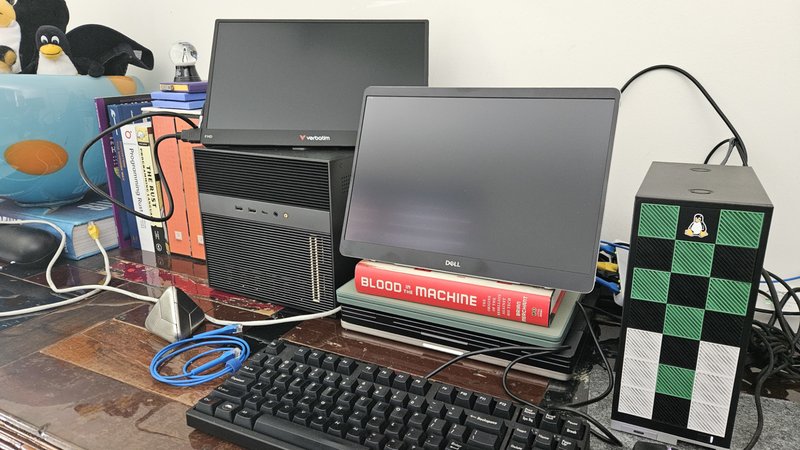
Il bot "gregkh_clanker_t1000" è stato implementato su un Framework Desktop, una piattaforma nota per la sua modularità e la possibilità di personalizzazione hardware. Il cuore computazionale di questa configurazione è rappresentato da un processore AMD Ryzen AI Max. Questa specifica combinazione hardware evidenzia come le soluzioni AI locali stiano diventando sempre più accessibili e performanti, anche al di fuori dei data center tradizionali.
L'utilizzo di un LLM in locale su hardware dedicato come l'AMD Ryzen AI Max offre vantaggi significativi per un'attività sensibile come l'analisi del kernel. Permette di mantenere il codice sorgente e i dati di analisi all'interno di un ambiente controllato, riducendo i rischi associati al trasferimento di informazioni sensibili verso servizi cloud esterni. Questo approccio è particolarmente rilevante per gli sviluppatori e le organizzazioni che necessitano di operare in contesti air-gapped o con stringenti requisiti di compliance e protezione dei dati.
Contesto e implicazioni per le aziende
Il caso del "gregkh_clanker_t1000" offre uno spunto importante per CTO, DevOps lead e architetti infrastrutturali che stanno valutando le strategie di deployment per i propri carichi di lavoro AI. La scelta di un LLM locale su hardware specifico, come quello di AMD, dimostra la fattibilità e i benefici di un approccio on-premise o edge per applicazioni critiche. Questo modello di deployment può tradursi in un maggiore controllo sulla latenza, sul throughput e, a lungo termine, sul Total Cost of Ownership (TCO), pur richiedendo un investimento iniziale in CapEx e competenze interne per la gestione dell'infrastruttura.
Per le aziende che operano in settori regolamentati o che gestiscono dati proprietari e riservati, la capacità di eseguire LLM in un ambiente self-hosted è fondamentale. Garantisce la sovranità dei dati e la conformità con normative come il GDPR, evitando le complessità e i potenziali rischi legati all'esternalizzazione dell'elaborazione AI. La disponibilità di hardware come l'AMD Ryzen AI Max, ottimizzato per l'accelerazione AI, sta democratizzando l'accesso a queste capacità, rendendo i deployment locali una valida alternativa alle soluzioni basate su cloud.
Prospettiva futura per l'AI on-premise
L'adozione di un LLM locale per un compito così critico come la ricerca di bug nel kernel Linux è un segnale forte della maturazione delle tecnicie AI per deployment on-premise. Questo esempio pratico, proveniente dal cuore dello sviluppo open source, convalida l'efficacia di soluzioni che prioritizzano il controllo, la sicurezza e l'efficienza operativa.
Man mano che l'hardware dedicato all'AI continua a evolversi, con miglioramenti in termini di VRAM, capacità di calcolo e efficienza energetica, ci si può aspettare una proliferazione di LLM e altri modelli AI eseguiti direttamente su server bare metal, workstation o dispositivi edge. Per chi valuta deployment on-premise, esistono trade-off significativi tra costi iniziali, gestione e benefici a lungo termine in termini di controllo e sicurezza, e risorse come i framework analitici offerti da AI-RADAR su /llm-onpremise possono aiutare a navigare queste decisioni strategiche.






💬 Commenti (0)
🔒 Accedi o registrati per commentare gli articoli.
Nessun commento ancora. Sii il primo a commentare!