The Vatican and the Ethics of Artificial Intelligence
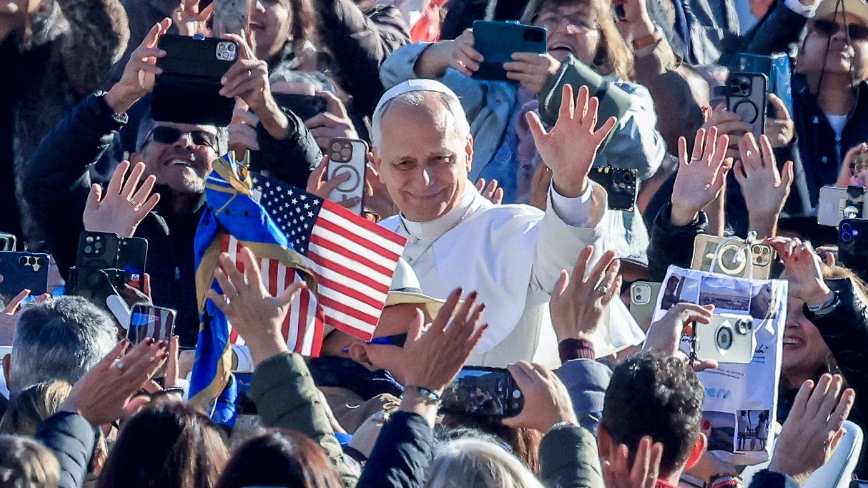
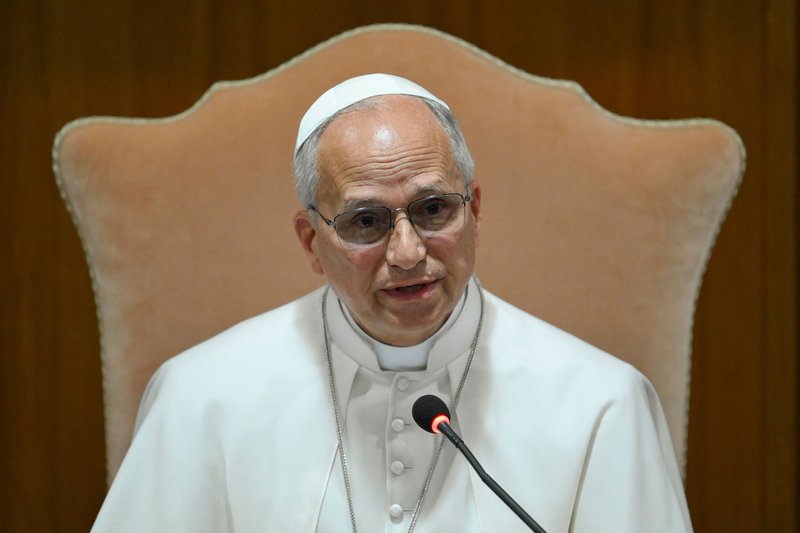
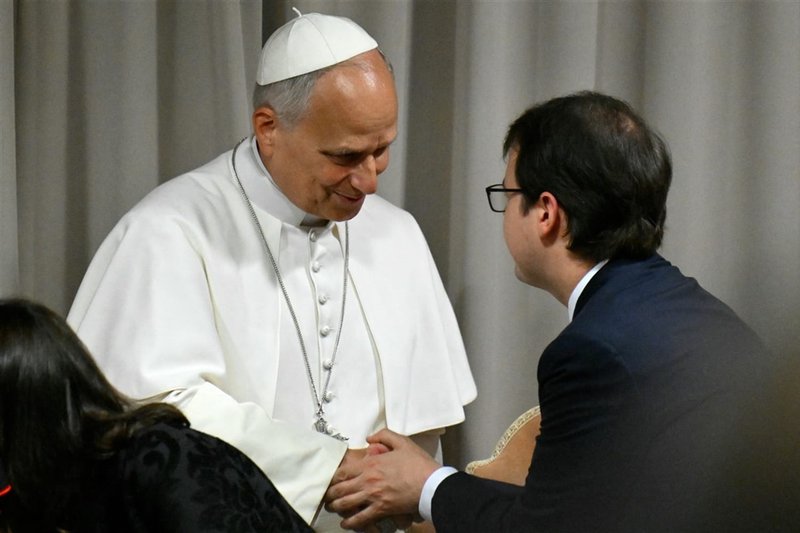
The Vatican has announced a significant event where Pope Leo XIV will present his first encyclical, titled “Magnifica Humanitas.” The presentation is scheduled for May 25 and will take place in the evocative setting of the Synod Hall in the Vatican. This initiative underscores the growing attention of global institutions towards the ethical and social implications of artificial intelligence, a topic that is rapidly gaining centrality in public and technological discourse.
A particularly significant aspect of the event is the participation of Christopher Olah, co-founder of Anthropic, one of the leading companies in the development of Large Language Models (LLMs). His presence as a speaker alongside the Pontiff highlights the desire to foster a constructive dialogue between the world of advanced technology and ethical and moral concerns, recognizing the need for direct engagement between the creators of these technologies and the thinkers who analyze their impact on society. The papal document will specifically focus on the protection of human dignity in the age of artificial intelligence, a crucial theme that touches upon fundamental aspects of our existence and our collective future.
The Contribution of LLMs to the Ethical Debate
Anthropic is recognized as a key player in the artificial intelligence landscape, particularly for its work on LLMs. These models, capable of understanding and generating text in a surprisingly sophisticated manner, are revolutionizing numerous sectors, from communication to customer service, from scientific research to content creation. Their widespread adoption and increasingly advanced capabilities raise complex questions regarding issues such as algorithmic bias, data privacy, the authenticity of information, and their impact on labor and society.
The participation of an Anthropic representative at such a significant event is not coincidental. It reflects the awareness that companies developing and deploying these technologies have an inherent responsibility in shaping their future and contributing to the definition of an ethical framework. Dialogue between developers and ethical thinkers is essential to address the challenges posed by LLMs, ensuring that their deployment occurs responsibly and that benefits are maximized while minimizing risks to human dignity and social values.
The Need for a Holistic Approach to AI
The Vatican's initiative is part of a global context of increasing attention to AI governance. Governments, international organizations, academia, and the private sector are all striving to establish principles, guidelines, and regulations for the ethical and safe use of artificial intelligence. The Vatican's approach adds a unique and morally grounded perspective to this debate, emphasizing the importance of considering not only the technical feasibility or economic potential of AI but also its profound anthropological and social implications.
A holistic approach to AI requires a multidisciplinary dialogue that includes philosophical, ethical, social, legal, and technological perspectives. It is essential that technology, while being a driver of progress and innovation, always serves humanity and not the other way around. This means addressing issues such as algorithmic transparency, accountability in cases of errors or harm, and ensuring that AI does not exacerbate existing inequalities or create new forms of discrimination. The protection of human dignity, as highlighted by the encyclical, must remain the guiding principle at every stage of AI development and deployment.
Future Prospects for AI Ethics
The May 25 event represents a significant meeting point between the religious and ethical sphere and the world of advanced technology. This collaboration is crucial for developing a robust and widely accepted ethical framework that can guide the responsible development and deployment of AI globally. The goal is to ensure that technological innovation aligns with fundamental human values and contributes to collective well-being, rather than undermining the principles upon which our societies are built.
The discussion on human dignity in the age of AI is a central theme that will require continuous commitment and collaboration among all stakeholders. The encyclical “Magnifica Humanitas” and the participation of key figures from the tech industry like Christopher Olah mark an important step towards building a future where artificial intelligence can be a force for good, developed and used with wisdom and responsibility. This open dialogue is fundamental for navigating the complexities of a technology that is redefining our world at an unprecedented pace.




💬 Comments (0)
🔒 Log in or register to comment on articles.
No comments yet. Be the first to comment!