Una Riscoperta Storica: Il Codice Sorgente di DOS
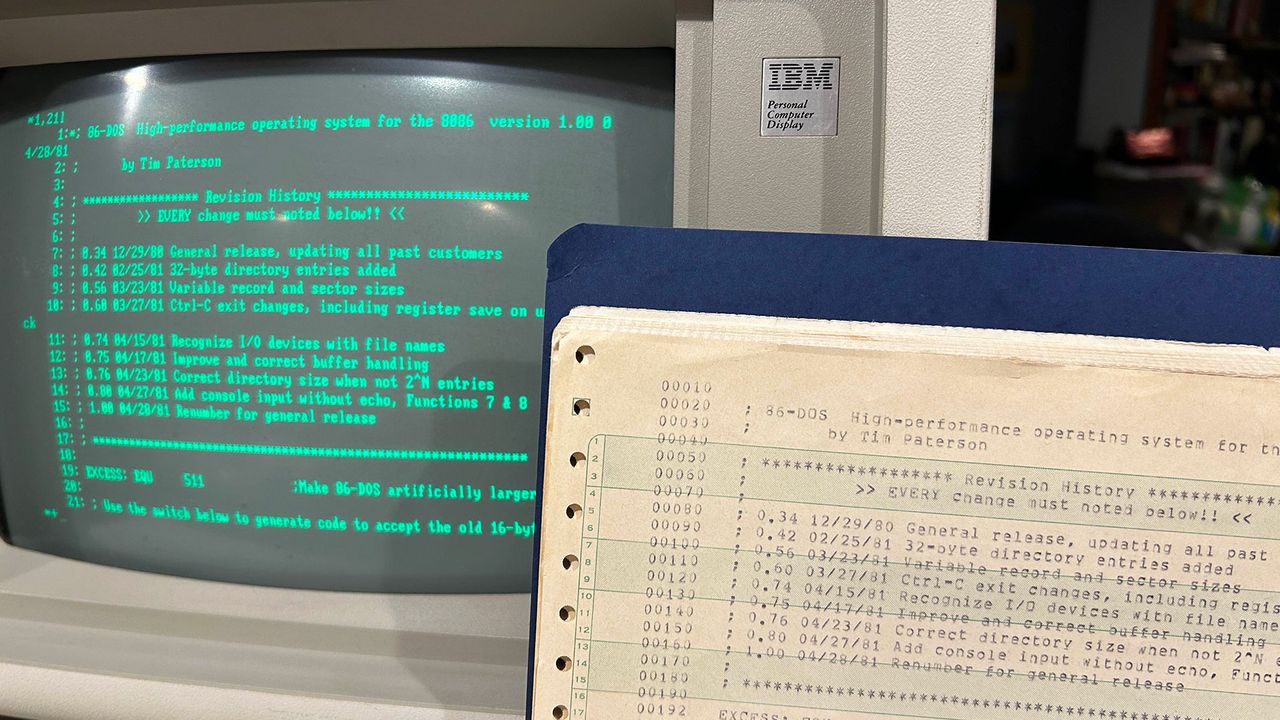
Quarantacinque anni dopo la sua genesi, un pezzo fondamentale della storia dell'informatica è riemerso: il codice sorgente della primissima versione di DOS. Questo ritrovamento eccezionale, avvenuto in un garage e trascritto da una pila di vecchi stampati, offre una prospettiva unica sulle origini dei sistemi operativi che hanno plasmato l'era del personal computer. La decisione di rendere questo codice Open Source segna un momento significativo, non solo per gli storici dell'informatica ma per l'intera comunità tecnicica.
La disponibilità di questo codice permette agli sviluppatori e agli appassionati di esplorare le architetture e le logiche di programmazione che stavano alla base dei sistemi operativi pionieristici. Comprendere come erano strutturati questi primi software può fornire intuizioni preziose anche per chi oggi progetta infrastrutture complesse, inclusi i deployment on-premise per carichi di lavoro AI.
La Trascrizione di un'Era Digitale
Il processo di recupero di questo codice non è stato banale. La fonte originale, una serie di stampati cartacei, ha richiesto un'attenta trascrizione manuale per essere convertita in un formato digitale utilizzabile. Questo sforzo sottolinea l'importanza della conservazione del patrimonio digitale, spesso sottovalutata in un'epoca di rapida obsolescenza tecnicica. La dedizione nel riportare alla luce queste righe di codice evidenzia il valore intrinseco della conoscenza tecnica e della sua trasmissione.
La trascrizione non è solo un atto di archeologia informatica, ma anche un ponte tra le generazioni di sviluppatori. Permette di apprezzare l'ingegno e le soluzioni adottate in un'epoca in cui le risorse hardware erano estremamente limitate, un contesto che può ispirare approcci innovativi anche nelle sfide attuali legate all'ottimizzazione delle performance e al TCO in ambienti di calcolo intensivo.
Il Valore dell'Open Source e la Conservazione del Patrimonio
La scelta di rendere il codice sorgente di 86-DOS 1.00 Open Source è coerente con i principi di trasparenza e collaborazione che guidano gran parte dell'innovazione tecnicica odierna. L'Open Source non è solo un modello di sviluppo, ma anche un potente strumento per la conservazione storica, garantendo che il software possa essere studiato, modificato e adattato nel tempo, prevenendo la perdita di conoscenze fondamentali.
Per le aziende e i team che valutano deployment on-premise, la filosofia Open Source offre vantaggi significativi in termini di controllo, personalizzazione e riduzione della dipendenza da fornitori specifici. Sebbene il codice DOS non sia direttamente applicabile ai moderni LLM o ai framework di intelligenza artificiale, la sua apertura fornisce un esempio lampante di come la condivisione della conoscenza possa arricchire l'intero ecosistema tecnicico, dalle fondamenta ai sistemi più avanzati.
Implicazioni per la Comunità Tecnica
La disponibilità del codice sorgente di DOS rappresenta un'opportunità unica per la comunità tecnica. Studiare questo codice può offrire lezioni preziose sull'efficienza, sulla gestione delle risorse e sulla progettazione di sistemi con vincoli stringenti. Questi principi sono ancora estremamente rilevanti oggi, specialmente per chi si occupa di ottimizzare l'inference di LLM su hardware con VRAM limitata o di progettare pipeline di dati efficienti in ambienti air-gapped.
La riscoperta e l'Open Source di questo codice non solo celebrano un anniversario importante, ma rafforzano anche l'idea che la comprensione del passato sia cruciale per costruire il futuro. Per chi opera nel settore dell'infrastruttura e dei sistemi, è un promemoria del valore duraturo delle fondamenta del computing e dell'importanza di preservare e condividere la conoscenza tecnica.





💬 Commenti (0)
🔒 Accedi o registrati per commentare gli articoli.
Nessun commento ancora. Sii il primo a commentare!