A Technological Treasure Emerges from History
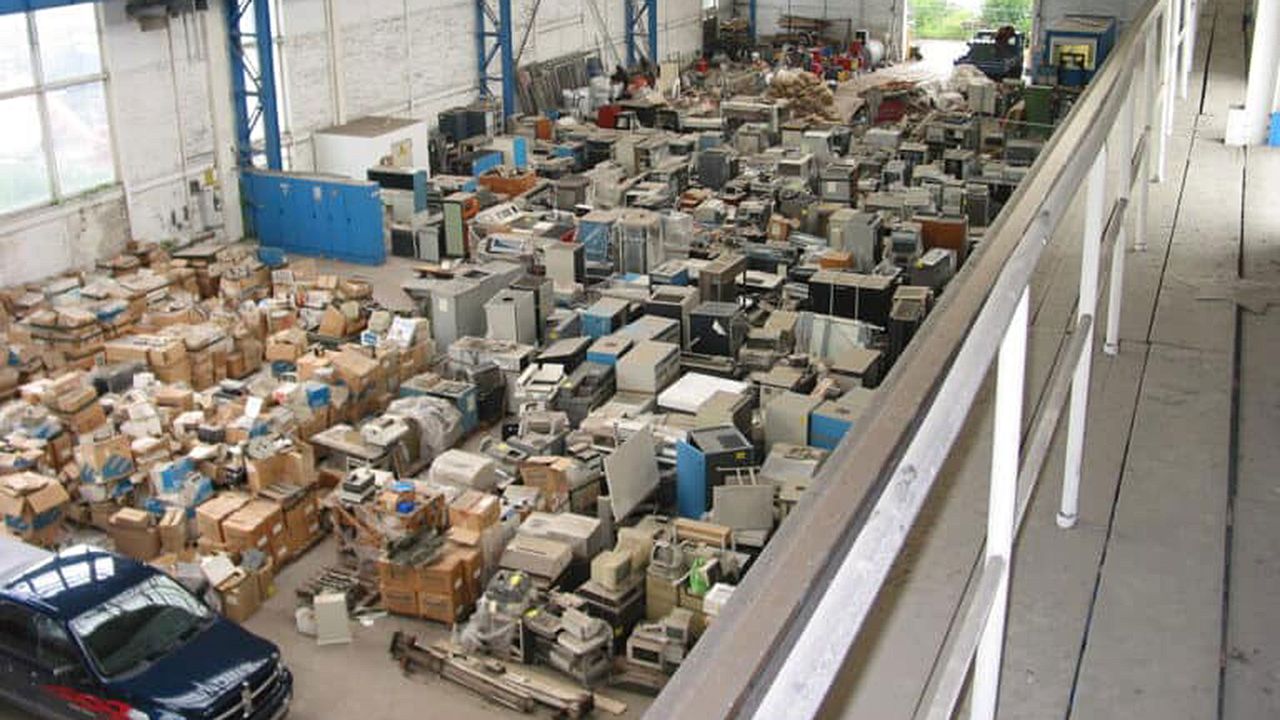
The Computer History Museum recently unveiled details of an extraordinary recovery operation that brought to light an “astonishing” collection of over 2,000 historic artifacts. These relics, spanning a significant period from the 1930s to the 1980s, were discovered in an abandoned warehouse in Germany, representing a time capsule for the evolution of computing and technology.
The scale of the find is such that transporting the entire collection required no less than seven tractor-trailers, underscoring the vastness and diversity of the recovered material. This event not only enriches the museum's heritage but also offers new perspectives on the history of technological development during a crucial era.
Recovery Details and Historical Context
The recovery of this impressive collection was triggered by an unexpected event: a World War II bomb scare. This fortuitous circumstance led to the discovery of the warehouse and its valuable contents, adding a dramatic element to an already remarkable story. While specific details of each individual artifact have not yet been disclosed, the origin and historical period indicated suggest the presence of early calculating machines, mainframe computers, data processing systems, and perhaps even rare prototypes or components that marked fundamental stages of the digital age.
The collection, spanning five decades, offers a unique insight into the innovations that laid the groundwork for modern technology. From the pre-war period, with the first electromechanical machines, to the dawn of the personal computer era in the 1980s, each piece contributes to reconstructing the narrative of how humanity learned to process information in increasingly sophisticated ways.
The Importance of Digital and Material Preservation
The discovery of such a material archive underscores the crucial importance of historical preservation in the field of technology. In an era where innovation is rapid and often ephemeral, the ability to conserve and study physical artifacts from the past is fundamental to understanding the roots of current technologies. These objects are not just museum pieces; they are tangible testimonies to the engineering efforts, design challenges, and visions that shaped the world we live in.
For companies and professionals currently dealing with infrastructure and deployment, the history of technology offers valuable lessons. Understanding the evolution of systems, from early computers to modern on-premise LLMs, helps contextualize current challenges related to scalability, efficiency, and data sovereignty. Although this specific find does not directly concern hardware for AI inference, it reinforces the value of documenting and preserving technical knowledge, a principle also applicable to contemporary technology stacks.
Future Prospects for Research and Exhibition
The Computer History Museum now faces the monumental task of cataloging, restoring, and studying these over 2,000 artifacts. This process will require years of work by experts and historians but promises to reveal new insights into the history of computing. The collection could become an invaluable resource for researchers, students, and enthusiasts, offering unique opportunities to explore the evolution of silicon and software.
In the future, it is likely that parts of these artifacts will be exhibited to the public, allowing a broad audience to appreciate the complexity and ingenuity of past generations of innovators. This discovery is not just a success for the Computer History Museum, but a promise for all who believe in the value of history to illuminate the future of technology.







💬 Comments (0)
🔒 Log in or register to comment on articles.
No comments yet. Be the first to comment!