A Wave of Investment and Consolidation in European Tech
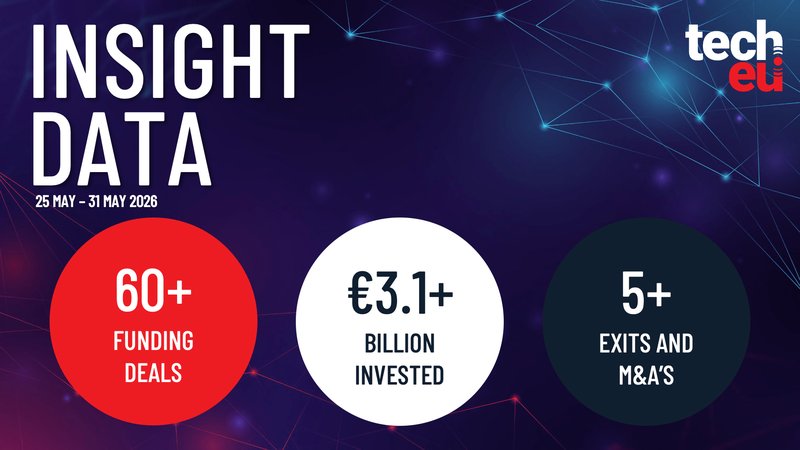
The past week witnessed intense activity across the European technology landscape, with over 60 funding deals exceeding €3.1 billion and more than five acquisitions, mergers, and related news stories. This dynamism underscores the vitality and diversification of the ecosystem, which continues to attract significant capital into key sectors. Among the most notable operations were the $240 million round for Germany's Focused Energy, alongside the £81 million raised by the UK's IQE plc, and the $58 million secured by Italy's WeRoad to expand its real-world travel experiences.
These investments not only fuel the growth of promising startups but also reflect persistent confidence in the continent's innovative potential. The ability to attract such substantial capital is crucial for the development of new technologies and for maintaining a competitive position globally, especially in research and development-intensive fields.
Specialized AI and the Deployment Debate
The artificial intelligence sector has been at the heart of significant strategic moves. The acquisition of Denmark's Visiopharm by Finland's Grundium, aimed at creating an end-to-end AI precision pathology platform, is a prime example of how companies are focusing on vertical and highly specialized solutions. This approach often demands granular control over infrastructure and data, elements that can favor on-premise or hybrid deployment strategies.
An even more intriguing signal for AI infrastructure professionals is the announcement of Voxmind's £546,000 pre-seed funding, occurring as "cloud giants" exit the voice biometrics market. This trend suggests that for certain critical AI applications, such as biometrics, companies might prefer self-hosted solutions or specialized providers offering greater control over privacy, latency, and operational costs, rather than relying on generic cloud services. Furthermore, the news that egora and Tandem Health CEOs "reject the threat" of Anthropic and OpenAI indicates a growing openness to alternatives to dominant Large Language Models (LLM), pushing towards more customized or Open Source solutions that can be managed locally.
Market Trends and the Question of Sovereignty
The European market also exhibits dynamics of geographical and strategic repositioning. London has regained its leading position in the European tech sector, surpassing Paris, an indicator of its resilience and attractiveness to investors and talent. However, this leadership is contrasted by the trend, highlighted in the source, of nearly a third of European founders considering relocating their headquarters to the United States. This phenomenon raises questions about Europe's ability to retain and grow its technological excellence.
In response to these challenges, initiatives like "Desafía Ciencia" launched by ICEX in Spain aim to promote the internationalization of scientific spin-offs in the United Kingdom, seeking to strengthen ties and opportunities within the continent. For companies operating with AI workloads, the choice of location and regulatory context is closely linked to data sovereignty and compliance, crucial aspects for deployments requiring high standards of security and control.
Outlook for AI Infrastructure and TCO
The emerging picture is one of a vibrant European ecosystem, where investments continue to flow and acquisitions shape new sectors, particularly in AI. The increasing specialization of AI applications, coupled with the need for data control and the search for alternatives to generalist cloud services, emphasizes the importance of carefully evaluating deployment strategies. For CTOs, DevOps leads, and infrastructure architects, the choice between on-premise, hybrid, or cloud solutions has never been more complex, requiring in-depth analysis of Total Cost of Ownership (TCO), hardware specifications, and sovereignty requirements.
The evolution of the market, with players withdrawing from specific segments and others emerging with targeted solutions, suggests that the future of AI will be increasingly modular and distributed. This scenario offers new opportunities for those capable of managing flexible and high-performing AI infrastructures, capable of balancing innovation, security, and economic sustainability.






💬 Comments (0)
🔒 Log in or register to comment on articles.
No comments yet. Be the first to comment!