Il Pentagono accelera sulle armi laser ad alta energia
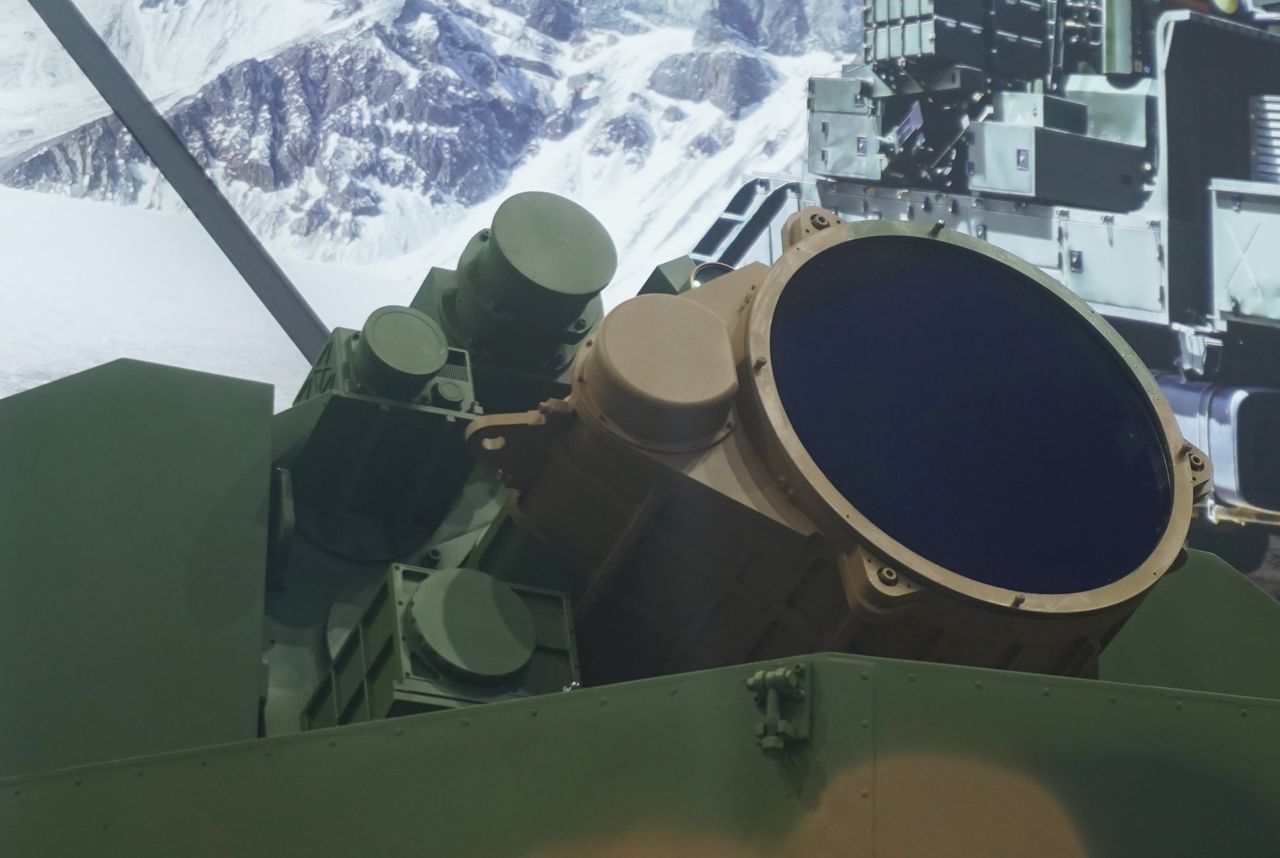
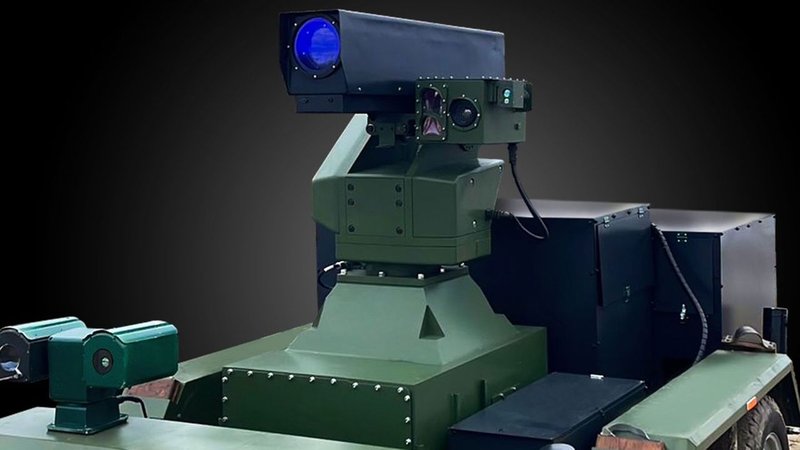
Documenti di bilancio recentemente resi pubblici dal Pentagono rivelano un'accelerazione significativa nello sviluppo di sistemi d'arma laser ad alta energia. L'attenzione si concentra su soluzioni containerizzate, capaci di erogare una potenza superiore ai 300 kilowatt. Questi sistemi rappresentano un pilastro fondamentale per il Joint Laser Weapon System, un'iniziativa ambiziosa progettata specificamente per intercettare e neutralizzare missili da crociera.
Questo programma rientra nell'ambito più ampio della Golden Dome, un'iniziativa di difesa missilistica che prevede un investimento complessivo di 17,9 miliardi di dollari. L'impegno del Dipartimento della Difesa statunitense verso queste tecnicie sottolinea una chiara direzione strategica: integrare capacità di difesa avanzate e reattive, capaci di affrontare minacce aeree complesse e in rapida evoluzione.
Dettagli tecnici e capacità operative
Il requisito di una potenza superiore a 300kW per questi sistemi laser non è casuale. Tale soglia è considerata critica per garantire la capacità di ingaggiare efficacemente bersagli veloci e manovrabili come i missili da crociera, richiedendo un'energia sufficiente per danneggiare o distruggere la loro struttura o i loro sistemi interni in tempi estremamente brevi. La natura "containerizzata" del design suggerisce una forte enfasi sulla modularità, sulla facilità di trasporto e sul deployment rapido in diversi contesti operativi, sia a terra che potenzialmente su piattaforme navali o aeree.
La sfida tecnica dietro lo sviluppo di laser di questa potenza, mantenendo al contempo dimensioni e requisiti energetici gestibili, è considerevole. Richiede progressi non solo nella generazione del fascio laser, ma anche nei sistemi di puntamento e tracciamento di precisione, nella gestione termica e nell'integrazione con le architetture di comando e controllo esistenti. Questi aspetti sono cruciali per tradurre una capacità teorica in un sistema d'arma efficace e affidabile sul campo.
Contesto strategico e implicazioni per il deployment
L'investimento in armi a energia diretta, come i laser, riflette una tendenza più ampia nel settore della difesa, volta a esplorare alternative ai sistemi missilistici tradizionali. I vantaggi potenziali includono costi per ingaggio inferiori, la capacità di effettuare ingaggi multipli e una riduzione dei rischi logistici associati al trasporto e allo stoccaggio di munizioni esplosive. Tuttavia, l'adozione di queste tecnicie comporta anche nuove sfide, in particolare per quanto riguarda la disponibilità di energia, la resistenza alle condizioni ambientali avverse e la necessità di un'infrastruttura di supporto robusta.
Per chi valuta il deployment di sistemi complessi, anche in contesti non militari, l'esperienza del Pentagono offre spunti rilevanti. La scelta di soluzioni "on-premise" o "self-hosted" per sistemi critici, come questi laser, è dettata da esigenze di sovranità, controllo e sicurezza. Il TCO di tali sistemi non si limita al costo iniziale dell'hardware, ma include anche le spese operative per energia, manutenzione e aggiornamenti, aspetti che AI-RADAR analizza per i carichi di lavoro AI/LLM su /llm-onpremise. La capacità di operare in ambienti "air-gapped" o con connettività limitata è un altro fattore chiave, che spinge verso soluzioni autonome e resilienti.
Prospettive future per la difesa ad energia diretta
Il Joint Laser Weapon System e l'iniziativa Golden Dome rappresentano un passo significativo verso la maturazione delle armi a energia diretta. Sebbene la tecnicia laser ad alta potenza sia in fase di sviluppo da decenni, l'attuale livello di investimento e l'enfasi su specifiche capacità operative indicano una crescente fiducia nella sua fattibilità e efficacia. La capacità di intercettare missili da crociera con un'arma laser potrebbe alterare gli equilibri strategici, offrendo nuove opzioni per la difesa aerea e missilistica.
Il percorso verso il deployment su larga scala richiederà ulteriori innovazioni e test rigorosi. Tuttavia, l'impegno finanziario e la chiara definizione degli obiettivi da parte del Pentagono suggeriscono che le armi laser da oltre 300kW sono destinate a diventare una componente sempre più rilevante nell'arsenale difensivo del futuro, con implicazioni che vanno oltre il mero aspetto militare, toccando temi di infrastruttura energetica e resilienza tecnicica.





💬 Commenti (0)
🔒 Accedi o registrati per commentare gli articoli.
Nessun commento ancora. Sii il primo a commentare!