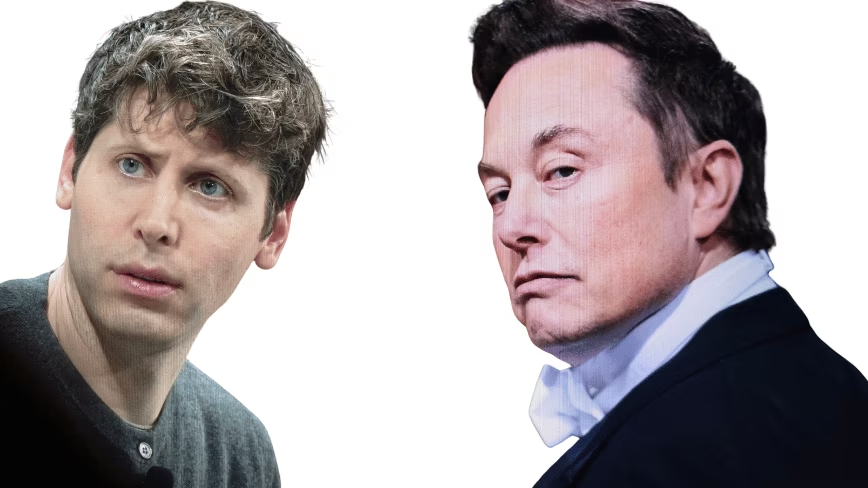
The Opening of an Epochal Trial in the Tech World
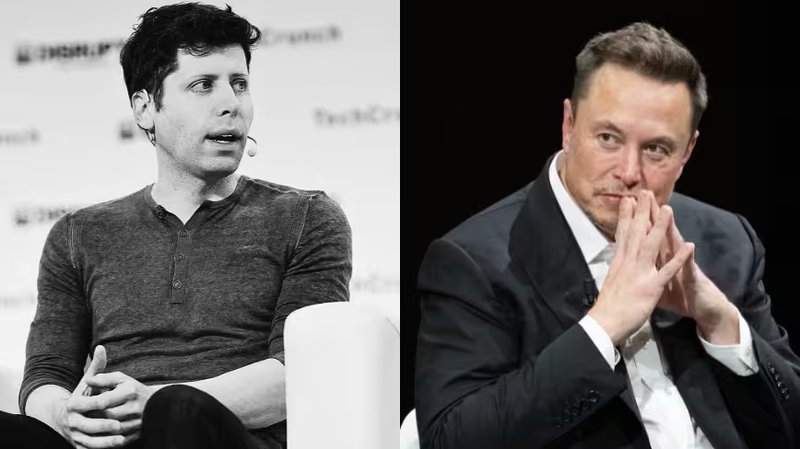
On Tuesday morning, in an Oakland federal courtroom, what has been described as "the most consequential technology trial in a generation" commenced. At the heart of the legal dispute are two prominent figures in the industry, Elon Musk and Sam Altman, co-founders of OpenAI, the company that has revolutionized the artificial intelligence landscape with its Large Language Models (LLM).
The trial's opening saw Steven Molo, Elon Musk's lead trial lawyer, present a direct and incisive accusation. "Ladies and gentlemen, we are here today because the defendants in this case stole a charity," Molo told the nine-person advisory jury. This statement immediately highlighted the controversial nature of OpenAI's origins and evolution, casting a shadow over its foundations and initial mission.
The Roots of the Conflict and OpenAI's Transformation
The litigation is rooted in the history of OpenAI, founded in 2015 with the stated goal of developing artificial intelligence for the benefit of humanity, as a non-profit organization. However, over the years, the company underwent a significant transformation, adopting a "capped-profit" model and attracting substantial investments, which led to its rapid rise as a leader in the LLM sector.
This evolution generated tensions and questions about fidelity to the original mission, particularly from Elon Musk, who contributed financially to the project's initial phase. The legal dispute reflects a broader discussion within the AI industry regarding the balance between ethical research, open-source development, and the increasing pressure for commercialization and monetization of cutting-edge technologies. The case highlights how initial ambitions can clash with market realities and competitive dynamics.
Implications for CTOs and Decision-Makers: Governance and TCO
For CTOs, DevOps leads, and infrastructure architects, the governance and stability of the entities developing foundational Large Language Models (LLM) are critical factors. Litigation of this magnitude can influence the perception of reliability and the continuity of support for the models and Frameworks used. Trust in the strategic direction and ownership structure of LLM providers becomes essential for long-term planning.
This indirectly impacts the Total Cost of Ownership (TCO) of AI deployments. Legal or business uncertainty can lead to unforeseen costs related to the need to migrate to alternative solutions or retrain teams. For those evaluating on-premise deployments, transparency regarding the strategic direction and ownership structure of LLM providers is crucial to mitigate risks related to data sovereignty and compliance, especially in air-gapped or self-hosted environments. AI-RADAR offers analytical frameworks on /llm-onpremise to evaluate these trade-offs, providing tools for an in-depth analysis of self-hosted alternatives versus cloud solutions.
The Future of Artificial Intelligence Between Ethics and Profit
The outcome of the Musk-Altman trial will undoubtedly have significant repercussions not only for the parties involved but for the entire artificial intelligence ecosystem. It could set new legal precedents and influence how AI startups are funded, governed, and how they balance profit objectives with ethical and social responsibilities.
This dispute underscores the importance of a clear strategic vision in the adoption and deployment of AI technologies. Regardless of the outcome, the debate over the origins, mission, and future direction of leading companies in the sector will continue to shape investment decisions and implementation strategies for businesses seeking to integrate LLMs into their operations.






💬 Comments (0)
🔒 Log in or register to comment on articles.
No comments yet. Be the first to comment!