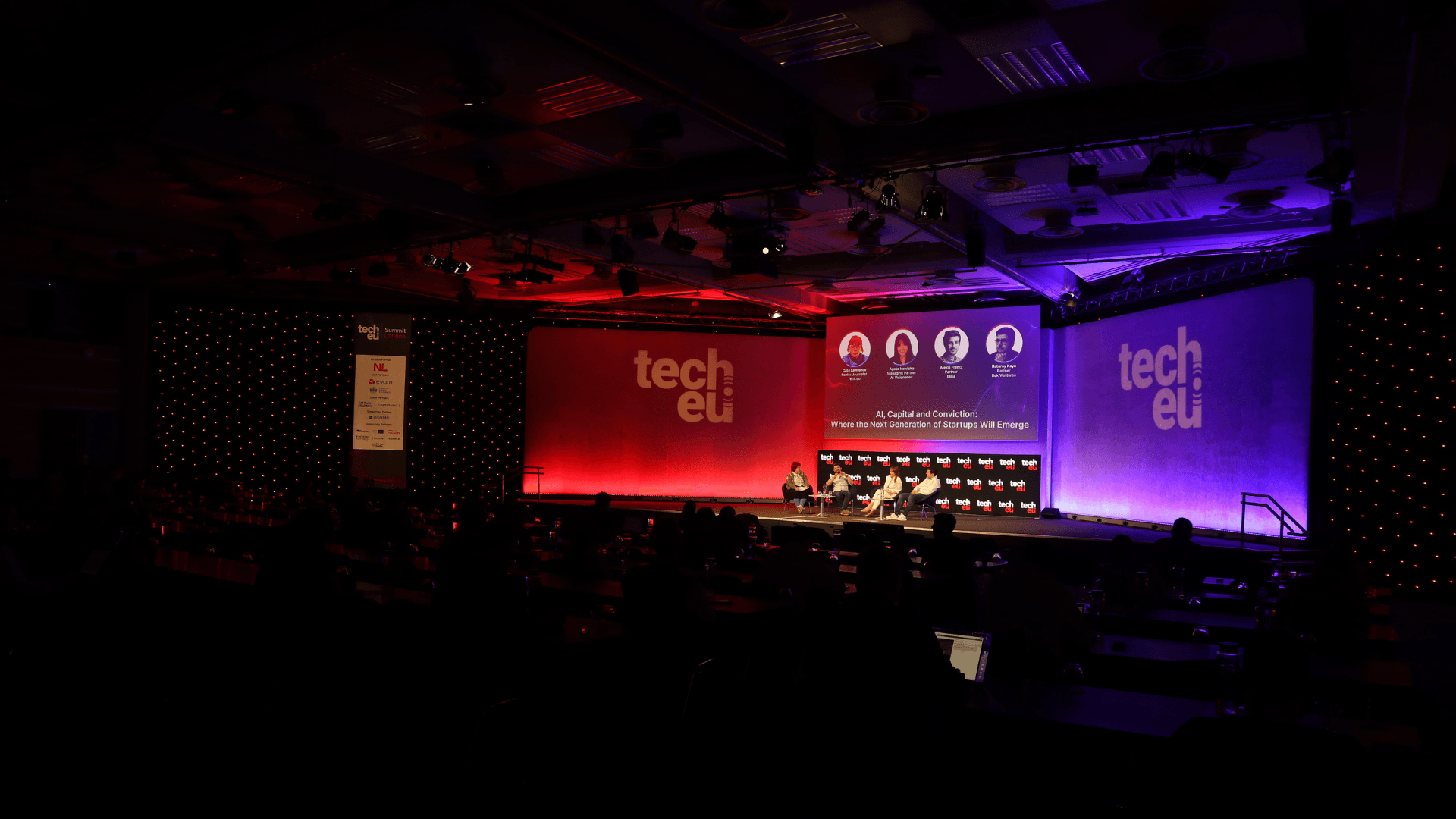
The Tech.eu Summit London 2026: A Focus on European Dynamics
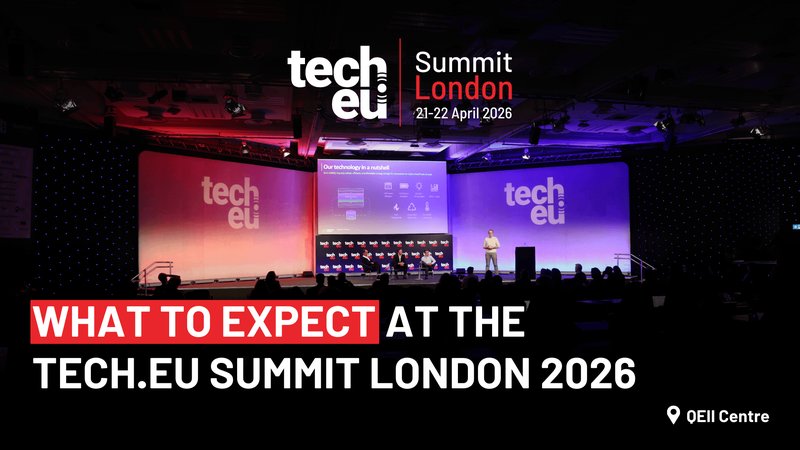
The Tech.eu Summit London 2026 concluded on April 22 at the Queen Elizabeth II Centre in London, offering a second day rich in sessions that delved into the main trends of the technology sector. Following a first day dedicated to AI, enterprise software, and Europe's competitive positioning, the second day shifted its focus to Fintech, Healthtech, capital markets, agentic commerce, and the future of deeptech on the continent.
The day's opening saw Helen Walsh and Arda Kutsal welcome attendees, outlining a program centered on the strategic decisions shaping the next phase of European technology. This context is particularly relevant for technical decision-makers who must navigate innovation and infrastructure requirements, often evaluating the implications of on-premise deployment versus cloud solutions to ensure data control and sovereignty.
Artificial Intelligence at the Core of Discussions
AI dominated many sessions, highlighting its transformative impact across various sectors. Magali Van Bulck from Wise opened the day with an analysis of the Fintech landscape in the UK, emphasizing the regulatory dynamics and market conditions influencing financial technology companies. The application of AI in Healthtech was explored by Stuart Peak (HeliosX), Randal Whitmore (Ada Health), Naseem Moumene (Northzone), and Cate Lawrence (Tech.eu), who discussed how AI is improving patient outcomes and accelerating diagnoses. Creating patient-facing AI products presents unique challenges, especially in terms of privacy and compliance, aspects that often push organizations to consider self-hosted or hybrid architectures for their LLMs and data pipelines.
A panel with Michael Tefula (Ada Ventures), Danae Shell (Valla), and Tamara Djurickovic (Tech.eu) examined how AI is rewriting the fundraising process, from pitch preparation to the required technical literacy. In parallel, Malin Posern (Project A Ventures) and Jack Miller (Nettle) addressed the potential of AI in the commercial insurance sector, a vast market but traditionally risk-averse and tied to legacy infrastructure. Here, the ability to integrate AI solutions into existing, often on-premise, environments becomes a critical success factor.
Markets, Regulation, and Growth in Europe
The sessions also touched upon fundamental themes for the growth and scalability of technology enterprises. Axel Kalinowski of the London Stock Exchange Group illustrated the role of European capital markets in supporting tech companies, while Jessica Lennard of the Competition and Markets Authority discussed how competition policy influences the scalability of technology businesses in an AI-driven economy. These aspects are crucial for CTOs and infrastructure architects, as investment decisions and market policies can directly impact the availability of capital for the hardware and infrastructure necessary for AI deployments.
Sam Ross from Remote presented an analysis of the intersection between AI, regulation, and the future of work, highlighting the legal and regulatory challenges companies face operating across multiple jurisdictions. This discussion is particularly pertinent for those managing sensitive AI workloads, where data sovereignty and compliance (such as GDPR) are non-negotiable requirements, often addressed through air-gapped or self-hosted deployments. Luca Cartechini (Shop Circle), Shaun O'Mahony (Xapien), and John Reynolds (Tech.eu) delved into the question of accountability in agentic AI systems, a topic that raises fundamental ethical and commercial questions about who holds control and responsibility for automated decisions.
Future Perspectives and Deployment Challenges
The summit also offered a glimpse into market exit dynamics and the evolution of the agentic enterprise. Rose Hulse (ScreenHits TV), Julien-David Nitlech (IRIS), Kate McGinn (Seedcamp), and Akansha Dimri (Tech Funding News) debated exit decisions, while Nikola Mrksic (PolyAI) explored how AI agents are challenging entire categories of enterprise software, placing customer experience at the heart of this transformation. Xavier Collins (WonderStudios) and Ziv Reichert (Phoenix Court) discussed the future of creative production, highlighting how AI tools are changing the economics of content creation and the role of human creativity.
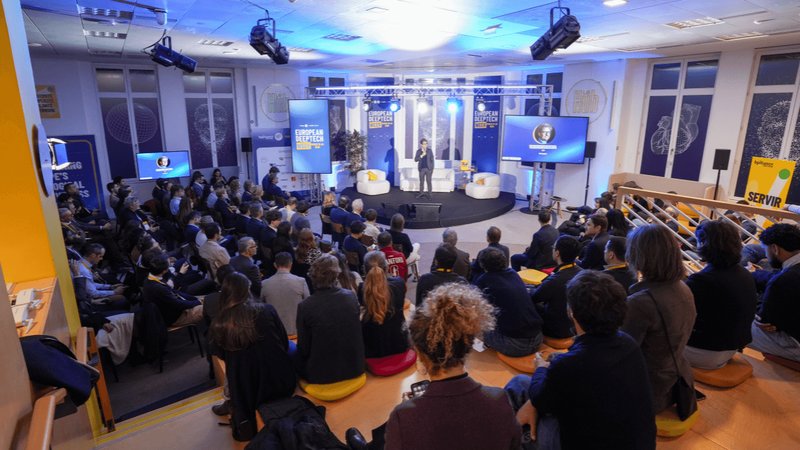
The day concluded with a panel on scaling deeptech companies across Europe, featuring Tero Sarkkinen (Basemark), Harshit Krishna (Multiverse Computing), Louis Mather (Axelera AI), and Jean-Michel Deligny (Triple B). The discussion covered commercialization challenges, capital intensity, and the need to build category-defining companies at the frontier of technology. For professionals evaluating the implementation of LLMs and AI solutions, these discussions underscore the importance of considering TCO, hardware specifications (such as GPU VRAM), and infrastructure architecture (bare metal, Kubernetes clusters) from the earliest design stages, to ensure long-term scalability and control.




💬 Comments (0)
🔒 Log in or register to comment on articles.
No comments yet. Be the first to comment!