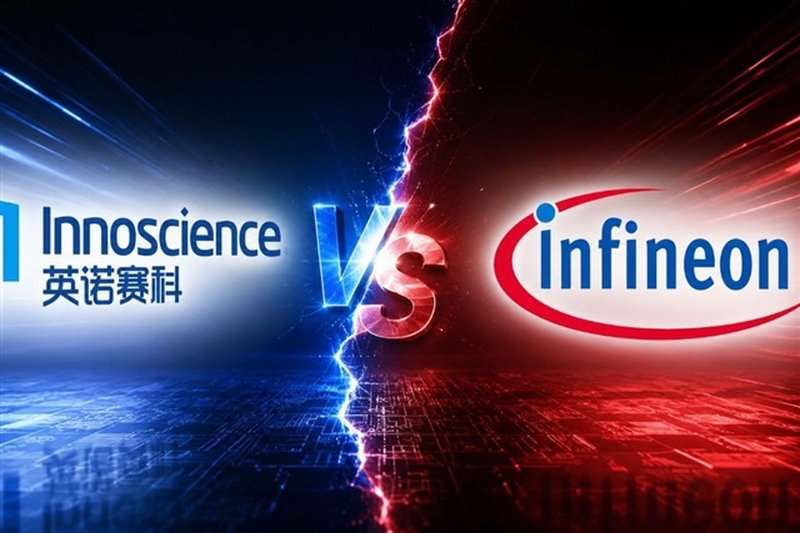
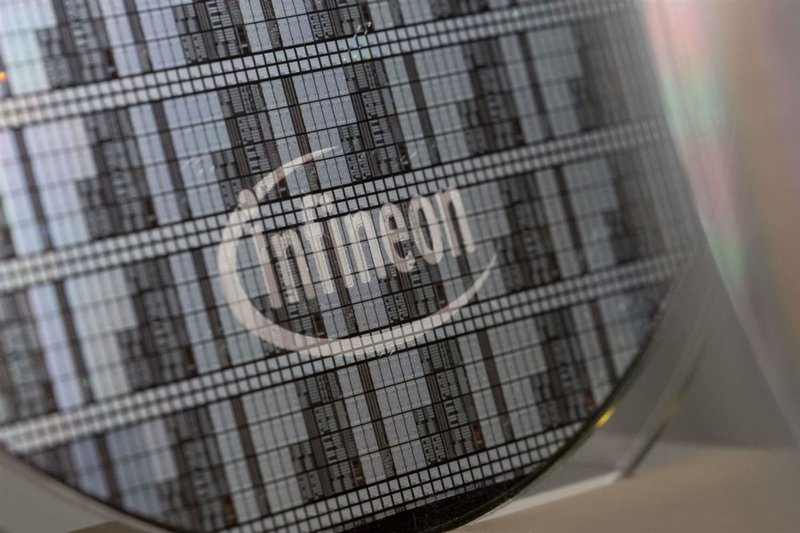
The long-running patent battle between Infineon and Innoscience over gallium nitride (GaN) semiconductor technology has reached a new milestone. The German company secured its fourth consecutive win in a German court, while the legal fight now also heats up in Shanghai, turning a European dispute into a global confrontation.
GaN is a wide-bandgap material that is displacing silicon in many power components. Its ability to switch at higher frequencies with lower energy losses makes it ideal for power supplies, converters, and charging systems. In the datacenter world, where workloads for training and inference of Large Language Models push infrastructure to its limits, energy efficiency is not a minor detail but a direct lever on Total Cost of Ownership. Reducing the watts dissipated as heat also cuts cooling costs – a decisive factor for anyone evaluating on-premise or hybrid deployments.
The stakes for both companies are high. Infineon holds a deep patent portfolio and is challenging Innoscience, a China-based startup, over intellectual property on technologies that could become standard in server power supplies. If the cost or availability of GaN components were disrupted by prolonged litigation, infrastructure expansion plans could face unexpected delays or expense increases. It is no coincidence that the dispute now extends to the Chinese market, where AI hardware production is growing rapidly and the regulatory landscape is equally complex.
For those managing on-premise AI infrastructure, the message is clear: hardware choices involve not just GPUs and interconnects, but the entire power chain. The outcome of these lawsuits could influence the adoption roadmap for GaN, with ripple effects on projects aiming to maximize compute density while keeping consumption in check. As the legal saga continues, the industry watches for signals that could reshape the supply of strategic components.




💬 Comments (0)
🔒 Log in or register to comment on articles.
No comments yet. Be the first to comment!