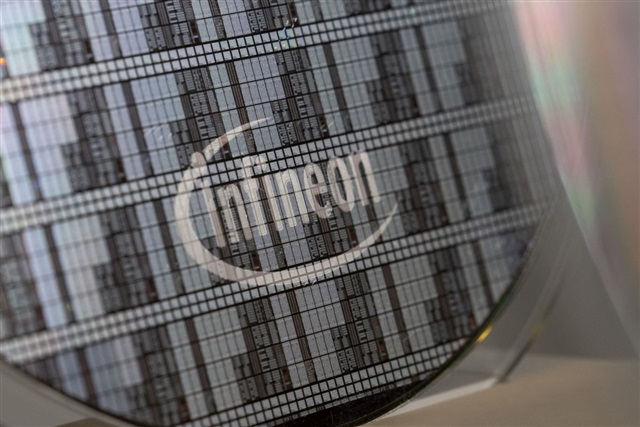
InnoScience Prevails in China in GaN Patent Dispute
InnoScience, an emerging player in the semiconductor industry, has announced a significant victory in a patent battle against German giant Infineon. The decision, issued in China, concerns Gallium Nitride (GaN) technology, an advanced semiconductor material gaining traction over traditional silicon in various power electronics applications. This outcome not only strengthens InnoScience's position in the Asian market but also underscores the growing strategic importance of GaN for global technological innovation.
The dispute highlights the intense competition and intrinsic value of intellectual property in the semiconductor sector, a field where innovation is rapid and investments in research and development are massive. For companies operating in artificial intelligence and Large Language Models (LLM), the availability and efficiency of advanced power components are critical factors for designing and Deploying infrastructures.
Gallium Nitride: Advantages and Strategic Applications
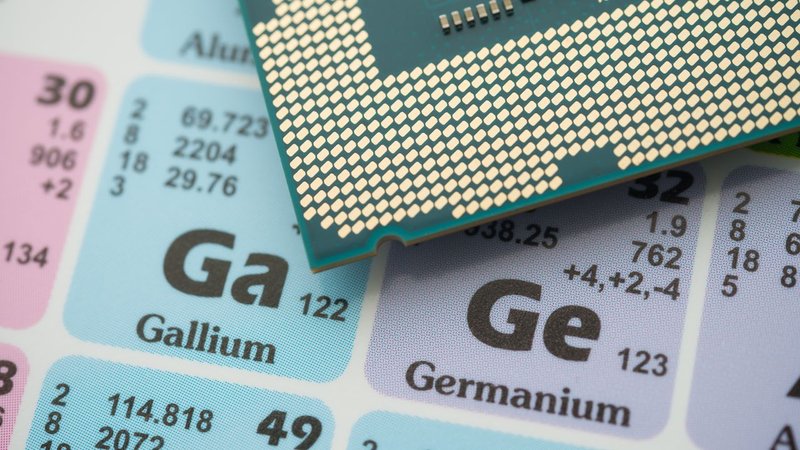
Gallium Nitride (GaN) is a wide-bandgap semiconductor that offers superior performance compared to silicon in terms of energy efficiency, switching speed, and reduced size. GaN-based devices can operate at higher temperatures and voltages, reducing energy losses and enabling the creation of more compact and lighter power supplies. These characteristics are particularly advantageous in sectors such as consumer electronics, electric vehicles, 5G telecommunications, and, crucially, data centers and high-performance computing (HPC) infrastructures.
In data centers, where power consumption and heat dissipation pose significant challenges, the adoption of GaN power components can lead to substantial improvements. More efficient power supplies reduce the overall TCO by lowering operational costs related to energy and cooling. Furthermore, the ability to integrate smaller components allows for higher computing density within racks, a key factor for architectures hosting a large number of GPUs and other accelerators for intensive AI workloads.
The Impact of Patent Disputes in the Tech Sector
Patent battles are a constant in the technological landscape and often reflect the high stakes in rapidly evolving markets. A victory in such a dispute can consolidate a company's leadership, ensuring a competitive advantage and freedom to operate without fear of future legal actions. Conversely, a defeat can lead to operational restrictions, high licensing costs, or the need to redesign products, with a significant impact on market strategies and R&D investments.
For the power semiconductor market, the outcome of these legal contests can influence the supply chain and the availability of key technologies. Companies developing infrastructures for LLMs and AI, especially those opting for on-premise Deployments, must closely monitor these developments. Stability and innovation in the power component sector are directly related to the ability to build and maintain efficient, scalable, and TCO-controlled systems.
Outlook for On-Premise AI Infrastructure
The increasing adoption of LLMs and complex AI workloads is prompting companies to carefully evaluate their Deployment strategies. Many organizations choose on-premise or hybrid solutions for reasons of data sovereignty, regulatory compliance, and control over long-term operational costs. In this context, hardware efficiency becomes a decisive factor.
Components like those based on GaN, which promise greater energy efficiency and improved thermal management, are crucial for optimizing the performance of latest-generation GPUs (such as A100 or H100) and reducing the TCO of self-hosted AI infrastructures. InnoScience's ability to protect its patents in a key market like China could accelerate the innovation and dissemination of GaN solutions, offering new opportunities for infrastructure architects and CTOs seeking to maximize the efficiency and density of their local stacks. For those evaluating on-premise Deployment, AI-RADAR offers analytical frameworks on /llm-onpremise to assess trade-offs and optimize technological choices.







💬 Comments (0)
🔒 Log in or register to comment on articles.
No comments yet. Be the first to comment!