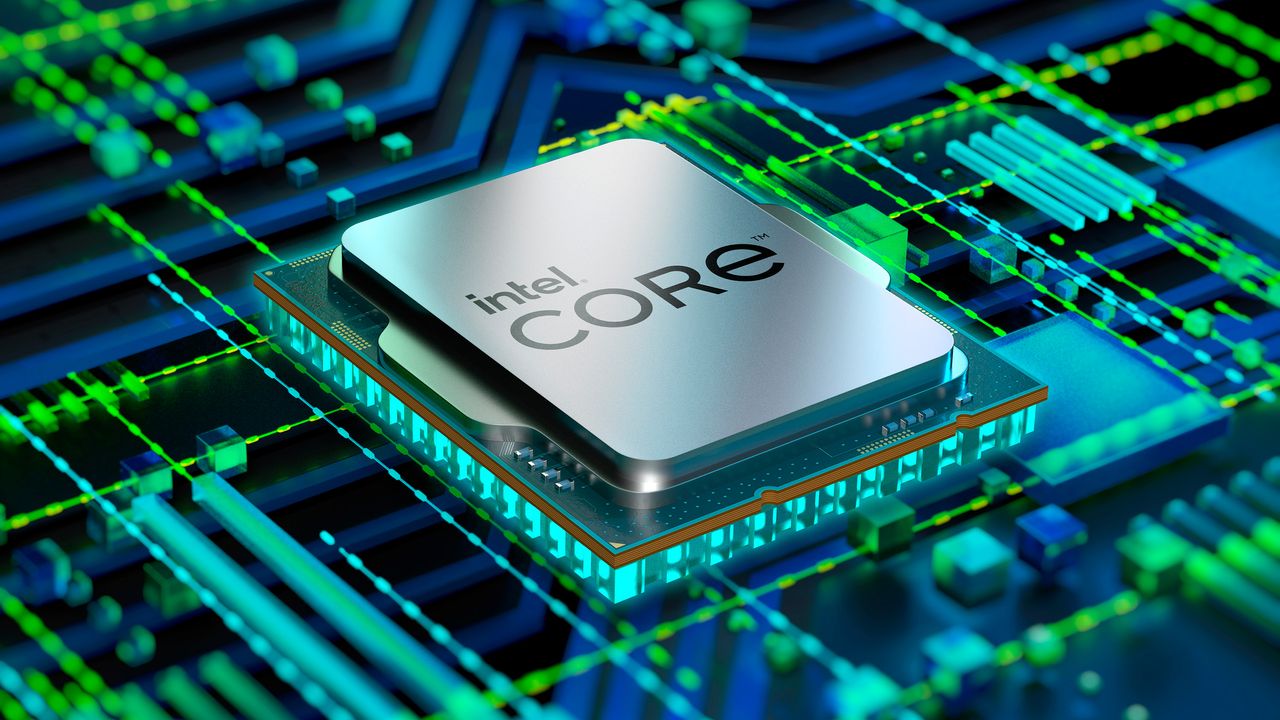
Intel Nova Lake-S: iGPU Takes Center Stage
The hardware landscape for artificial intelligence is constantly evolving, with an increasing emphasis on optimizing performance and costs for inference workloads. In this context, a recent leak has brought Intel's upcoming Nova Lake-S processor lineup into the spotlight. Rumors suggest the arrival of a particularly interesting SKU (Stock Keeping Unit), focused on a powerful integrated graphics processing unit (iGPU).
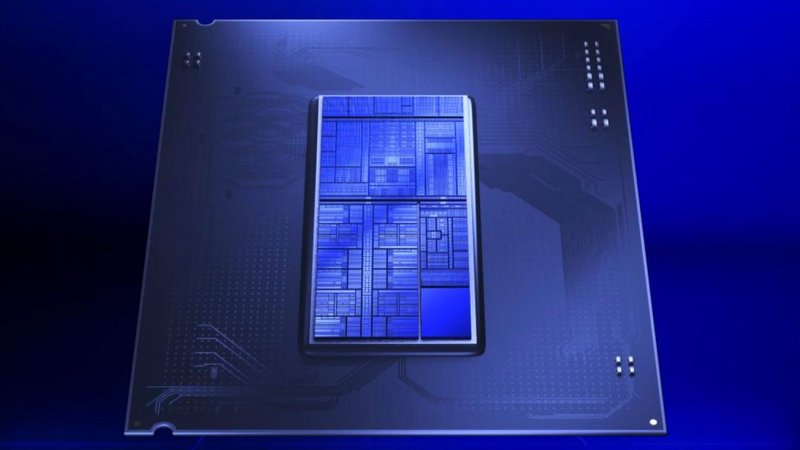
According to the details that have emerged, this configuration would include a 16-core CPU, positioning it in the midrange market segment. The most relevant aspect, however, is the mention of an iGPU equipped with 12 Xe3P cores. This specification indicates significant potential for accelerating AI workloads directly on the processor, a crucial factor for those evaluating on-premise or edge deployment strategies.
Technical Details and Implications for LLM Inference
The presence of an iGPU with 12 Xe3P cores on a midrange CPU represents a step forward for processing AI workloads on devices with space and power consumption constraints. While not a high-end discrete GPU, powerful integrated graphics can effectively handle inference for smaller Large Language Models (LLMs) or specific tasks that do not require the extreme VRAM and computational power of dedicated solutions.
For CTOs and infrastructure architects, such an iGPU can translate into a lower TCO (Total Cost of Ownership), reducing the need for additional hardware components and simplifying the deployment pipeline. The ability to perform LLM inference directly on the CPU, supported by integrated graphics acceleration, opens up new possibilities for scenarios such as processing sensitive data in air-gapped environments or managing real-time AI applications on edge devices, where latency is a critical factor.
Deployment Context: On-Premise, Edge, and Data Sovereignty
Intel's orientation towards CPUs with enhanced iGPUs aligns perfectly with the needs of on-premise and edge deployment, central themes for AI-RADAR. In these contexts, data sovereignty and regulatory compliance are absolute priorities. Running LLMs on self-hosted hardware, with integrated inference capabilities, allows organizations to maintain full control over their data, avoiding the risks associated with transfer to public clouds.
Intel's 12th Generation Alder Lake CPUs have already demonstrated the company's capabilities in integrating hybrid architectures. The Nova Lake-S lineup, with its emphasis on integrated graphics, could further extend these capabilities, making AI more accessible and manageable in distributed environments. This approach is particularly beneficial for sectors such as finance, healthcare, or public administration, where data security and localization are mandatory.
Future Prospects and Strategic Considerations
The evolution of hardware with integrated AI capabilities is an unstoppable trend. For technology decision-makers, the choice between solutions with discrete GPUs and powerful iGPU-equipped CPUs depends on a careful evaluation of trade-offs. Factors such as LLM model size, desired throughput, latency requirements, and, of course, the available budget, play a fundamental role.
CPUs like those anticipated in the Nova Lake-S lineup offer a balance between performance and integration, making them ideal for AI workloads that benefit from local processing and a reduced footprint. As the market continues to offer increasingly specialized solutions, Intel's ability to provide versatile options with powerful integrated graphics will be a key element in supporting the growing demand for distributed AI. For those evaluating on-premise deployments, AI-RADAR offers analytical frameworks on /llm-onpremise to evaluate these trade-offs in an informed manner.




💬 Comments (0)
🔒 Log in or register to comment on articles.
No comments yet. Be the first to comment!