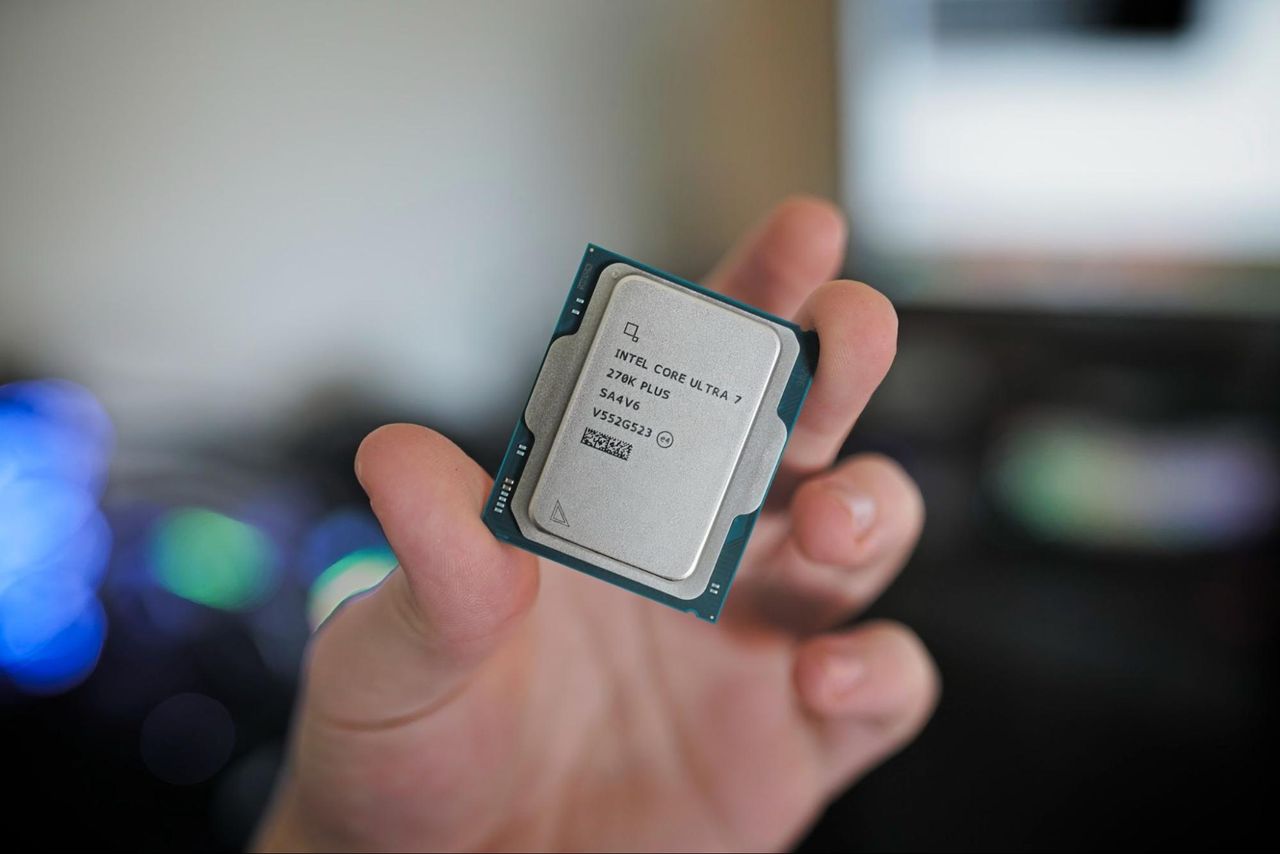
Intel and Software Optimization: A Focus on Performance
Intel, a historical player in the technology landscape, continues to invest in performance optimization through software solutions. The company recently expanded the reach of its iBOT software, a tool specifically designed to enhance the gaming experience on Intel-based systems. This initiative is part of a broader strategy aimed at extracting maximum potential from hardware through targeted software integration.
Intel's approach with iBOT highlights a fundamental truth in the tech industry: silicon alone is not enough. To achieve optimal performance levels, a sophisticated software layer capable of effectively interacting with the underlying hardware is essential. This principle, although applied here to gaming, has significant resonances in far more complex and critical areas, such as AI workloads and Large Language Models (LLMs).
Details on iBOT's Expansion and Claimed Gains
The latest expansion of iBOT has brought support to seven new video game titles, thereby increasing the software's compatibility and effectiveness across a wider range of games. Intel has reported significant performance improvements, with peaks of up to 27% in some scenarios and an average increase of 12% for newly added games to the supported catalog. These figures, while specific to the gaming context, demonstrate the potential that software optimization can unlock.
Performance gains achieved through software like iBOT typically result from a series of targeted interventions: driver optimization, more efficient management of CPU and GPU resources, and specific configuration profiles for each application. For end-users, this translates into higher frame rates, greater fluidity, and improved overall responsiveness. In the gaming sector, where even a few percentage points can make a difference in user experience, these increases are considered tangible added value.
Implications for On-Premise AI Workloads
While Intel's iBOT software is focused on gaming, the underlying principles of performance optimization are directly applicable and critically important for AI workloads, particularly for on-premise and self-hosted Large Language Model deployments. In these contexts, the ability to extract every single percentage of performance from available hardware is not just a bonus, but an operational necessity.
Companies choosing on-premise AI solutions for reasons of data sovereignty, compliance, or control over Total Cost of Ownership (TCO) must maximize the efficiency of every hardware component, from GPUs with their limited VRAM to processors. Targeted software optimizations can significantly reduce inference latency, increase throughput (the number of tokens processed per second), and improve VRAM utilization, postponing the need for costly hardware upgrades or allowing larger workloads to be managed with existing infrastructure. This is especially true for air-gapped or bare metal environments, where flexibility is lower and efficiency is paramount.
The Role of Software in AI Infrastructure
Modern AI infrastructure is a complex ecosystem where software plays as critical a role as hardware. From lower layers like drivers and runtimes, up to machine learning frameworks (such as PyTorch or TensorFlow) and LLM serving systems (like vLLM or TGI), every software component contributes to determining the final performance. The choice and optimization of these software stacks are strategic decisions for CTOs and infrastructure architects.
For those evaluating on-premise deployments, there are significant trade-offs between the ease of use of pre-packaged solutions and the flexibility and control offered by more customized stacks. The ability to optimize software for specific hardware, as demonstrated by Intel with iBOT in gaming, is a key factor in achieving performance, efficiency, and TCO objectives in AI deployments. This approach allows for unlocking the full potential of silicon, ensuring that computational resources are utilized to their best for the most stringent demands of Large Language Models.







💬 Comments (0)
🔒 Log in or register to comment on articles.
No comments yet. Be the first to comment!