
The Dynamism of European Tech Investments
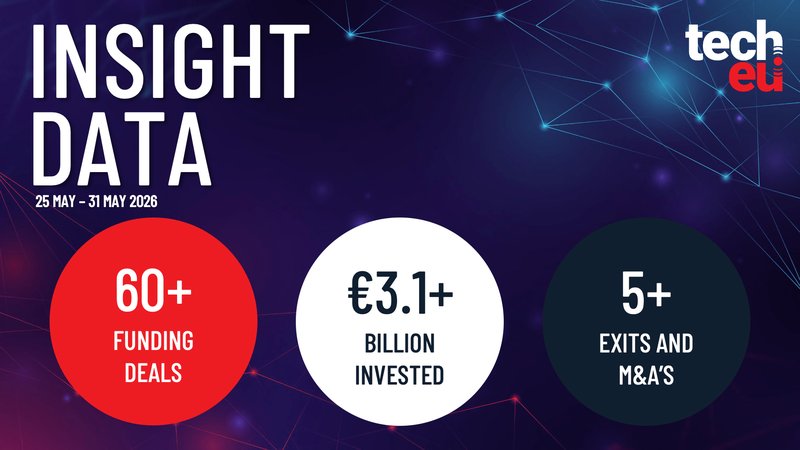
The past week has shown significant activity in the European technology landscape, with over €1.4 billion in funding distributed across more than 65 deals and over five acquisition and merger operations. This capital flow underscores investor confidence in continental innovation, with a particular focus on strategic sectors that are redefining the digital future.
At the heart of this investment wave is artificial intelligence, which continues to attract substantial capital. Companies are seeking to capitalize on the opportunities offered by LLMs and advanced computing capabilities, driving demand for robust infrastructure and innovative software solutions.
AI Between Infrastructure and Strategic Innovation
Among the most substantial funding rounds, Nscale, a British company, stands out, having secured $790 million. This capital is earmarked to strengthen its commitment to a data center in Norway and to consolidate an AI compute deal with Microsoft. This operation highlights the growing need for physical infrastructure dedicated to AI, capable of supporting intensive workloads. For CTOs and infrastructure architects, decisions like these raise crucial questions about the trade-offs between on-premise deployment and cloud solutions, especially in terms of data sovereignty, control, and TCO.
Concurrently, Recursive Superintelligence, another UK-based entity, emerged from stealth with a $650 million funding round, signaling the rise of new players with significant ambitions in the AI field. These investments not only fuel research and development but also stimulate the creation of supporting ecosystems, as demonstrated by the launch of a €7 million AI Lab by the BioInnovation Institute, backed by the Danish Industry Foundation.
Market Evolution and Deployment Strategies
The European landscape also reveals strategic evolution across various sectors. N8N, a German company, saw its valuation double to $5.2 billion following a strategic investment by SAP, indicating the importance of integrating automation and AI into business processes. This type of strategic partnership can influence deployment choices, pushing towards solutions that ensure scalability and integration with existing stacks.
Another example of strategic repositioning is Keel, which announced a pivot from a neobank to a fintech infrastructure provider. This move reflects a broader trend in the financial sector, where the need for robust and compliant platforms for data and operations management is paramount. Similarly, the evolution of the Polish software sector, transitioning from an outsourcing-based model to one focused on "AI-native delivery," suggests a profound shift in architectures and development pipelines, with a growing emphasis on optimization for AI workloads.
Outlook and Challenges for the European Ecosystem
The observed ferment in the European market points to a clear direction: AI is no longer just an emerging technology but a fundamental pillar for growth and competitiveness. Investments in data centers and AI compute capabilities, combined with the emergence of new startups and the strategic repositioning of established players, paint a dynamic ecosystem.
For technical decision-makers, this scenario necessitates a careful evaluation of deployment options. The choice between cloud, self-hosted, or hybrid infrastructures becomes crucial for balancing performance, costs, security, and data sovereignty. AI-RADAR continues to provide in-depth analyses of these trade-offs, supporting companies in building resilient and high-performing AI stacks capable of addressing the challenges of a rapidly evolving market.





💬 Comments (0)
🔒 Log in or register to comment on articles.
No comments yet. Be the first to comment!