New Regulations for Data Center Development in Italy
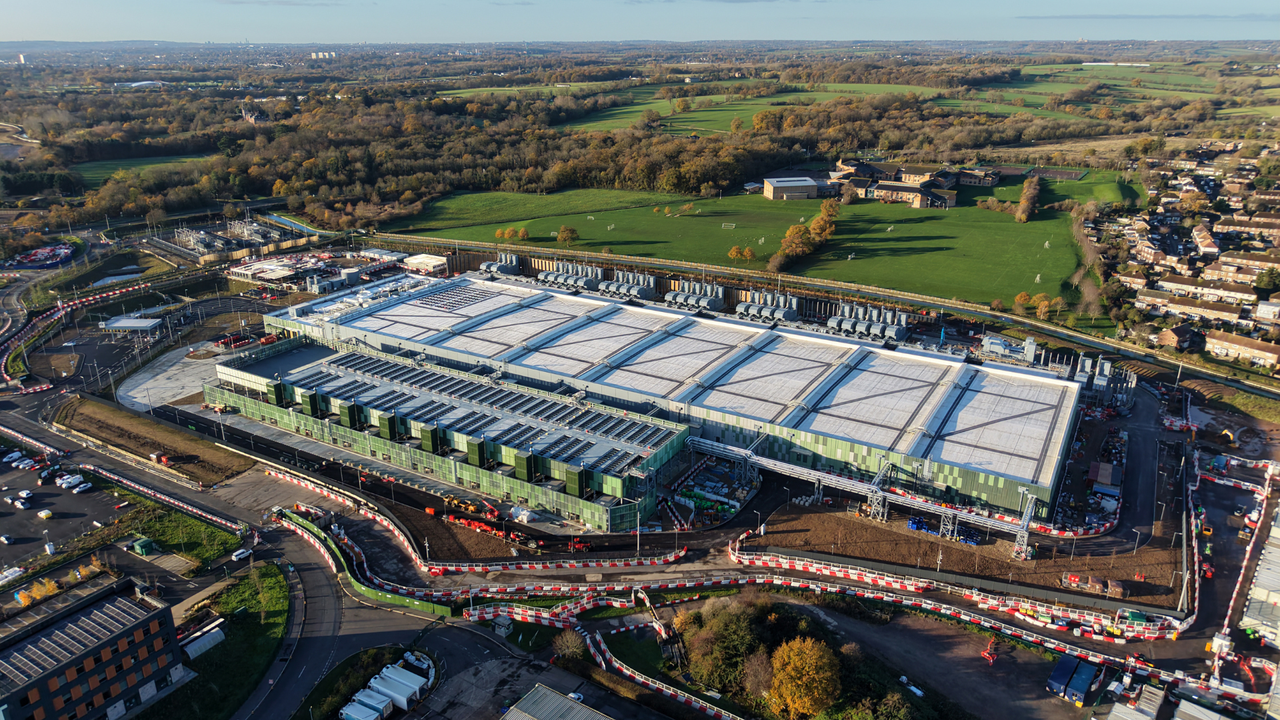
An Italian municipal council has recently introduced significant legislation imposing a 200% tax on the development of new data centers within agricultural zones. This decision, part of a growing focus on the environmental impact of technological infrastructure, aims to redirect investments towards the redevelopment of existing, disused industrial areas. The primary objective is twofold: to limit the consumption of agricultural land and to reduce the overall ecological footprint associated with the construction of these facilities.
The measure highlights a broader trend where local and national authorities are increasingly involved in regulating infrastructural development, especially in resource and energy-intensive sectors like data centers. The choice to heavily tax new constructions in green areas is a clear signal of the will to preserve the landscape and natural resources, pushing developers to consider more sustainable alternatives from a land-use perspective.
The Regulatory Context and Environmental Implications
The decision to apply such a high tax reflects a growing awareness of the environmental impact of data centers. These facilities, essential for the functioning of the digital economy and for the Deployment of advanced technologies like Large Language Models (LLM), require vast amounts of energy and often water for cooling. Their expansion can lead to the concretization of green areas, loss of biodiversity, and an increase in carbon emissions if not managed carefully.
Promoting the use of old industrial areas, also known as "brownfields," offers numerous advantages. It allows for the reuse of already compromised land, avoiding further consumption of agricultural or natural land ("greenfield"). Furthermore, these areas often already benefit from existing infrastructure, such as electrical and road connections, which can reduce overall development costs and timelines, although they may present challenges related to remediation or structural adaptation. This strategy aligns with the principles of circular economy and sustainable urban development.
Impact on AI and LLM Infrastructure Deployment
For companies evaluating the Deployment of on-premise AI and LLM infrastructure, this new regulation introduces a critical factor in planning. The choice of location for a new data center becomes even more strategic, with a direct impact on the Total Cost of Ownership (TCO). A 200% increase in development costs in specific zones can make the investment prohibitive, prompting companies to reconsider their location strategies.
Organizations seeking to maintain data sovereignty and full control over their technology stacks, opting for self-hosted or bare metal solutions, will now need to integrate these new regulatory variables into their evaluation models. This could mean a greater emphasis on searching for disused industrial sites or collaborating with partners who already possess adequate infrastructure. For those evaluating on-premise deployment, AI-RADAR offers analytical frameworks on /llm-onpremise to assess the trade-offs between initial and operational costs, compliance, and control, within an evolving regulatory context.
Future Perspectives and Sustainable Development
The move by the Italian municipal council is not an isolated case but is part of a global trend where governments and local communities are increasingly attentive to the environmental impact of digital technologies. The data center industry is under pressure to adopt more sustainable practices, from the choice of construction materials to the procurement of energy from renewable sources, and the management of residual heat.
This regulation could act as a catalyst for innovation in the sector, pushing operators to explore more efficient solutions and integrate environmental considerations from the earliest design phases. The challenge will be to balance the growing demand for computing capacity, necessary for the advancement of technologies like LLMs, with the urgent need to protect the environment and promote sustainable development. The future of digital infrastructure will be increasingly linked to its ability to integrate harmoniously with the surrounding territory and communities.







💬 Comments (0)
🔒 Log in or register to comment on articles.
No comments yet. Be the first to comment!