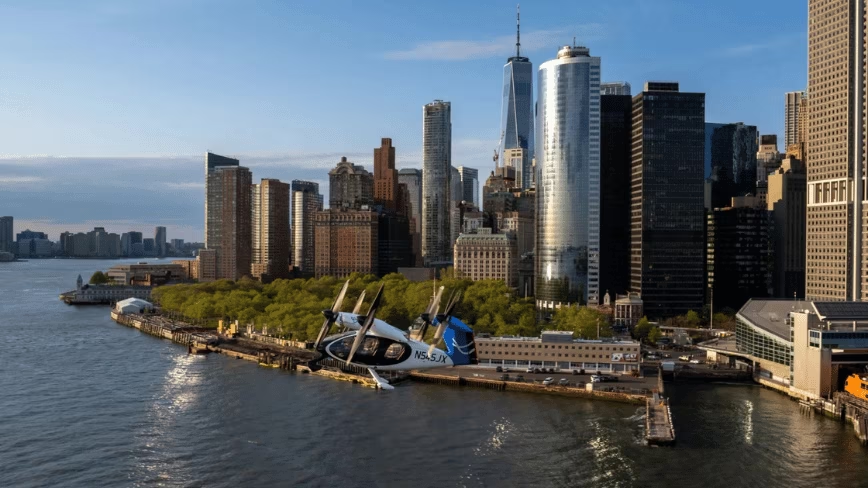
Una nuova era per la mobilità urbana
Joby Aviation ha recentemente dimostrato il potenziale rivoluzionario dei taxi aerei elettrici, completando un volo di sette minuti dall'aeroporto internazionale John F. Kennedy (JFK) all'eliporto di East 34th Street a Midtown Manhattan. Questa performance, che riduce drasticamente i tempi di viaggio rispetto ai 60-120 minuti necessari in auto per lo stesso percorso, segna un passo significativo verso una nuova era della mobilità urbana.
La dimostrazione ha messo in luce la fattibilità operativa di questi velivoli, noti come eVTOL (electric Vertical Take-Off and Landing), nel contesto di una delle città più trafficate del mondo. L'evento sottolinea l'ambizione di trasformare il trasporto personale e commerciale, offrendo soluzioni rapide e sostenibili per superare la congestione urbana.
La tecnicia eVTOL e il ruolo potenziale dell'AI
Gli eVTOL rappresentano un'innovazione chiave nel settore dell'aviazione, combinando la propulsione elettrica con la capacità di decollo e atterraggio verticale. Sebbene la dimostrazione di Joby si sia concentrata sull'efficienza del trasporto, l'implementazione su larga scala di flotte di taxi aerei richiederà un'infrastruttura tecnicica complessa, dove l'intelligenza artificiale giocherà un ruolo cruciale.
Sistemi AI avanzati potranno essere impiegati per l'ottimizzazione delle rotte in tempo reale, la gestione predittiva della manutenzione dei velivoli e il controllo del traffico aereo urbano. Per applicazioni così critiche, che richiedono bassa latenza e massima sicurezza, le decisioni relative al deployment dei modelli AI – che siano Large Language Models o altri algoritmi di machine learning – diventeranno fondamentali. La scelta tra soluzioni cloud e deployment on-premise, o self-hosted, sarà dettata da esigenze di sovranità dei dati, compliance normativa e controllo diretto sull'hardware e sul software.
Implicazioni infrastrutturali e sfide normative
L'introduzione di servizi di mobilità aerea urbana come quello proposto da Joby ha implicazioni profonde per le infrastrutture esistenti. Sarà necessario sviluppare nuove stazioni di ricarica e potenziare gli eliporti esistenti per gestire un volume crescente di traffico. Parallelamente, la gestione dello spazio aereo urbano richiederà sistemi di controllo avanzati, probabilmente basati su AI, capaci di coordinare migliaia di voli al giorno in sicurezza.
Dal punto di vista del Total Cost of Ownership (TCO), la valutazione di queste nuove infrastrutture dovrà considerare non solo i costi iniziali di capitale (CapEx) ma anche le spese operative (OpEx), inclusi i consumi energetici e la manutenzione dei sistemi AI. Per le aziende e le autorità che valuteranno l'adozione di tali tecnicie, sarà essenziale analizzare i trade-off tra performance, costi e requisiti di sicurezza, specialmente in ambienti air-gapped o con stringenti vincoli di privacy.
Prospettive future e considerazioni per il deployment
Il successo del volo dimostrativo di Joby Aviation apre la strada a un futuro in cui il trasporto aereo urbano potrebbe diventare una realtà quotidiana. Tuttavia, la transizione da dimostrazioni isolate a un servizio commerciale su vasta scala richiederà un'attenta pianificazione e investimenti significativi in tecnicia e infrastrutture.
Per i CTO, i responsabili DevOps e gli architetti di infrastruttura, la sfida sarà quella di costruire sistemi robusti e scalabili che possano supportare questa visione. La scelta di architetture di deployment, la gestione della VRAM per l'inference on-board o on-premise, e l'ottimizzazione del throughput per l'elaborazione dei dati in tempo reale saranno elementi chiave per garantire l'efficienza e la sicurezza di questi nuovi ecosistemi di mobilità. AI-RADAR continua a monitorare queste evoluzioni, fornendo analisi sui framework e sulle strategie di deployment che possono supportare l'innovazione in settori emergenti come quello della mobilità aerea avanzata.







💬 Commenti (0)
🔒 Accedi o registrati per commentare gli articoli.
Nessun commento ancora. Sii il primo a commentare!