
Kia's New Strategic Direction
Kia outlined its vision for the future during its 2026 Investor Day held in Seoul, detailing a strategy adapted to an evolving global landscape. The company announced a revision of its electric vehicle (EV) sales targets by 2030, coupled with a significant expansion of its hybrid vehicle offerings. This move reflects a broader trend in the automotive market to diversify propulsion options in response to changing consumer preferences and environmental regulations.
Concurrently, Kia confirmed the development of an electric pickup truck aimed at the North American market, a rapidly growing segment seeing the entry of numerous players. These strategic decisions come at a time of significant economic transformations, as highlighted by the introduction of new tariffs on South Korean imports in the United States, which can influence global supply chains and production strategies.
The Integration of Advanced Robotics in Factories
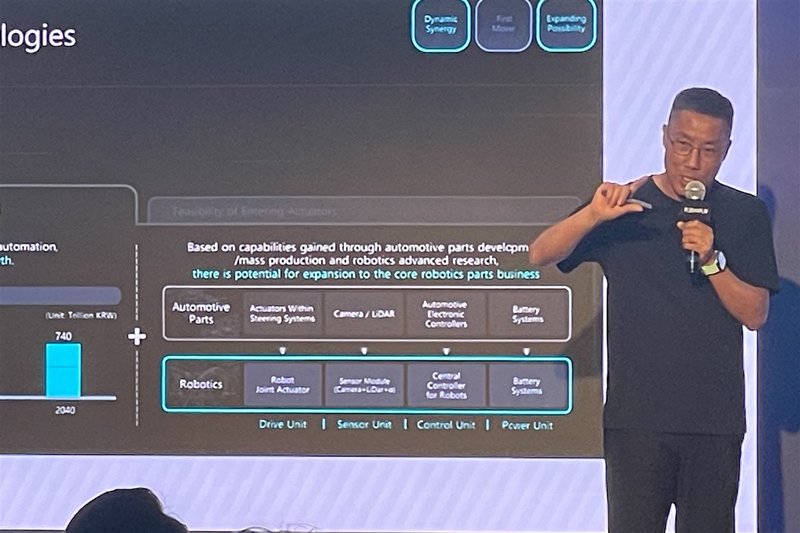
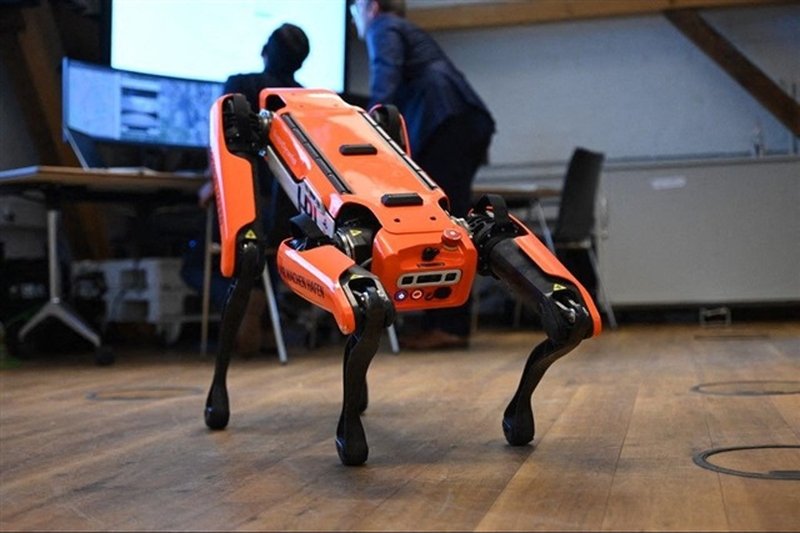
A particularly interesting aspect for the tech sector is Kia's announcement to integrate Atlas robots into its manufacturing facilities in Georgia. While the source does not provide specific details on the exact models or functionalities, the adoption of advanced robots like Atlas signals Kia's commitment to next-generation industrial automation. These robotic systems, known for their complex movement and manipulation capabilities, require robust supporting infrastructure and a distributed computing architecture.
The deployment of advanced robotics in a production environment often implies the implementation of artificial intelligence capabilities at the edge. This means that much of the data processing, inference, and real-time control must occur locally, directly within the factories. Such an approach is crucial for ensuring low latency, which is essential for the safety and efficiency of robotic operations, and for managing high volumes of data generated by robot sensors without excessive reliance on cloud connectivity.
Implications for On-Premise Deployment and Data Sovereignty
The integration of complex robotic systems like Atlas into Kia's factories raises crucial questions regarding on-premise deployment and data sovereignty. Companies operating in sensitive sectors such as automotive manufacturing often prefer to maintain direct control over their operational data and critical processes. This is particularly true for data generated by robots, which can include proprietary information on production processes, quality, and efficiency.
A self-hosted deployment of AI and robotics helps mitigate risks related to data security and regulatory compliance, offering greater control over infrastructure and information management. For CTOs and infrastructure architects, evaluating the Total Cost of Ownership (TCO) of such on-premise solutions becomes a decisive factor. This includes not only the initial costs of hardware and software acquisition but also long-term operational expenses such as energy, maintenance, and specialized personnel. The ability to operate in air-gapped environments, completely isolated from external networks, can be a fundamental requirement to ensure maximum security and operational resilience.
Future Prospects of Industrial Automation
Kia's decision to invest in advanced robotics underscores a broader trend in the global manufacturing industry: the adoption of AI and automation solutions to improve production efficiency, flexibility, and quality. The integration of robots capable of performing complex tasks and adapting to various production scenarios is a key factor in maintaining competitiveness.
For companies evaluating the adoption of similar technologies, it is essential to consider the trade-offs between cloud-based solutions and on-premise deployments. While the cloud offers scalability and flexibility, local implementations ensure control, security, and optimal performance for critical and latency-sensitive workloads. AI-RADAR provides analytical frameworks on /llm-onpremise to help decision-makers evaluate these trade-offs, considering aspects such as data sovereignty, performance requirements, and overall TCO. The path towards increasingly intelligent and autonomous factories necessarily involves thoughtful and strategic infrastructure choices.






💬 Comments (0)
🔒 Log in or register to comment on articles.
No comments yet. Be the first to comment!