
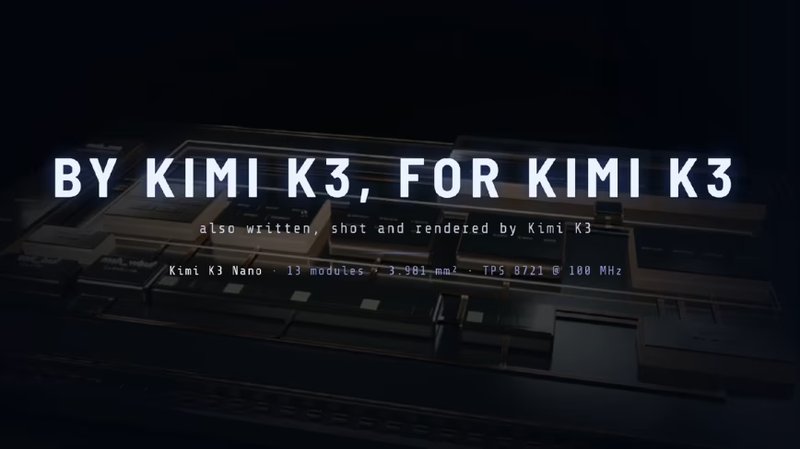
Wall Street experienced déjà vu. A new Chinese open-source model roiled markets, sending tech and semiconductor stocks sharply lower. The selloff was triggered by Moonshot’s Kimi K3, which caught investors off guard and prompted traders to dub it a “Kimi moment,” echoing the DeepSeek shock of early 2025. But the panic reveals far more about the fragility of US AI spending than about the model’s actual capabilities.
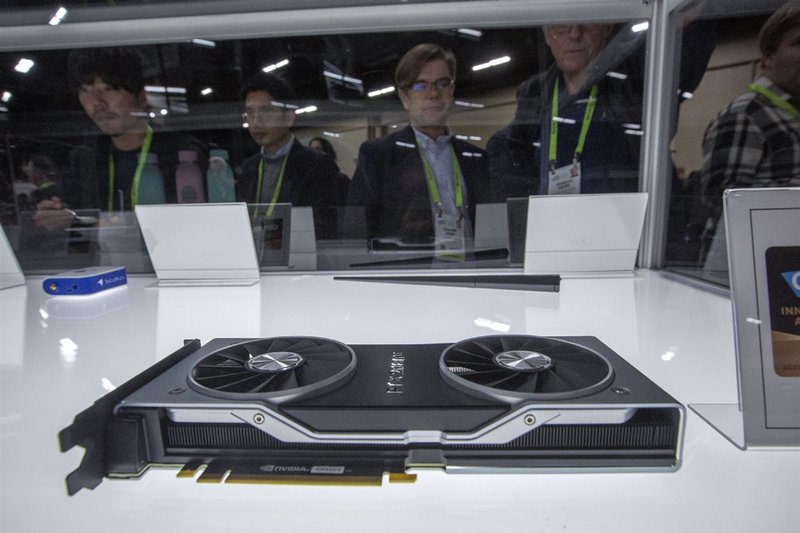
The episode is not isolated. Ever since DeepSeek showed that a competitive LLM can be built with relatively modest resources, markets have begun questioning the sustainability of massive cloud infrastructure investments. The logic is straightforward: if increasingly capable open-source models can run on less extravagant hardware, demand for top-tier GPUs – and consequently revenue for companies like NVIDIA and the hyperscalers – may grow less than projected.
This is the crux of the matter. We are not making a technical judgment on Kimi K3, about which we still know little in terms of efficiency or hardware requirements. The point is that the market is pricing in a spending bubble, built on the assumption that ever-larger clusters are needed to train and serve frontier models. The arrival of open-source alternatives from China undermines that dogma.
The implications for those evaluating on-premise deployment are immediate. An ecosystem of open LLMs that are less resource-hungry lowers the barrier for self-hosting. Companies can consider running inference in their own data centers, reducing dependency on cloud APIs and gaining data control. It’s not a frictionless path – internal expertise is required, and TCO must be calculated carefully – but the direction is clear: cheaper models open up sustainable use cases away from the public cloud.
The “Kimi moment,” in short, is not a technological earthquake. It’s a wake-up call for an entire sector that bet on linear growth in GPU spending while ignoring the disruptive potential of open source and Chinese research. The losers are hardware vendors and cloud providers whose business models rely on ever-increasing resource consumption. The potential winners are enterprise users who can finally explore hybrid or fully local architectures without breaking the bank. And at a deeper level, a structural signal emerges: technological sovereignty is no longer an ideological choice but an economic variable that markets can no longer afford to ignore.








💬 Comments (0)
🔒 Log in or register to comment on articles.
No comments yet. Be the first to comment!