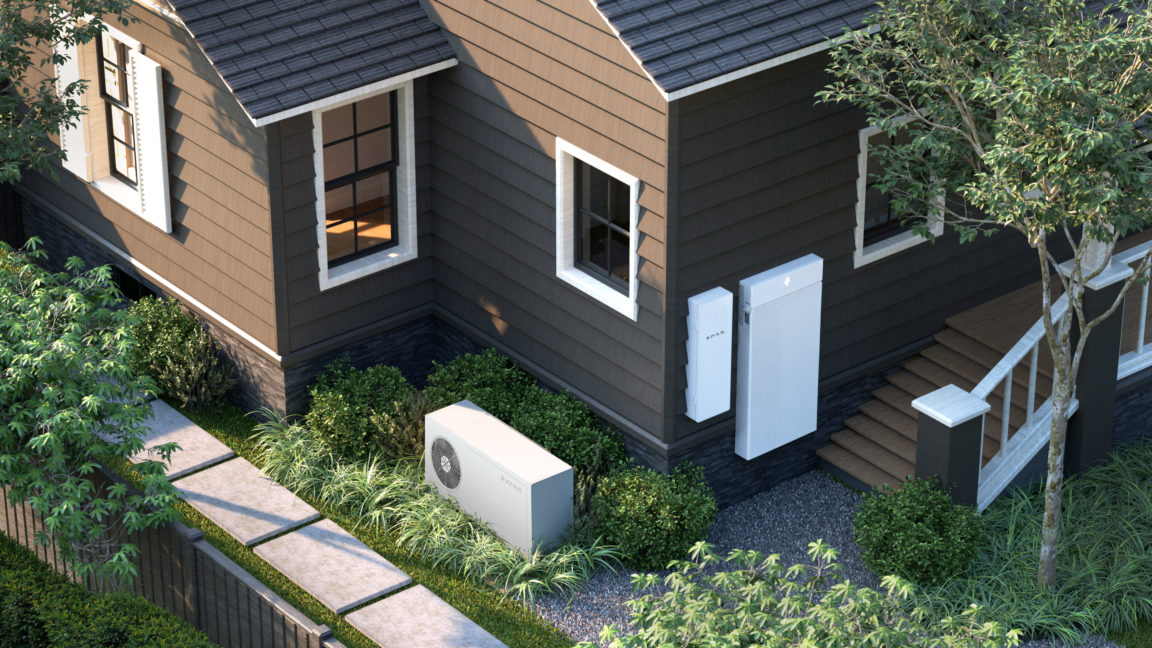
Il Data Center si fa "Domestico": La Visione di SPAN per l'AI
Il panorama dell'intelligenza artificiale è in costante evoluzione, e con esso la domanda di capacità di calcolo. Tradizionalmente, questa richiesta è stata soddisfatta da enormi data center centralizzati, strutture che comportano costi elevati, lunghi tempi di costruzione e un impatto significativo sull'ambiente e sulle comunità locali. Tuttavia, una startup di San Francisco, SPAN, sta proponendo un approccio radicalmente diverso, immaginando un futuro in cui i data center non siano più confinati in magazzini industriali, ma distribuiti direttamente nelle abitazioni.
Questa visione si concretizza nella "distributed data center solution" di SPAN, un'iniziativa che mira a installare migliaia di nodi XFRA all'interno delle case. L'obiettivo è creare una rete capillare di risorse di calcolo per l'AI, sfruttando la capacità energetica in eccesso presente nelle famiglie statunitensi. Questo modello non solo promette di accelerare il deployment di nuove infrastrutture, ma anche di ridurre i costi e i ritardi tipicamente associati alla costruzione di impianti su larga scala.
Tecnologia e Benefici del Modello Distribuito
Al cuore dei nodi XFRA di SPAN batte una tecnicia all'avanguardia. Ogni unità è equipaggiata con GPU Nvidia RTX Pro 6000 Blackwell Server Edition, raffreddate a liquido per garantire prestazioni ottimali e, aspetto cruciale, un funzionamento con rumore minimo. Questa scelta hardware è fondamentale per l'integrazione in un ambiente domestico, dove la discrezione e la silenziosità sono requisiti imprescindibili. La soluzione è attualmente in fase di test pilota, con un'implementazione su larga scala prevista quest'anno che coinvolgerà un centinaio di abitazioni.
Il modello proposto da SPAN offre vantaggi reciproci. I proprietari di casa che ospitano un nodo XFRA riceverebbero in cambio elettricità e accesso a internet a prezzi agevolati, oltre a un sistema di batterie di backup. Chris Lander, vicepresidente di XFRA presso SPAN, ha sottolineato come questa soluzione sia "silenziosa, discreta e renda l'energia più accessibile per l'ospite e la comunità", evidenziando un approccio che mira a integrare la tecnicia AI nel tessuto urbano in modo sostenibile e vantaggioso per tutti.
Implicazioni per il Deployment di LLM e AI
L'approccio di SPAN solleva questioni interessanti per il deployment di Large Language Models (LLM) e altri carichi di lavoro AI. La possibilità di distribuire la capacità di calcolo su una vasta rete di nodi edge potrebbe ridurre la latenza e migliorare il throughput per applicazioni che richiedono elaborazione vicina all'utente finale. Questo modello si contrappone alla tendenza dominante dei data center hyperscale, offrendo un'alternativa che potrebbe avere un impatto significativo sul Total Cost of Ownership (TCO) per le aziende che cercano soluzioni di calcolo AI più flessibili e meno dipendenti da infrastrutture centralizzate.
Per le organizzazioni che valutano alternative self-hosted o deployment on-premise, la proposta di SPAN introduce un nuovo paradigma. Sebbene non si tratti di un data center aziendale nel senso tradizionale, l'idea di una capacità di calcolo AI distribuita e localizzata potrebbe influenzare le strategie future, soprattutto per scenari che richiedono sovranità dei dati o ambienti air-gapped. Per chi valuta i trade-off tra soluzioni on-premise e cloud, AI-RADAR offre framework analitici e approfondimenti su /llm-onpremise. La sfida sarà garantire la gestione, la sicurezza e l'affidabilità di una rete così frammentata, aspetti cruciali per i CTO e gli architetti di infrastruttura.
Prospettive e Sfide di un Futuro Distribuito
Il trial su 100 abitazioni rappresenterà un banco di prova fondamentale per la fattibilità e la scalabilità del progetto XFRA. Sebbene l'idea di trasformare le case in mini data center possa sembrare futuristica, essa risponde a un'esigenza concreta: la crescente fame di calcolo dell'AI e la necessità di trovare soluzioni più efficienti e meno impattanti. Il successo di SPAN potrebbe aprire la strada a nuovi modelli di infrastruttura distribuita, spingendo l'innovazione non solo nell'hardware, ma anche nelle strategie di deployment e gestione dei carichi di lavoro AI.
Le implicazioni a lungo termine di un tale modello sono vaste, toccando aspetti che vanno dalla resilienza della rete alla democratizzazione dell'accesso alla potenza di calcolo. Resta da vedere come SPAN affronterà le sfide legate alla manutenzione, alla sicurezza fisica e logica di migliaia di nodi distribuiti, e come il mercato risponderà a questa proposta audace. Tuttavia, l'iniziativa segna un passo interessante verso un futuro in cui l'infrastruttura AI potrebbe essere molto più integrata e diffusa di quanto non lo sia oggi.







💬 Commenti (0)
🔒 Accedi o registrati per commentare gli articoli.
Nessun commento ancora. Sii il primo a commentare!