L'AI ridefinisce il panorama dei semiconduttori
L'avvento dell'intelligenza artificiale sta ridefinendo profondamente l'industria dei semiconduttori, un settore da sempre trainato dall'innovazione. La domanda crescente di potenza di calcolo per l'addestramento e l'Inference di Large Language Models (LLM) e altri modelli di AI ha spostato il focus da processori general-purpose a soluzioni hardware altamente specializzate. Questo cambiamento non solo stimola l'innovazione tecnicica, ma sta anche alterando gli equilibri competitivi consolidati.
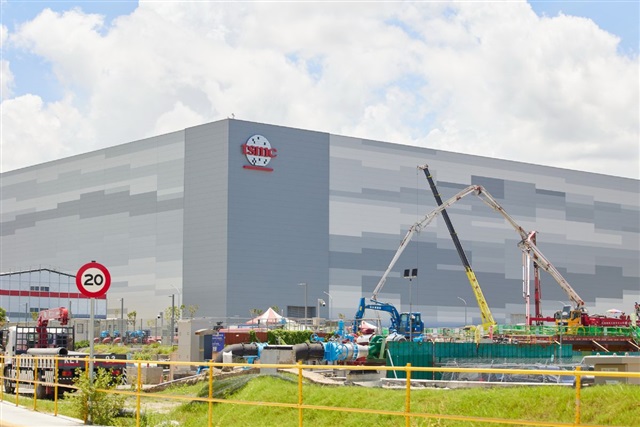
Storicamente, aziende come TSMC hanno dominato il panorama della produzione di chip, affermandosi come leader indiscussi nella fabbricazione di semiconduttori avanzati. La loro capacità di produrre chip con geometrie sempre più ridotte e prestazioni elevate ha rappresentato un pilastro per l'intero ecosistema tecnicico. Tuttavia, l'era dell'AI introduce nuove sfide e opportunità, portando alla ribalta nuovi attori e tecnicie che minacciano di scuotere questa leadership.
Le esigenze tecniche dell'AI e l'evoluzione del silicio
Le esigenze computazionali dell'AI, in particolare per gli LLM, sono estreme e diverse da quelle dei carichi di lavoro tradizionali. Richiedono non solo un'elevata capacità di calcolo (FLOPS), ma anche e soprattutto una banda di memoria (VRAM) massiccia e interconnessioni ad alta velocità tra le GPU. Architetture come quelle basate su GPU con decine o centinaia di gigabyte di VRAM per unità, e sistemi di interconnessione avanzati come NVLink o CXL, sono diventati standard de facto per l'addestramento di modelli complessi e per l'Inference a bassa latenza.
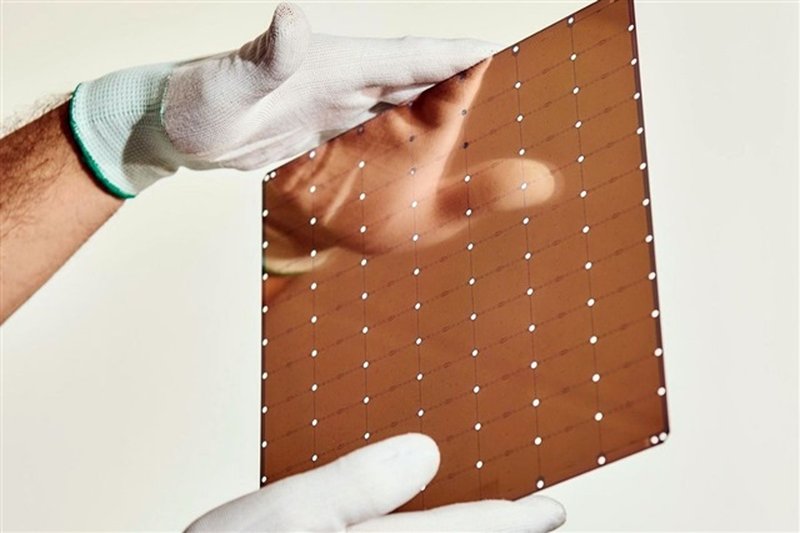
La progettazione e la produzione di questo "silicio" specializzato richiedono processi produttivi all'avanguardia, che solo pochi fonderie al mondo sono in grado di gestire. La sfida non è solo miniaturizzare i transistor, ma anche integrare un numero crescente di core di calcolo, ottimizzare l'efficienza energetica e gestire la dissipazione del calore. Questo ha portato a un'accelerazione nello sviluppo di tecnicie di packaging avanzate, come il 3D stacking, che permettono di superare i limiti fisici dei chip planari e di integrare più memoria e logica nello stesso spazio.
Contesto e implicazioni per il deployment on-premise
Per le aziende che valutano il Deployment di LLM e carichi di lavoro AI in ambienti self-hosted o air-gapped, la disponibilità e la diversità dei fornitori di chip diventano fattori critici. La dipendenza da un numero limitato di fonderie può comportare rischi significativi per la supply chain, influenzando i tempi di consegna, i costi e la capacità di scalare l'infrastruttura. L'emergere di nuovi concorrenti per i leader storici come TSMC può quindi tradursi in una maggiore resilienza e opzioni per i decision-maker IT.
La scelta tra soluzioni cloud e on-premise per l'AI è spesso guidata da considerazioni di TCO, sovranità dei dati e requisiti di compliance. Un mercato dei chip più competitivo e diversificato può abbassare le barriere all'ingresso per l'adozione di infrastrutture AI self-hosted, rendendo più accessibili le GPU e gli acceleratori necessari. Questo permette alle organizzazioni di mantenere il pieno controllo sui propri dati e modelli, un aspetto fondamentale per settori come la finanza, la sanità o la pubblica amministrazione. Per chi valuta deployment on-premise, AI-RADAR offre framework analitici su /llm-onpremise per valutare i trade-off tra performance, costo e controllo.
Prospettive future nell'era dell'AI
Il panorama competitivo nell'industria dei semiconduttori è destinato a evolversi ulteriormente con l'accelerazione dell'innovazione nell'AI. Nuovi design di chip, architetture di memoria e tecnicie di packaging continueranno a emergere, spinti dalla necessità di soddisfare le crescenti richieste di potenza e efficienza. Questa dinamica competitiva non solo spingerà i confini della tecnicia, ma offrirà anche ai CTO e agli architetti infrastrutturali una gamma più ampia di scelte per costruire le proprie piattaforme AI.
In definitiva, l'era dell'AI sta non solo ridefinendo cosa sia possibile fare con i dati, ma sta anche plasmando il futuro della produzione di silicio. La capacità di innovare rapidamente e di adattarsi alle mutevoli esigenze dei carichi di lavoro AI sarà la chiave per il successo dei produttori di chip, e un fattore abilitante per le aziende che mirano a sfruttare appieno il potenziale dell'intelligenza artificiale con soluzioni di Deployment flessibili e sicure.








💬 Commenti (0)
🔒 Accedi o registrati per commentare gli articoli.
Nessun commento ancora. Sii il primo a commentare!