L'impatto dell'AI sulla domanda di componenti IT
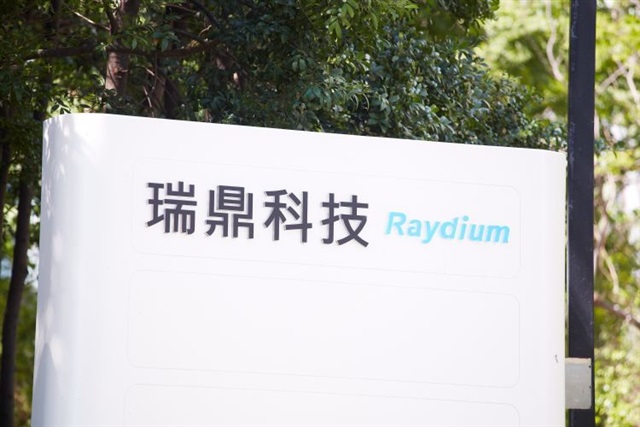
Raydium Semiconductor, un attore chiave nel settore dei semiconduttori, ha recentemente segnalato una domanda mista per i display, un'osservazione che riflette le complesse dinamiche attuali del mercato tecnicico. Questa tendenza è strettamente correlata all'emergere di un "ciclo IT guidato dall'intelligenza artificiale", un fenomeno che sta ridisegnando le tradizionali catene di approvvigionamento e le strategie di gestione dell'inventario a livello globale.
L'avanzamento rapido dell'intelligenza artificiale, in particolare nel campo dei Large Language Models (LLM), ha catalizzato un'ondata di investimenti e innovazioni. Questo ha portato a una riallocazione delle risorse e delle priorità produttive, con un'enfasi crescente su componenti specifici come le GPU ad alte prestazioni e la VRAM, essenziali per l'addestramento e l'inference dei modelli AI. Di conseguenza, altri segmenti del mercato IT, pur rimanendo vitali, possono sperimentare fluttuazioni nella domanda e nell'offerta.
Il ciclo AI e le nuove dinamiche di mercato
Il "ciclo IT guidato dall'AI" non si limita a stimolare la domanda di hardware specializzato; esso influenza l'intero ecosistema tecnicico. Le aziende stanno rivedendo le proprie strategie di investimento, spostando il focus verso infrastrutture capaci di supportare carichi di lavoro AI intensivi. Questo include non solo i data center cloud, ma anche un crescente interesse per i deployment on-premise, spinti da esigenze di sovranità dei dati, compliance e controllo sul Total Cost of Ownership (TCO).
La ridefinizione delle tendenze di inventario, come osservato da Raydium Semiconductor, è una conseguenza diretta di questi cambiamenti. La disponibilità di componenti, i tempi di consegna e i prezzi sono tutti fattori influenzati dalla priorità data alla produzione di silicio e moduli di memoria per l'AI. Per le imprese, ciò significa che la pianificazione dell'approvvigionamento e la gestione delle scorte devono essere più agili e lungimiranti, anticipando le fluttuazioni dettate dalle esigenze del settore AI.
Implicazioni per i deployment on-premise di LLM
Per le organizzazioni che stanno valutando o implementando soluzioni AI e LLM on-premise, le osservazioni di Raydium Semiconductor sono particolarmente rilevanti. La volatilità nella domanda e nell'offerta di componenti IT può avere un impatto diretto sulla capacità di costruire e scalare infrastrutture locali. La disponibilità di server, storage e, soprattutto, di acceleratori AI come le GPU, diventa un fattore critico per il successo di un progetto.
La pianificazione strategica è fondamentale. Le aziende devono considerare non solo le specifiche tecniche dei componenti (come la VRAM delle GPU o il throughput di rete), ma anche la loro reperibilità e i potenziali ritardi nella supply chain. Un'attenta analisi del TCO deve includere non solo i costi di acquisizione iniziali, ma anche i rischi legati alla disponibilità futura e alla necessità di adattarsi a un mercato in rapida evoluzione. AI-RADAR offre framework analitici su /llm-onpremise per valutare questi trade-off e supportare decisioni informate.
Prospettive future e gestione strategica
Il panorama tecnicico continuerà a evolversi rapidamente, con l'AI che rimarrà un motore centrale di innovazione. Le aziende come Raydium Semiconductor, che operano nella supply chain dei semiconduttori, saranno in prima linea nell'osservare e reagire a questi cambiamenti. La capacità di adattarsi a una domanda eterogenea e a tendenze di inventario in continua evoluzione sarà cruciale per mantenere la competitività.
Per i decision-maker IT, ciò significa adottare un approccio proattivo alla gestione dell'infrastruttura. Investire in architetture flessibili, esplorare opzioni di hardware diversificate e stabilire relazioni solide con i fornitori possono mitigare i rischi associati alle fluttuazioni del mercato. La comprensione delle dinamiche di domanda e offerta, anche in settori apparentemente distanti come quello dei display, fornisce indicazioni preziose sulla salute generale e sulle direzioni future del settore IT guidato dall'intelligenza artificiale.






💬 Commenti (0)
🔒 Accedi o registrati per commentare gli articoli.
Nessun commento ancora. Sii il primo a commentare!