AI Era Reshapes SMIC's Priorities: More Investment, Fewer Dividends
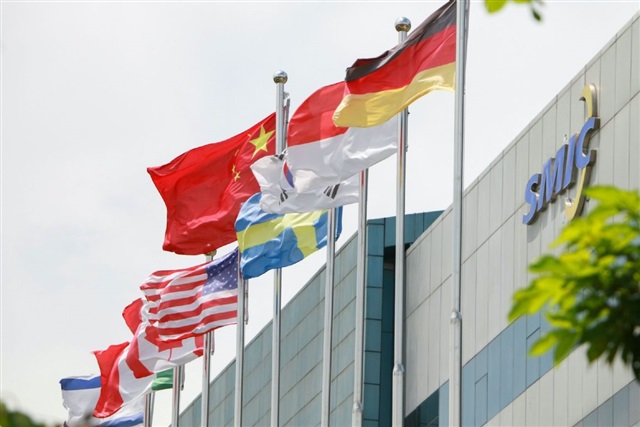
SMIC, one of the leading contract semiconductor manufacturers globally, is implementing a significant reorientation of its financial strategy. The company has announced a clear preference for capital investments over dividend distribution, a move that reflects the profound transformations occurring in the technology sector. This strategic decision is a direct response to the growing "AI boom," a phenomenon that is substantially redefining demand dynamics in the silicon market.
SMIC's choice underscores how artificial intelligence is no longer just an emerging trend but a driving force reshaping the investment priorities of key companies in the technology supply chain. For decision-makers evaluating AI infrastructure, this trend highlights the increasing pressure on production capacity and the need for careful planning in the procurement of specialized hardware.
The Impact of AI on Silicon Demand
The explosion of artificial intelligence, particularly with the advancement of Large Language Models (LLMs), has generated unprecedented demand for high-performance silicon. Chips like GPUs, with their parallel architecture and high VRAM, have become critical components for training and inference of complex models. This demand is not limited to large cloud providers but also extends to companies opting for self-hosted or on-premise deployments for reasons of data sovereignty, compliance, or long-term TCO.
For semiconductor manufacturers like SMIC, this demand translates into the need for massive investments in new fabs, advanced process technologies, and research and development. Such investments are capital-intensive and require a long-term vision, justifying the choice to prioritize reinvestment of profits rather than their distribution. The ability to meet this growing demand will be a determining factor for the success of both chip manufacturers and companies seeking to implement AI solutions.
Implications for the Supply Chain and TCO
The reorientation of investments by a key player like SMIC has significant implications for the entire global semiconductor supply chain. An increase in investment in production capacity could, in the long term, alleviate pressures on the availability of AI chips, but in the short to medium term, demand may continue to outstrip supply. This scenario can influence costs and delivery times for companies looking to build or expand their AI infrastructure.
For organizations considering an on-premise deployment of LLMs, hardware availability and cost are fundamental components of the Total Cost of Ownership (TCO). Market volatility in chips can complicate initial CapEx planning and the optimization of operational costs. Carefully evaluating the trade-offs between purchasing proprietary hardware and utilizing cloud services becomes even more crucial in this context. For those evaluating on-premise deployments, analytical frameworks are available on /llm-onpremise that offer tools to thoroughly assess costs and benefits.
Future Outlook and Data Sovereignty
SMIC's decision is a clear indicator of the strategic direction the semiconductor industry is taking, with AI at the core of its evolution. The emphasis on capital investments reflects the belief that the demand for specialized AI silicon will continue to grow exponentially, requiring ever-increasing and technologically advanced production capacities.
This trend also has important implications for data sovereignty and security. Companies operating in regulated sectors or handling sensitive data often prefer to maintain direct control over their AI infrastructure through air-gapped or self-hosted deployments. The availability of high-performance and reliable hardware is therefore a fundamental prerequisite for ensuring compliance and data protection, making chip manufacturers' investment strategies a critical factor for enterprise-level infrastructural decisions.







💬 Comments (0)
🔒 Log in or register to comment on articles.
No comments yet. Be the first to comment!