The Crucial Role of OSATs in the Semiconductor Supply Chain
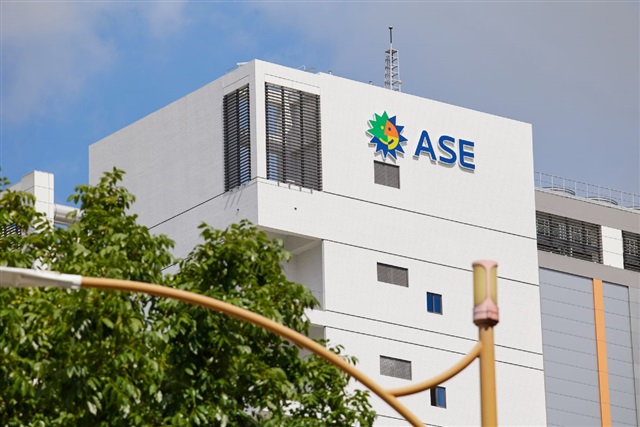
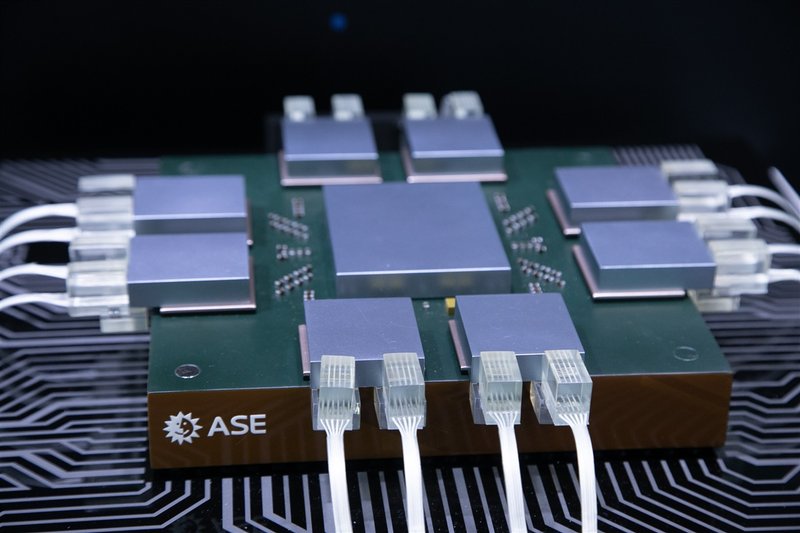
The global semiconductor supply chain is a complex ecosystem, where each link is fundamental to the production of chips that power every aspect of modern technology, from smartphones to AI data centers. Among these links, OSAT (Outsourced Semiconductor Assembly and Test) companies play a primary role. These entities specialize in the final stages of chip production: assembly (packaging) and testing. After silicio wafers are fabricated in foundries, they are sent to OSATs to be cut into individual chips, encapsulated in protective packages, and, crucially, subjected to rigorous functional and reliability tests.
Testing is a critical phase that ensures each chip meets the required specifications, identifying any defects before the component is integrated into a final product. The complexity of this phase is constantly increasing, especially with the advancement of high-performance chips intended for intensive workloads such as those of LLMs or High Performance Computing. Accurate testing is essential to ensure the quality and longevity of devices, preventing costly recalls or field malfunctions.
Pressure on Test Capacity and Rising Costs
According to DIGITIMES, the expansion of OSAT operations in Taiwan could significantly impact global semiconductor test capacity. This expansion, while aimed at meeting growing demand, risks creating a tightening of available capacity worldwide, leading to an increase in costs for testing services. This scenario is particularly relevant at a time when the demand for advanced chips continues to grow exponentially, driven by innovation in sectors such as artificial intelligence, automotive, and IoT.
A reduction in available test capacity directly translates into longer waiting times for chip manufacturers and, consequently, delays in the delivery of finished products. This not only affects time-to-market but can also create a ripple effect throughout the entire supply chain, influencing the availability of essential components for a wide range of industries. The increase in costs, on the other hand, erodes manufacturers' margins and can ultimately be passed on to end consumers or companies purchasing hardware.
Implications for On-Premise Deployments and TCO
For companies evaluating or managing on-premise deployments of AI and LLM infrastructures, these market dynamics take on strategic importance. The availability and cost of hardware, particularly high-performance GPUs with ample VRAM, are decisive factors for the Total Cost of Ownership (TCO) of a self-hosted solution. An increase in chip production costs, due to limited and more expensive test capacity, will inevitably be reflected in the purchase prices of graphics cards and servers.
This scenario makes infrastructure investment planning even more critical. Decisions regarding hardware procurement, scalability, and supply chain management must account for potential price fluctuations and availability. For those considering on-premise deployments, complex trade-offs exist between initial CapEx, long-term OpEx, and the need to ensure data sovereignty and compliance. AI-RADAR, for example, provides analytical frameworks on /llm-onpremise to support the evaluation of these trade-offs, offering tools for informed decisions. A strained supply chain can further complicate these assessments, pushing companies to consider more resilient and diversified sourcing strategies.
Future Outlook and Mitigation Strategies
The potential tightening of test capacity and rising costs highlight the inherent fragility of a highly interconnected and concentrated global supply chain. Technology companies will need to adopt proactive strategies to mitigate these risks. This could include diversifying OSAT suppliers, negotiating long-term contracts to secure capacity, or investing in in-house test capabilities, although the latter option involves significant CapEx and specialized expertise.
In a context of increasing demand for AI computing power, the resilience of the semiconductor supply chain becomes a key competitive factor. The ability to navigate a volatile market environment, characterized by potential bottlenecks and cost increases, will be crucial for ensuring operational continuity and innovation capability. Closely monitoring OSAT market dynamics and test capacity availability will be essential for decision-makers managing complex technological infrastructures.








💬 Comments (0)
🔒 Log in or register to comment on articles.
No comments yet. Be the first to comment!