
The Race for AI Infrastructure
The artificial intelligence sector is experiencing unprecedented expansion, fueled by massive investments in dedicated infrastructure. This "gold rush" is not only about developing increasingly sophisticated algorithms and Large Language Models (LLM) but also significantly extends to the physical foundation that supports them: data centers. The exponential increase in demand for computing capacity for training and Inference of complex models is driving companies to invest considerable sums to enhance their facilities.
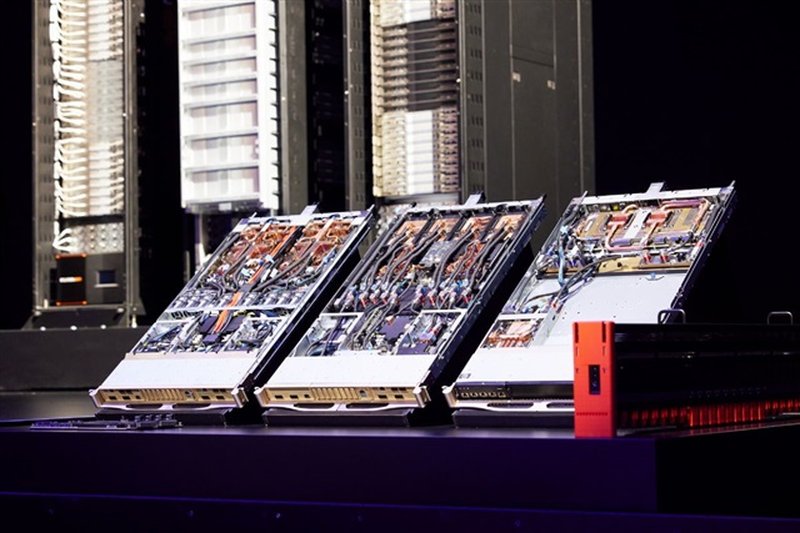
This scenario of accelerated growth translates into a surge in spending on specialized hardware, particularly high-performance Graphics Processing Units (GPUs), which are essential for AI workloads. However, the implementation of these technologies brings with it a series of infrastructural challenges that go far beyond the simple acquisition of components. Energy management and, above all, efficient cooling become critical factors for the sustainability and operability of these environments.
Cooling Challenges for Intensive Workloads
Modern GPUs, such as the NVIDIA A100 or H100 series, are designed to deliver extreme computational performance but also generate a significant amount of heat. A single server equipped with several of these units can consume tens of kilowatts and produce a thermal load equivalent to that of a small apartment. The effective dissipation of this heat is crucial not only to prevent hardware failures and ensure operational stability but also to optimize performance and extend the lifespan of components.
In this context, advanced cooling solutions, such as those offered by industry specialists, are becoming a key element of the infrastructural equation. This is no longer just about traditional air conditioners but sophisticated systems that include direct-to-chip liquid cooling, high-density heat exchangers, and optimized airflow architectures. The ability to effectively manage heat is a distinguishing factor for data centers aiming to host the next generations of AI workloads.
Implications for On-Premise Deployment and TCO
For organizations evaluating the deployment of LLMs and other AI applications in self-hosted or air-gapped environments, thermal management takes on even greater importance. Unlike large cloud infrastructures, which can benefit from economies of scale and specialized design, on-premise data centers must face these challenges with often more limited resources and space. Energy consumption for cooling directly impacts the overall Total Cost of Ownership (TCO), representing a significant expenditure item that goes beyond the initial hardware cost.
The choice between different cooling architectures and their integration with existing infrastructure requires careful planning. Factors such as power density per rack, water availability, and overall power usage effectiveness (PUE) become crucial metrics. For those evaluating on-premise deployments, analytical frameworks are available on /llm-onpremise that can help assess the trade-offs between performance, operational costs, and infrastructural requirements, ensuring that decisions align with data sovereignty and control objectives.
Future Outlook for the AI Ecosystem
The current "spending frenzy" for AI data centers shows no signs of slowing down. As models become larger and real-time Inference demands increase, the need for increasingly powerful and efficient infrastructure will become even more pressing. This will drive innovation not only in chips and algorithms but also in supporting technologies such as cooling and power distribution.
Companies that can anticipate and invest in robust and scalable infrastructural solutions will be better positioned to fully leverage the potential of artificial intelligence. The ability to effectively manage the physical data center environment, particularly the heat generated by AI workloads, will be a key differentiator in the competitive landscape. This trend underscores how AI innovation is intrinsically linked to the evolution of its hardware and infrastructural foundations.





💬 Comments (0)
🔒 Log in or register to comment on articles.
No comments yet. Be the first to comment!