Introduzione
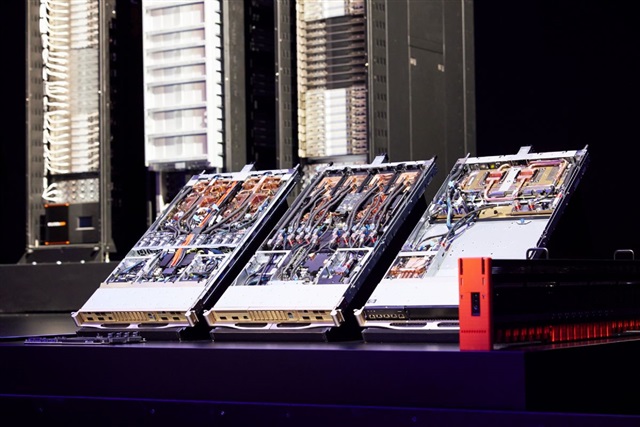
Il panorama dell'intelligenza artificiale è in rapida evoluzione, con Large Language Models (LLM) e altri carichi di lavoro computazionalmente intensivi che spingono i limiti delle infrastrutture IT esistenti. Un aspetto cruciale, spesso sottovalutato ma fondamentale per la scalabilità e la sostenibilità di queste tecnicie, è la gestione della potenza e del raffreddamento all'interno dei data center. Secondo quanto riportato da DIGITIMES, un profondo rinnovamento in questi ambiti è destinato a ridefinire l'intera infrastruttura globale dedicata all'AI.
Questa trasformazione non riguarda solo l'efficienza energetica, ma anche la capacità di ospitare hardware sempre più denso e potente, essenziale per l'addestramento e l'Inference di modelli AI complessi. Le implicazioni si estendono dalla progettazione dei nuovi impianti alla modernizzazione di quelli esistenti, con un impatto diretto sul Total Cost of Ownership (TCO) e sulle strategie di deployment.
Le sfide dell'AI per l'infrastruttura
I carichi di lavoro AI, in particolare quelli legati agli LLM, richiedono una densità computazionale senza precedenti. GPU di ultima generazione, come le serie NVIDIA H100 o A100, sono progettate per offrire performance eccezionali, ma generano anche quantità significative di calore e richiedono un'elevata alimentazione elettrica. Un singolo rack può ospitare decine di queste unità, superando di gran lunga le capacità di potenza e raffreddamento previste per i data center tradizionali.
Questa esigenza si traduce in diverse sfide. I sistemi di raffreddamento ad aria convenzionali faticano a dissipare il calore prodotto, portando a problemi di throttling delle performance o, nel peggiore dei casi, a guasti hardware. Inoltre, la richiesta energetica per alimentare questi cluster e i relativi sistemi di raffreddamento incide pesantemente sui costi operativi, rendendo la gestione termica un fattore critico nella valutazione del TCO di un'infrastruttura AI.
Soluzioni e implicazioni per il Deployment
Per affrontare queste sfide, l'industria sta esplorando e adottando soluzioni avanzate. Il raffreddamento a liquido, in particolare il direct-to-chip o l'immersione, sta emergendo come alternativa più efficiente rispetto all'aria, consentendo densità di potenza per rack molto più elevate. Tuttavia, l'implementazione di queste tecnicie richiede investimenti significativi in termini di CapEx per l'adeguamento delle strutture e la formazione del personale.
Per le organizzazioni che optano per deployment self-hosted o on-premise, la pianificazione e l'implementazione di un'infrastruttura di potenza e raffreddamento adeguata diventano prioritarie. Questo approccio offre vantaggi in termini di sovranità dei dati e controllo, ma comporta una maggiore complessità nella gestione fisica dell'hardware e dell'ambiente. La scelta tra un'infrastruttura proprietaria e l'utilizzo di servizi cloud dipende sempre più dalla capacità di gestire questi vincoli fisici. Per chi valuta deployment on-premise, esistono trade-off significativi che AI-RADAR analizza attraverso framework dedicati su /llm-onpremise, offrendo strumenti per una valutazione informata delle diverse opzioni.
Prospettive future e impatto strategico
Il rinnovamento delle infrastrutture di potenza e raffreddamento è un processo continuo che influenzerà profondamente la strategia di deployment dell'AI a livello globale. L'innovazione in questo settore non si limiterà solo all'efficienza dei sistemi, ma anche alla progettazione di data center più sostenibili e resilienti, capaci di supportare la prossima generazione di carichi di lavoro AI.
La capacità di un'azienda di implementare e scalare le proprie soluzioni AI sarà sempre più legata alla sua infrastruttura fisica. Questo rende la comprensione e l'investimento in tecnicie di potenza e raffreddamento non solo una questione tecnica, ma una decisione strategica fondamentale per mantenere un vantaggio competitivo e garantire la compliance con le normative sulla sovranità dei dati, specialmente in ambienti air-gapped o con requisiti stringenti.






💬 Commenti (0)
🔒 Accedi o registrati per commentare gli articoli.
Nessun commento ancora. Sii il primo a commentare!