Iran Accuses US of Sabotage via Backdoors in Network Equipment
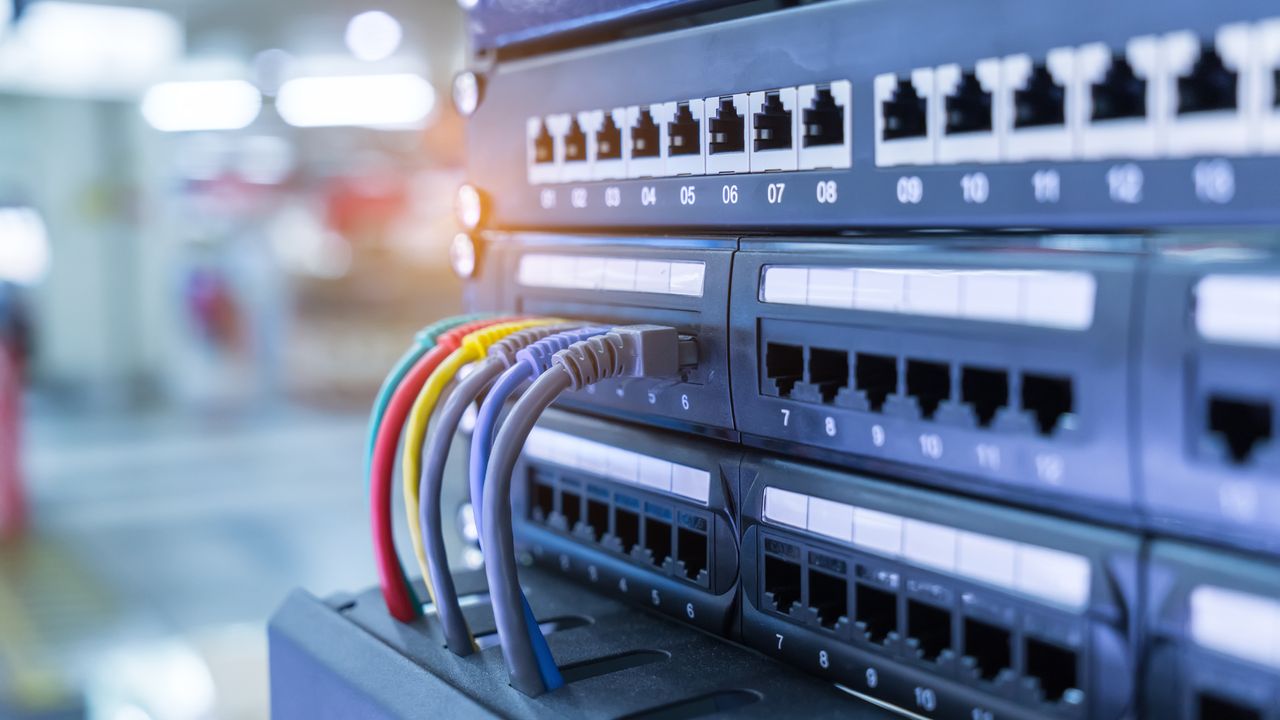
Iran has recently leveled serious accusations against the United States, claiming Washington exploited backdoors present in networking equipment, including devices manufactured by Cisco and other companies, during recent attacks. According to Tehran's statements, these devices failed despite implemented blackout measures, a failure Iran interprets as an indication of "deep sabotage."
These claims, while not independently verified, highlight the complex and delicate issues related to critical infrastructure security and trust in the global technological supply chain. The alleged vulnerability of essential network connectivity components raises fundamental questions for any organization managing sensitive data or strategic workloads.
The Implications of Backdoors in Network Infrastructure
The concept of a "backdoor" refers to a hidden method to bypass normal authentication or encryption procedures in a computer system, device, or software. Such unauthorized accesses can be intentional, inserted by manufacturers for legitimate purposes (like maintenance or recovery), or they can be the result of vulnerabilities exploited by malicious actors or, as in this case, by state entities.
The presence of backdoors in networking equipment, such as routers, switches, or firewalls, poses a significant risk. These devices are the backbone of any digital infrastructure, controlling data flow and ensuring connectivity. Their compromise can lead to service interruptions, data exfiltration, or, as suggested by the Iranian accusations, targeted sabotage even under conditions of network isolation (air-gapped or blackout). The specific mention of Cisco, a global player in the sector, amplifies concerns about supply chain security.
Data Sovereignty and On-Premise Deployment: A Response to Threats
For CTOs, DevOps leads, and infrastructure architects, incidents like the one described by Iran reinforce the importance of stringent control over the IT environment. Choosing an on-premise deployment, compared to public cloud-based solutions, often emerges as a strategy to mitigate risks associated with potential supply chain vulnerabilities or external interference.
Data sovereignty, regulatory compliance, and the need to operate in air-gapped environments are key factors driving organizations to invest in self-hosted infrastructures. This approach allows for greater control over hardware, software, and network configurations, reducing reliance on third parties and the attack surface. While on-premise deployments involve Total Cost of Ownership (TCO) and resource management considerations, they offer a level of security and autonomy that can be crucial for AI/LLM workloads processing highly sensitive information. For those evaluating on-premise deployments, AI-RADAR offers analytical frameworks on /llm-onpremise to assess the trade-offs between control, security, and operational costs.
The Persistent Challenge of Trust in Digital Infrastructures
The Iranian accusations, regardless of their verification, highlight an undeniable reality: the security of digital infrastructures is intrinsically linked to trust in the hardware and software components that constitute them. In an era of increasing geopolitical complexity and technological dependence, the possibility that networking devices could be compromised by backdoors, intentional or not, represents a constant threat.
This situation compels companies and nations to adopt a proactive approach to security, which includes thorough supply chain verification, the implementation of rigorous security policies, and the continuous evaluation of deployment options. Protection against "deep sabotage" requires not only advanced technical solutions but also a strategic awareness of the risks and long-term implications for digital resilience and autonomy.









💬 Comments (0)
🔒 Log in or register to comment on articles.
No comments yet. Be the first to comment!