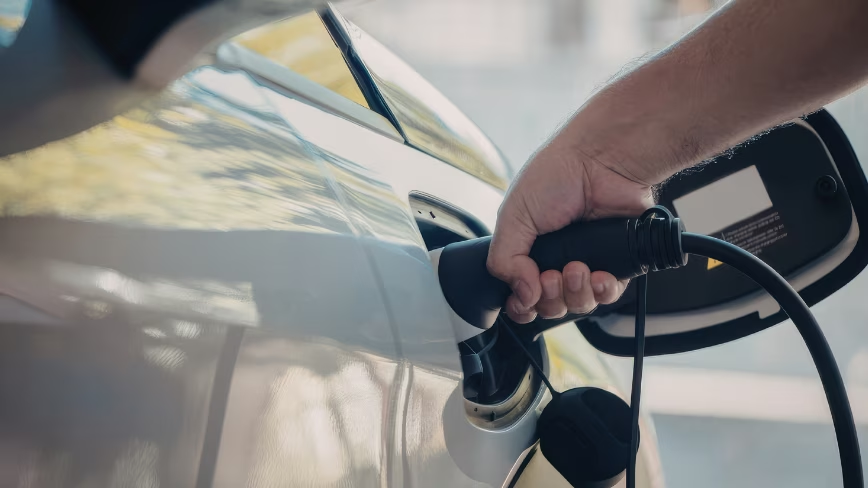
L'Espansione dei Veicoli Elettrici Cinesi in Canada
Il panorama automobilistico canadese è in fermento per l'imminente ingresso dei veicoli elettrici (EV) di produzione cinese. Un segnale chiaro di questo interesse è l'elevato numero di concessionari, quasi 400, che si stanno già contendendo l'opportunità di distribuire questi nuovi modelli sul territorio. Questa dinamica evidenzia una fase di profonda trasformazione nel settore, spinta sia dalla crescente domanda di soluzioni di mobilità sostenibile sia dall'espansione aggressiva dei produttori asiatici sui mercati internazionali.
L'arrivo di nuovi attori comporta una ridefinizione delle strategie di mercato per i rivenditori e una potenziale accelerazione nell'adozione dei veicoli elettrici da parte dei consumatori. Per le aziende e i decision-maker, comprendere queste dinamiche è cruciale per anticipare i cambiamenti nelle catene di approvvigionamento, nelle infrastrutture di ricarica e nelle aspettative dei clienti, elementi che possono influenzare anche investimenti in tecnicie correlate.
Un'Ispezione Diretta e Impressioni Positive
Michael MacGillivray, CEO di Century Auto Group e Sigma Auto Group, un'entità che gestisce dieci concessionarie tra la Nuova Scozia e il New Brunswick, ha intrapreso un viaggio significativo ad aprile. Si è recato al Salone dell'Auto di Pechino con l'obiettivo di incontrare i principali produttori automobilistici cinesi e di testare personalmente i loro veicoli. La sua esperienza si è rivelata estremamente positiva.
MacGillivray ha espresso un notevole apprezzamento per la qualità costruttiva e i materiali impiegati, dichiarando a CNBC che "hanno materiali che non sono secondi a nessuno". Questa testimonianza diretta da parte di un operatore di mercato con esperienza pluriennale sottolinea la maturità e la competitività raggiunta dall'industria automobilistica cinese nel segmento degli EV, sfidando percezioni preesistenti sulla qualità dei prodotti provenienti da tale regione.
Implicazioni per il Mercato e la Supply Chain
L'ingresso di un numero così elevato di veicoli elettrici cinesi nel mercato canadese solleva diverse questioni strategiche. Dal punto di vista della supply chain, si prospettano nuove opportunità e sfide legate alla logistica, alla disponibilità di ricambi e alla formazione del personale tecnico. I concessionari dovranno adattare le proprie infrastrutture e i modelli di servizio per supportare una gamma di prodotti potenzialmente molto diversa da quella tradizionale.
Per i decision-maker nel settore tecnicico, l'analisi di questi fenomeni di mercato può offrire spunti su come le nuove tecnicie (anche al di fuori dell'AI) vengano introdotte e scalate. La valutazione del TCO (Total Cost of Ownership) per l'adozione di nuove flotte, la gestione della compliance e la sovranità dei dati (se i veicoli raccolgono dati) diventano aspetti centrali, sebbene la fonte non fornisca dettagli specifici su questi punti per gli EV.
Prospettive Future e Competizione Aumentata
L'interesse manifestato da quasi 400 concessionari canadesi per la vendita di veicoli elettrici cinesi preannuncia una competizione accesa. Questo scenario potrebbe portare a una maggiore offerta per i consumatori, potenzialmente con prezzi più competitivi e una più ampia varietà di modelli e funzionalità. Per i produttori tradizionali, l'arrivo di questi nuovi concorrenti richiederà un'accelerazione nell'innovazione e un rafforzamento delle proprie proposte di valore.
In un contesto globale dove l'innovazione è rapida, l'industria automobilistica, come molti altri settori, è costantemente sotto pressione per evolvere. L'esperienza di MacGillivray al Salone di Pechino funge da monito e da stimolo per tutti gli attori del mercato, evidenziando come la qualità e la tecnicia possano emergere da fonti inaspettate, ridefinendo gli equilibri competitivi a livello internazionale.







💬 Commenti (0)
🔒 Accedi o registrati per commentare gli articoli.
Nessun commento ancora. Sii il primo a commentare!