
AI Boom Drives Taiwan's Semiconductor Testing Industry to Record Growth
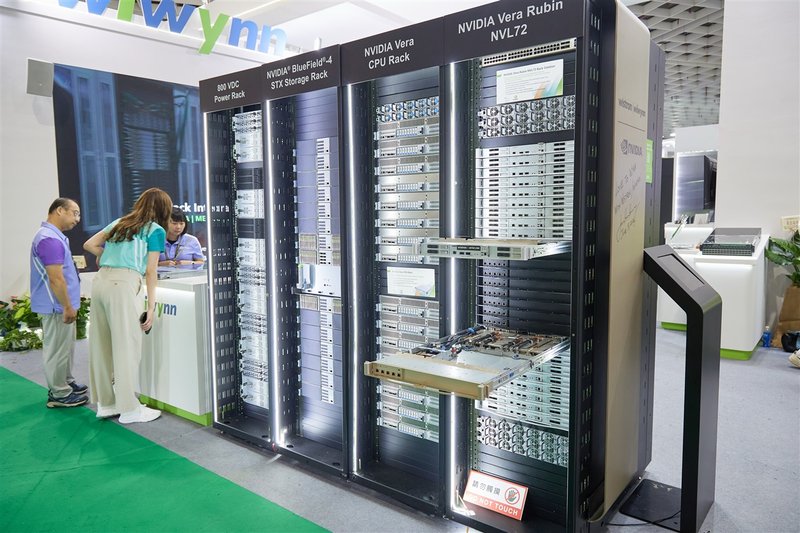
The global artificial intelligence industry is experiencing an unprecedented period of expansion, with significant impacts across various technology sectors. Among these, Taiwan's semiconductor industry emerges as a key player, particularly in the testing segment. The increasing demand for high-performance chips, fundamental for training and Inference of Large Language Models (LLMs) and other AI applications, is pushing Taiwan's semiconductor testing sector towards record growth.
This expansion is not merely an indicator of market vitality but also a reflection of the complexity and criticality of the hardware components powering the AI ecosystem. For CTOs, DevOps leads, and infrastructure architects evaluating on-premise deployments, the robustness and reliability of these chips are fundamental parameters.
The Complexity of AI Chips and the Importance of Testing
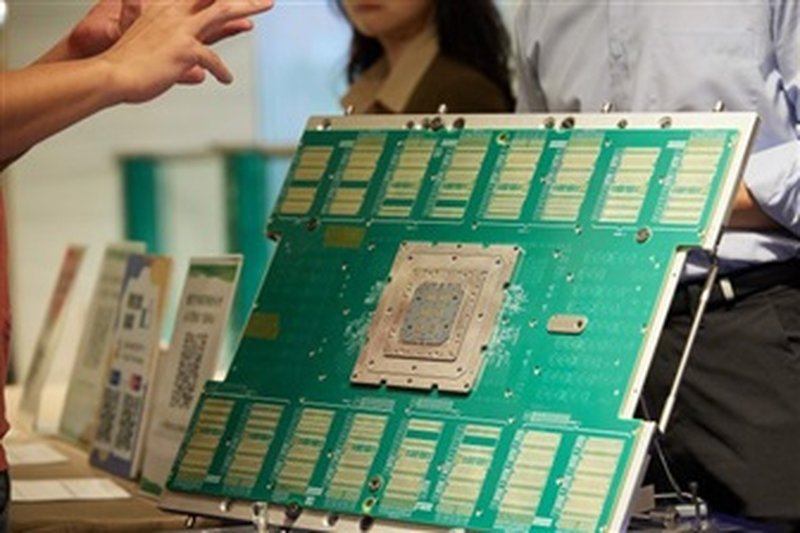
Modern artificial intelligence chips, such as advanced GPUs and dedicated accelerators, are extremely complex architectures. They integrate millions, if not billions, of transistors and require extremely precise manufacturing and verification processes. The functionality, performance, and reliability of these components largely depend on the quality of the tests they undergo before being integrated into final systems.
Rigorous testing is crucial to ensure that chips can handle intensive workloads, such as those required by LLMs, without errors or performance degradation. This includes verifying VRAM, memory bandwidth, computing capability, and thermal dissipation. For companies investing in self-hosted AI infrastructures, upstream quality assurance translates into lower operational risks and a more predictable TCO in the long term.
Global Context and Implications for On-Premise Deployments
Taiwan has consolidated its position as a global hub for semiconductor manufacturing, and its role in testing is equally strategic. The expansion in this segment indicates increased production capacity and greater attention to quality throughout the chip production pipeline. This is a positive factor for the global market, as it helps meet the growing demand for AI hardware.
For organizations prioritizing data sovereignty and complete control over their infrastructures, opting for on-premise or air-gapped deployments, the availability of tested and reliable hardware is a prerequisite. The growth of Taiwan's testing sector, therefore, indirectly supports these companies' ability to build and scale their AI solutions with greater confidence in the quality of fundamental components. For those evaluating the trade-offs between self-hosted and cloud solutions, AI-RADAR offers analytical frameworks on /llm-onpremise to delve deeper into these considerations.
Future Prospects for AI Hardware
The current AI boom will continue to exert pressure on the semiconductor supply chain. Innovation in testing processes will be crucial to keep pace with the evolution of chip architectures, which will become increasingly specialized and powerful. This includes adopting new methodologies to test data integrity, resilience to high loads, and energy efficiency—critical aspects for LLM operations.
The expansion of Taiwan's testing sector signals that the industry is gearing up to support the next wave of innovation in artificial intelligence. For technology decision-makers, monitoring these developments is essential for planning future investments in AI infrastructures, ensuring that hardware choices align with performance, reliability, and control requirements.






💬 Comments (0)
🔒 Log in or register to comment on articles.
No comments yet. Be the first to comment!