China Redefines Access to the AI Chip Market
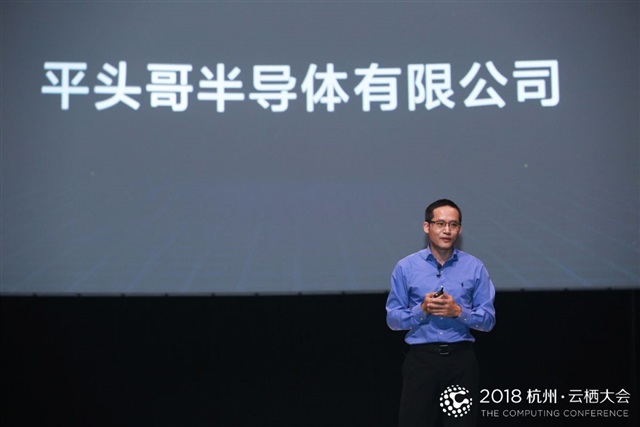
The People's Republic of China has introduced a new certification system for artificial intelligence chips, a move poised to become a significant "gatekeeper" for access to its vast and strategic technology market. This initiative, which sees players like T-Head Semiconductor in a leading role, signals a further evolution in the geopolitical dynamics influencing the development and deployment of AI technologies globally.
For companies operating in the sector, this certification is not merely a bureaucratic requirement but a critical factor that could reshape hardware procurement strategies and system architectures. The ability to access certain markets or utilize specific hardware components will increasingly be tied to compliance with nationally imposed standards and validation processes.
Implications for Data Sovereignty and Supply Chains
The introduction of national certification for AI chips raises fundamental questions regarding data sovereignty and the security of supply chains. For CTOs, DevOps leads, and infrastructure architects, hardware selection has never been solely a matter of performance or TCO; now, geopolitical and compliance factors carry even greater weight. The availability of certified chips could limit options for companies seeking to maintain control over their data through self-hosted or air-gapped deployments.
This scenario necessitates a careful evaluation of trade-offs. While certification might guarantee a certain level of quality or security according to Chinese standards, it could also introduce complexities and delays in procurement for international companies. The need to diversify suppliers and thoroughly understand the implications of each hardware component becomes crucial for mitigating risks and ensuring the resilience of AI infrastructures.
Challenges for On-Premise LLM Deployments
For those evaluating Large Language Model (LLM) deployments in on-premise environments, AI chip certification adds another layer of complexity. GPU selection, for instance, is already a delicate process requiring a balance of VRAM, throughput, and costs. The introduction of specific certification requirements for chips could narrow the pool of available hardware or make the acquisition of compliant components more burdensome.
This scenario might prompt companies to reconsider the origin of their hardware components, favoring suppliers who can guarantee compliance with various international certification regimes. AI infrastructure planning, which already includes considerations for CapEx, OpEx, and energy consumption, will now also need to integrate an analysis of risks related to geopolitical compliance and the availability of certified silicon.
Future Outlook and Mitigation Strategies
China's move could trigger a chain reaction, with other countries or economic blocs potentially considering the introduction of their own AI silicon certifications, creating an even more fragmented landscape. This scenario demands a proactive strategy from companies, which must constantly monitor the evolution of regulations and trade policies.
For technology decision-makers, it is essential to develop a resilient procurement strategy that considers supplier diversification and architectural flexibility. The goal is to ensure that AI infrastructures can continue to operate effectively, maintaining data sovereignty and cost control, even in a rapidly evolving global context. AI-RADAR offers analytical frameworks on /llm-onpremise to evaluate these trade-offs and support strategic decisions on on-premise deployments.






💬 Comments (0)
🔒 Log in or register to comment on articles.
No comments yet. Be the first to comment!