Fositek e la Crescente Domanda di Raffreddamento per i Server AI
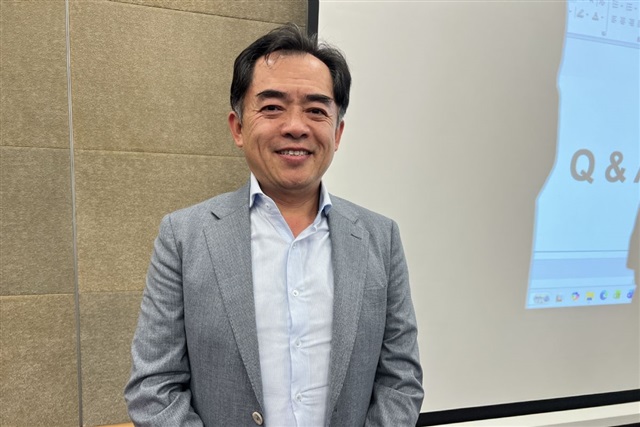
L'industria dei componenti di Taiwan continua a giocare un ruolo strategico nell'ecosistema tecnicico globale, e l'ascesa dell'intelligenza artificiale non fa eccezione. Fositek, un produttore taiwanese di componenti, si trova al centro di questa dinamica, registrando un significativo aumento della domanda per le sue soluzioni di raffreddamento destinate ai server AI. An-Tzu Hsu, presidente dell'azienda, ha confermato questa tendenza, sottolineando come l'esplosione dei Large Language Models (LLM) e di altri carichi di lavoro computazionalmente intensivi stia ridefinendo i requisiti infrastrutturali.
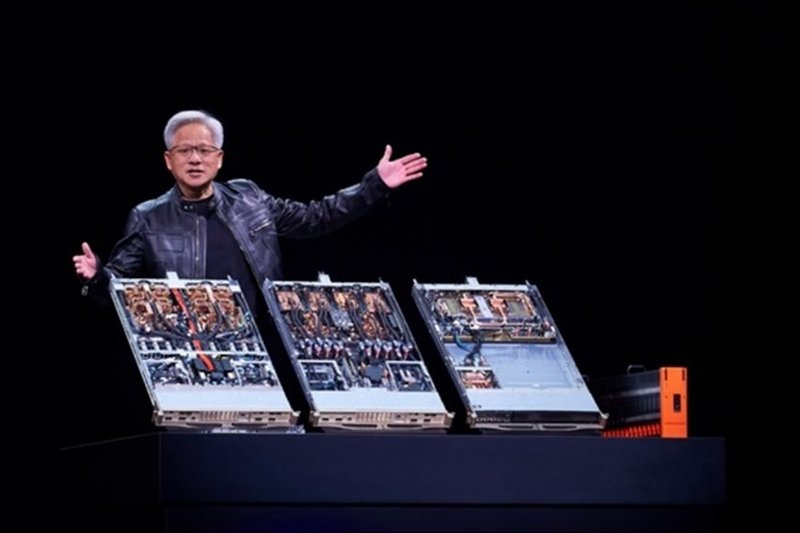
Questa crescita non è casuale, ma riflette una necessità intrinseca delle moderne architetture AI. I server dedicati all'addestramento e all'Inference di modelli complessi generano quantità di calore senza precedenti, rendendo il raffreddamento un fattore non più secondario, ma cruciale per l'affidabilità e l'efficienza operativa.
La Sfida Termica dei Data Center AI
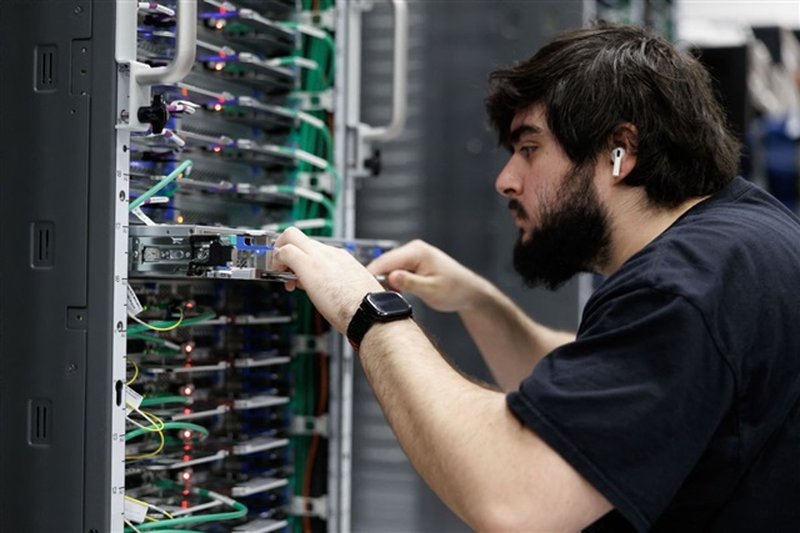
Il cuore dei server AI è spesso costituito da un cluster di GPU ad alte prestazioni, come le NVIDIA A100 o H100, che possono consumare centinaia di watt ciascuna e generare un'enorme quantità di calore. La densità di potenza in un singolo rack può raggiungere livelli che superano di gran lunga le capacità dei sistemi di raffreddamento ad aria tradizionali. Questa intensità termica impone ai data center, in particolare a quelli self-hosted o on-premise, di adottare soluzioni avanzate.
Il raffreddamento efficiente non è solo una questione di stabilità operativa; influisce direttamente sulla performance delle GPU, prevenendo il throttling termico che riduce la capacità di elaborazione. Inoltre, ha un impatto diretto sul TCO complessivo dell'infrastruttura, incidendo sui costi energetici e sulla durata dei componenti. La gestione del calore diventa quindi un elemento distintivo nella progettazione e nel deployment di stack AI locali.
Implicazioni per i Deployment On-Premise e il TCO
Per le organizzazioni che valutano il deployment di LLM e altri carichi di lavoro AI in ambienti on-premise, la scelta delle soluzioni di raffreddamento è una decisione strategica. Un'infrastruttura di raffreddamento robusta e scalabile è fondamentale per garantire la sovranità dei dati e la conformità, permettendo di mantenere i dati sensibili all'interno dei propri confini fisici, anche in ambienti air-gapped. Tuttavia, ciò comporta investimenti significativi in CapEx e OpEx.
Le soluzioni di raffreddamento a liquido, ad esempio, offrono una maggiore efficienza termica rispetto all'aria, consentendo densità di rack più elevate e potenzialmente riducendo l'ingombro fisico del data center. Tuttavia, introducono complessità aggiuntive in termini di installazione, manutenzione e requisiti infrastrutturali. La valutazione di questi trade-off è essenziale per CTO e architetti infrastrutturali. Per chi desidera approfondire l'analisi dei costi e dei benefici dei deployment on-premise rispetto alle alternative cloud, AI-RADAR offre framework analitici e risorse su /llm-onpremise.
Prospettive Future per l'Innovazione nel Raffreddamento AI
La crescente domanda di server AI non accenna a diminuire, e con essa l'esigenza di soluzioni di raffreddamento sempre più innovative ed efficienti. Aziende come Fositek si trovano in una posizione chiave per capitalizzare su questa tendenza, sviluppando tecnicie che possano supportare la prossima generazione di hardware AI. L'innovazione nel raffreddamento è un fattore abilitante per l'evoluzione dell'AI, permettendo l'uso di chip più potenti e densi, e spingendo i limiti di ciò che è possibile realizzare in termini di capacità computazionale.
Il mercato dei componenti per il raffreddamento dei server AI è destinato a crescere, con un'attenzione sempre maggiore all'efficienza energetica e alla sostenibilità. Questo non solo influenzerà la progettazione dei data center, ma anche le strategie di deployment delle aziende che cercano di bilanciare performance, costi e controllo sui propri asset AI.





💬 Commenti (0)
🔒 Accedi o registrati per commentare gli articoli.
Nessun commento ancora. Sii il primo a commentare!