The Challenge of AI Energy Demand
The explosion of Large Language Models (LLMs) and, more generally, AI-related workloads, is posing significant challenges on the energy consumption front. This growing hunger for power not only concerns operational efficiency but directly impacts the design and sustainability of the infrastructures hosting these technologies. The need to power increasingly potent accelerator arrays, such as the latest generation GPUs, requires a fundamental rethinking of energy delivery methodologies.
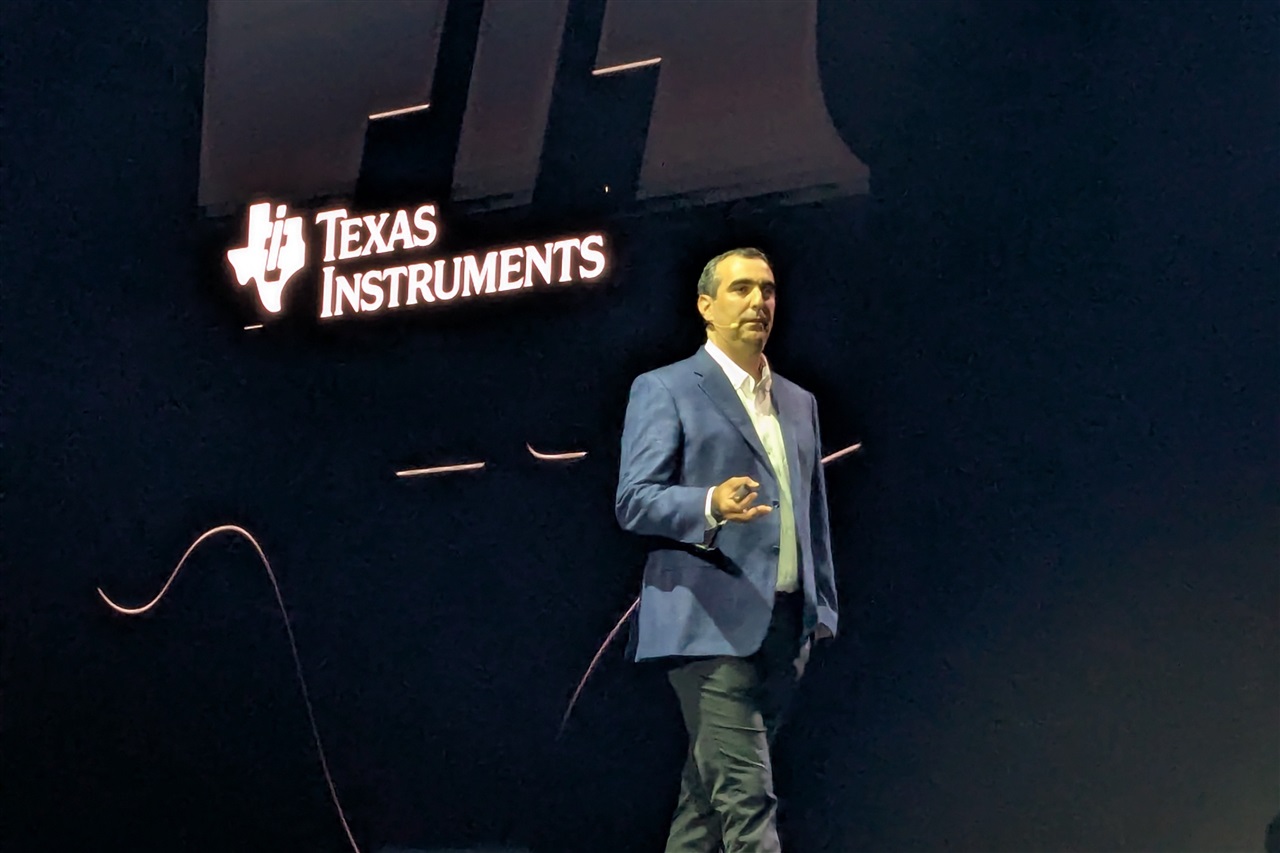
In this scenario, the industry is observing a clear evolution in power delivery strategies. Jeff Morroni, Vice President and head of R&D of Texas Instruments' Kilby Labs, highlighted how AI's energy demand is driving a transition towards new power delivery methodologies and the adoption of smaller hardware modules. This direction is crucial for keeping pace with the computational and thermal requirements of modern AI systems.
Technical Details: Vertical Power Delivery and Compact Modules
"Vertical power delivery" represents an innovative approach to energy delivery within chips and modules. Traditionally, power is distributed laterally, occupying valuable space on the die or board. Adopting a vertical architecture allows for reducing the distances between voltage regulators and power-consuming components, minimizing losses and improving overall efficiency. This is crucial for modern AI accelerators, such as GPUs, which require extremely high current peaks and impeccable voltage stability to operate at their full capacity.
In parallel, the push towards "smaller modules" addresses the need to increase computational density within servers and racks. Compact modules not only optimize physical space but also facilitate better thermal management, a critical aspect when handling tens or hundreds of kilowatts per rack. This miniaturization is often enabled by advanced packaging techniques and the integration of multiple functionalities into a single component, reducing footprint and signal paths, which translates into greater efficiency and performance.
Implications for On-Premise Deployments
For companies evaluating on-premise deployments of AI workloads, these trends have direct implications for infrastructure planning and investment. Energy efficiency and hardware module density translate into a more favorable TCO, reducing both energy-related operational costs (OpEx) and the need for significant physical infrastructure expansions (CapEx). Better thermal management, for example, can reduce reliance on complex and expensive cooling systems, a decisive factor for long-term sustainability.
The ability to host more computing power in a reduced space is fundamental for those seeking to maintain full control over their data and models, opting for self-hosted or air-gapped solutions. Data sovereignty and regulatory compliance are often the primary drivers behind choosing a local infrastructure, and the evolution of hardware in this direction makes on-premise deployments increasingly competitive compared to cloud alternatives, especially for intensive and long-term workloads. For those evaluating these trade-offs, AI-RADAR offers analytical frameworks on /llm-onpremise to delve into the various options and associated constraints.
Future Perspectives and Trade-offs
The adoption of vertical power delivery architectures and more compact modules is not without challenges. It requires new skills in design and assembly, as well as potential initial investments in advanced packaging technologies and the redesign of cooling systems. However, the long-term benefits in terms of efficiency, density, and thermal management are expected to outweigh these obstacles, driving innovation in the AI hardware sector and enabling previously unthinkable configurations.
Ultimately, the direction indicated by experts like Jeff Morroni underscores how the evolution of AI is not just a matter of algorithms and models, but also of physical infrastructure. The ability to manage increasing energy demand efficiently and sustainably will be a decisive factor for the success of AI deployments, both on-premise and hybrid, in the coming years, directly influencing the strategic decisions of CTOs and infrastructure architects.





💬 Comments (0)
🔒 Log in or register to comment on articles.
No comments yet. Be the first to comment!