Nvidia and the Expansion into the CPU Market with Vera
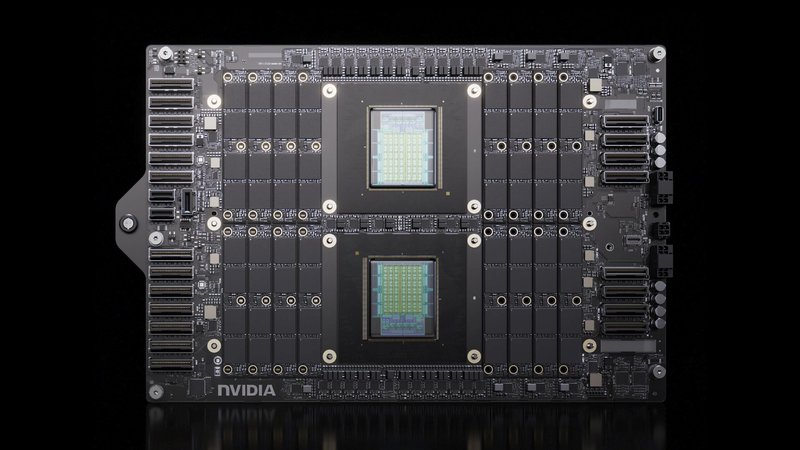
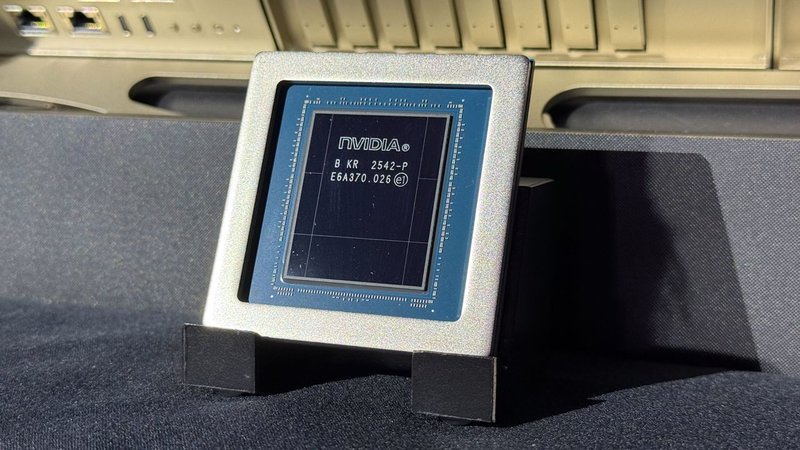
Nvidia, a company historically dominant in the GPU sector, is strengthening its strategy in the Central Processing Unit (CPU) market with the Vera project. This initiative marks a further step in Nvidia's ambition to offer complete computing solutions, integrating both graphics acceleration and general processing power. The introduction of new CPUs like Vera is set to redefine server and system architectures dedicated to artificial intelligence and high-performance computing.
The impact of this move extends beyond the CPU market alone. Analysts anticipate that Nvidia's push with Vera will have a positive effect on the outlook for LPDDR (Low-Power Double Data Rate) memory, a type of RAM traditionally associated with mobile devices but now gaining traction in other areas.
The Role of LPDDR Memory in Future Architectures
LPDDR memory stands out for its energy efficiency and bandwidth density, characteristics that make it increasingly attractive for specific workloads, particularly those related to Large Language Models (LLM) Inference and other AI applications. While High Bandwidth Memory (HBM) and Graphics Double Data Rate (GDDR) still dominate the high-performance GPU segment, LPDDR offers an interesting compromise in terms of power consumption and cost per gigabyte, crucial factors for large-scale deployments.
The adoption of LPDDR by a CPU like Vera suggests that Nvidia is aiming to optimize the entire hardware stack for specific scenarios. This could include systems for edge computing, low-power Inference servers, or integrated solutions where energy efficiency is a priority. For memory manufacturers like Samsung and SK Hynix, this trend translates into new market opportunities and a potential increase in demand for their LPDDR solutions.
Implications for On-Premise Deployments and TCO
The choice of memory and CPU/GPU architecture has a direct impact on the Total Cost of Ownership (TCO) and system performance, especially for companies opting for self-hosted or hybrid deployments. The energy efficiency of LPDDR, combined with an optimized CPU like Vera, could offer a significant advantage in terms of long-term operational costs, reducing power consumption and heat generated in data centers.
For CTOs, DevOps leads, and infrastructure architects evaluating self-hosted alternatives to cloud solutions, the availability of hardware such as Vera CPUs with LPDDR support introduces new variables into the equation. The ability to maintain data sovereignty and complete control over the infrastructure, coupled with competitive TCO, makes these solutions particularly appealing. AI-RADAR provides analytical frameworks on /llm-onpremise to evaluate the trade-offs between different architectures and deployment strategies.
Future Prospects for the AI Hardware Ecosystem
Nvidia's initiative with the Vera CPU and its impact on LPDDR memory reflect a broader trend in the industry: the convergence and optimization of hardware for AI workloads. Companies are seeking solutions that not only offer high performance but are also energy-efficient and scalable. The choice between different memory types – HBM for maximum bandwidth, GDDR for discrete GPUs, and LPDDR for efficiency and density – will become increasingly strategic.
This evolution drives chip manufacturers to constantly innovate, proposing increasingly integrated and specialized architectures. For technology decision-makers, understanding these dynamics is crucial for building resilient, high-performing, and sustainable AI infrastructures capable of addressing the future challenges of on-premise and hybrid computing.







💬 Comments (0)
🔒 Log in or register to comment on articles.
No comments yet. Be the first to comment!