
A New Horizon for EV Infrastructure in Europe
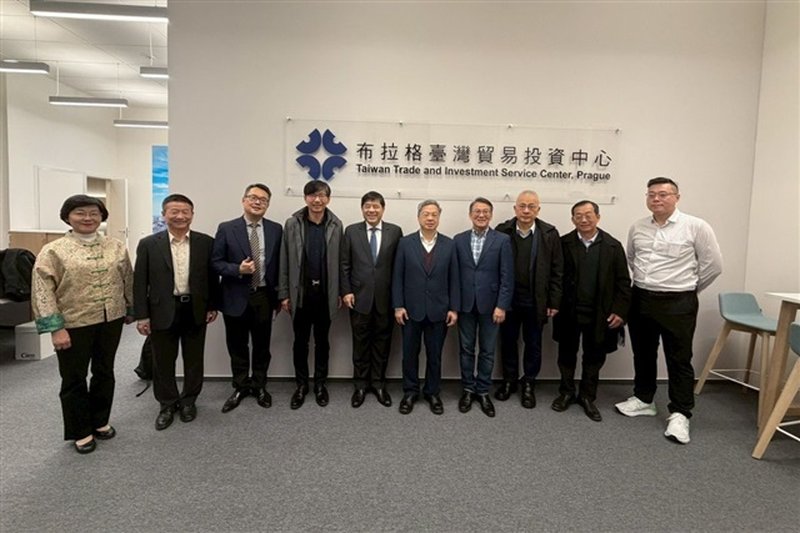
Taiwanese companies specializing in electric vehicle (EV) charging solutions are turning their attention to the European market, recognizing the energy trading sector as an area of significant potential. This strategic move suggests a broader vision for the role of charging infrastructures, transforming them from mere energy delivery points into active nodes within a more complex and dynamic energy network. The ongoing energy transition in Europe, with the increasing integration of renewable sources and the digitalization of grids, creates fertile ground for innovative business models that go beyond simple electricity supply.
The shift towards energy trading implies that EV charging stations could not only consume energy but also actively contribute to grid stability, for example, by storing energy when it is abundant and reselling it when demand is high. This requires sophisticated energy management and forecasting capabilities based on the analysis of large volumes of data. For companies operating in this sector, the ability to process and interpret this information in real-time becomes a critical success factor.
Data, Local Intelligence, and Sovereignty
The opportunity in energy trading for EV infrastructures is intrinsically linked to data management. Every charging point, every energy transaction, and every interaction with the grid produces a constant flow of information. To optimize trading strategies, predict supply and demand, and efficiently manage resources, advanced analytical capabilities are essential. This scenario makes the adoption of artificial intelligence solutions, including Large Language Models (LLM) for predictive analysis or decision optimization, particularly relevant.
The distributed nature of charging networks and the sensitivity of energy data raise fundamental questions regarding data sovereignty and latency. Local data processing, through on-premise deployments or edge computing solutions, can offer significant advantages in terms of security, regulatory compliance (such as GDPR), and response speed. In critical contexts like energy grid management, the ability to make rapid decisions based on fresh, localized data is crucial, reducing reliance on external cloud services and mitigating risks associated with transmitting data over long distances.
Infrastructural Implications and TCO
The focus on energy trading and real-time data analysis imposes specific requirements on technological infrastructure. Companies will need to carefully evaluate their deployment strategies, considering the trade-offs between cloud and self-hosted solutions. An on-premise or hybrid deployment can offer greater control over hardware, data security, and the customization of processing pipelines—fundamental aspects for sensitive applications like those in the energy sector.
Total Cost of Ownership (TCO) analysis becomes a key element in this evaluation. Although the initial investment for hardware (such as GPUs with adequate VRAM for LLM inference or bare metal servers for intensive workloads) might be higher, long-term operational costs, data sovereignty, and the ability to scale in a controlled manner can make self-hosted solutions more advantageous. For those evaluating on-premise deployments, analytical frameworks are available at /llm-onpremise that can help assess these trade-offs, considering factors such as throughput, latency, and memory requirements.
Future Prospects for Strategic Control
The move by Taiwanese companies towards energy trading in Europe is not just a commercial strategy; it reflects a broader trend towards digitalization and autonomy in the management of critical infrastructures. Control over data and processing capabilities becomes a strategic asset, enabling companies to innovate more rapidly, adapt to market changes, and ensure regulatory compliance.
In a future where energy grids will be increasingly intelligent and distributed, the ability to integrate LLMs and other AI solutions directly into the infrastructure, while maintaining a high level of control and security, will be a fundamental differentiator. This approach not only optimizes operations but also strengthens the resilience and sovereignty of national energy infrastructures, an aspect of growing importance in the current geopolitical landscape.









💬 Comments (0)
🔒 Log in or register to comment on articles.
No comments yet. Be the first to comment!