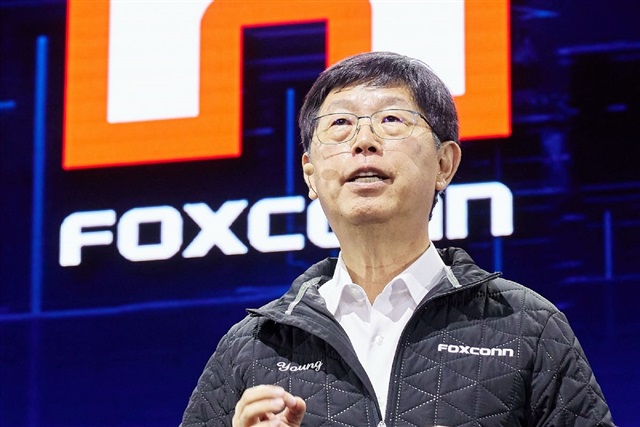
La Nuova Strategia di Sourcing E/E nell'Automotive
Il settore automobilistico globale sta assistendo a un cambiamento significativo nelle sue strategie di approvvigionamento. Le case automobilistiche occidentali, in particolare, stanno intraprendendo un percorso di localizzazione per i componenti elettronici ed elettrici (E/E) dei loro veicoli. Questa mossa strategica è destinata a generare nuove opportunità di business per le aziende taiwanesi specializzate nell'elettronica, posizionandole come attori chiave in una supply chain in evoluzione.
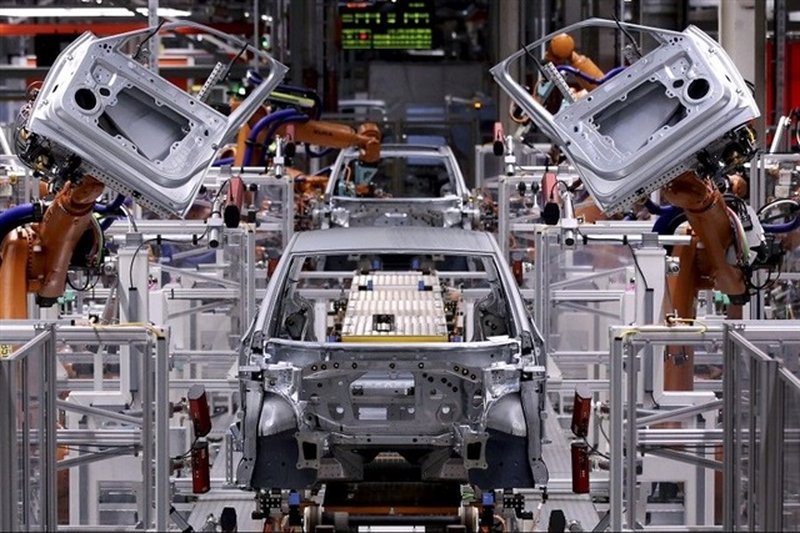
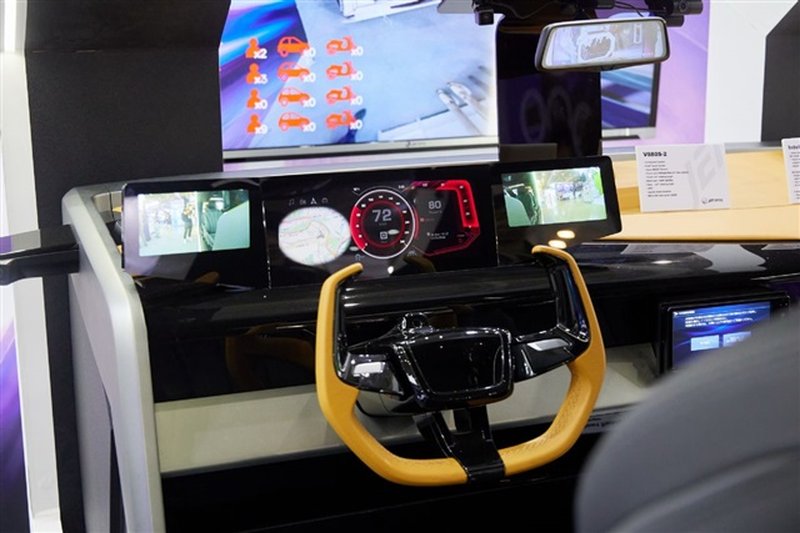
L'architettura E/E rappresenta il "sistema nervoso" dei veicoli moderni, integrando unità di controllo elettronico (ECU), sensori, attuatori e software che gestiscono funzionalità cruciali, dalla sicurezza alla connettività, fino ai sistemi avanzati di assistenza alla guida (ADAS) e alla guida autonoma. La complessità crescente di questi sistemi, spesso con componenti AI integrati, rende la loro supply chain un punto focale per la resilienza e il controllo.
Le Ragioni Dietro la Localizzazione
La spinta verso la localizzazione dell'approvvigionamento E/E non è casuale, ma è il risultato di diverse pressioni di mercato e geopolitiche. La pandemia di COVID-19 ha evidenziato la fragilità delle supply chain globali, in particolare per i semiconduttori, causando interruzioni significative nella produzione automobilistica. Questo ha spinto i costruttori a cercare maggiore controllo e resilienza, riducendo la dipendenza da fornitori unici o da regioni geografiche distanti.
Inoltre, la crescente importanza dei dati veicolari e la necessità di conformità normativa (come il GDPR) spingono verso una maggiore sovranità sui dati e sulla tecnicia sottostante. La localizzazione permette alle case automobilistiche di avere un controllo più diretto sulla proprietà intellettuale, sulla sicurezza dei componenti e sulla capacità di personalizzare le soluzioni in base alle esigenze specifiche del mercato o della regolamentazione locale.
Il Ruolo Cruciale dell'Elettronica Taiwanese
Taiwan si conferma un epicentro globale per la produzione di semiconduttori e componenti elettronici avanzati. Aziende come TSMC, MediaTek e molte altre sono leader mondiali nella fabbricazione di chip, memorie e soluzioni integrate che sono fondamentali per le architetture E/E dei veicoli moderni. La loro esperienza, capacità produttiva e innovazione tecnicica le rendono partner naturali per le case automobilistiche che cercano di localizzare la produzione.
Questo scenario non solo rafforza la posizione di Taiwan nel panorama tecnicico globale, ma evidenzia anche l'interconnessione tra le diverse industrie. La domanda di componenti elettronici avanzati per l'automotive, inclusi quelli per l'Inference AI a bordo veicolo, stimola l'innovazione e la capacità produttiva, con ricadute positive sull'intero ecosistema tecnicico.
Implicazioni per il Controllo e la Sovranità dei Dati
La tendenza alla localizzazione nell'automotive offre un interessante parallelo con le discussioni in corso nel settore dell'intelligenza artificiale, in particolare riguardo al deployment di Large Language Models (LLM) e altre soluzioni AI. Proprio come le case automobilistiche cercano maggiore controllo sulla loro infrastruttura E/E per ragioni di resilienza, sicurezza e sovranità dei dati, le aziende che adottano l'AI si trovano di fronte a decisioni simili.
La scelta tra deployment on-premise, cloud o ibrido per i carichi di lavoro AI è spesso guidata da considerazioni di Total Cost of Ownership (TCO), sovranità dei dati, conformità e necessità di ambienti air-gapped. La capacità di gestire localmente l'hardware, il software e la supply chain dei componenti critici, come le GPU e i sistemi di storage, è fondamentale per garantire controllo e sicurezza. Per chi valuta deployment on-premise, AI-RADAR offre framework analitici su /llm-onpremise per valutare i trade-off tra controllo, costi e performance, riflettendo la stessa logica di gestione strategica che ora vediamo emergere con forza nel settore automobilistico.





💬 Commenti (0)
🔒 Accedi o registrati per commentare gli articoli.
Nessun commento ancora. Sii il primo a commentare!